The Unseen Passport: How Study Abroad Programs Cultivate Intercultural Competence Beyond the Classroom
In an era where globalization blurs geographical boundaries, the concept of International Student Mobility has evolved from a mere academic pursuit to a transformative journey of personal and professional growth. While the allure of earning credits in a foreign university or mastering a new language remains strong, the true value of Study Abroad Programs lies in their ability to foster Intercultural Competence—a skill that transcends textbooks and lecture halls. This competence is not just about adapting to new cultural norms; it’s about developing the empathy, flexibility, and open-mindedness required to thrive in an interconnected world.
The Classroom Without Walls
Traditional education often confines learning to the four walls of a classroom, but Global Citizenship Education demands a broader canvas. When students participate in Semester Abroad programs or Short-Term Study Abroad initiatives, they step into a living laboratory where every interaction—whether with a Host Family Placement, local vendors, or fellow international students—becomes a lesson in cultural nuance. For instance, a student from Japan studying in Spain through the Erasmus Plus Scholarship might initially struggle with the concept of “siesta” or the late-night social culture. However, these challenges are not obstacles; they are opportunities to develop Cross-Cultural Adaptability, a skill that employers and global leaders increasingly prioritize.
The Role of Language in Cultural Exchange
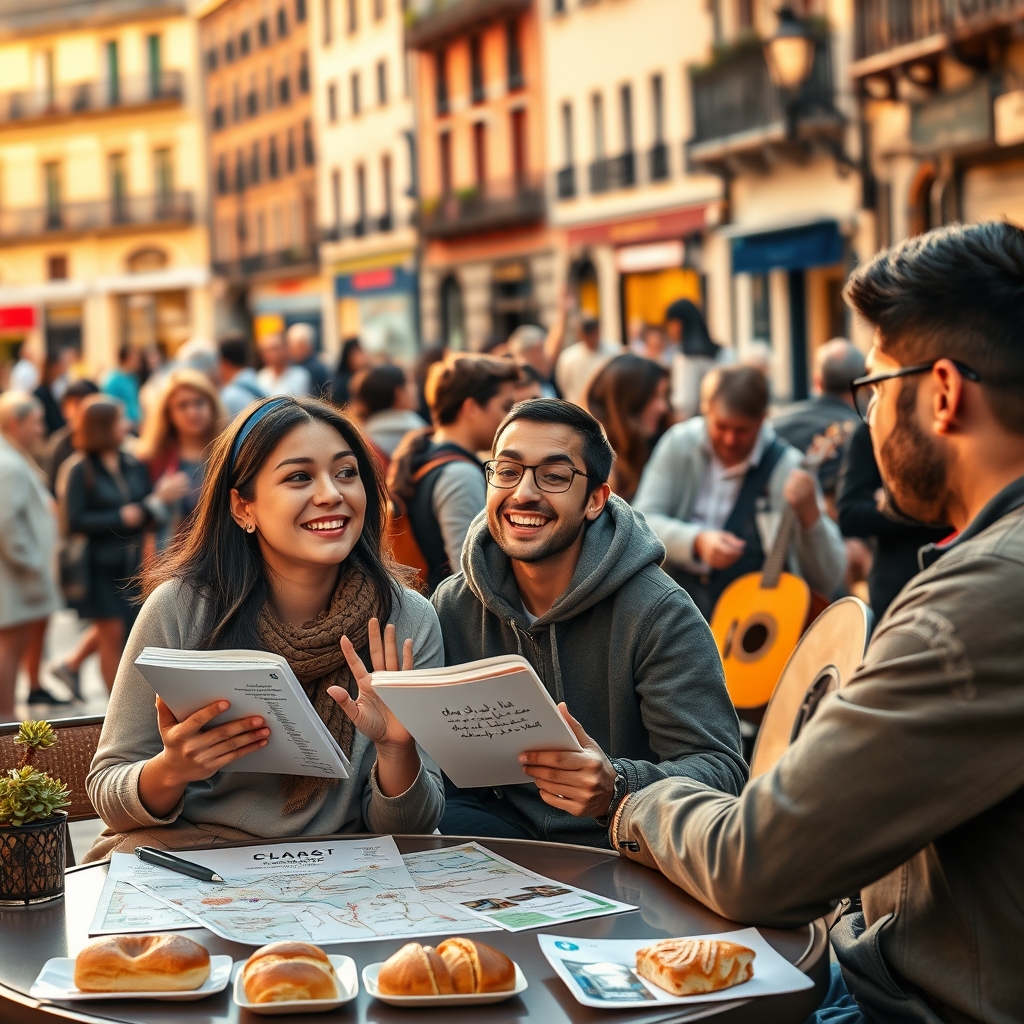
Language is often the first barrier students encounter when studying abroad, but it is also one of the most powerful tools for Cultural Immersion. Language Exchange Programs go beyond grammar and vocabulary; they offer a gateway into the soul of a culture. A student who learns to order coffee in Italian isn’t just memorizing phrases—they’re understanding the unspoken rules of social interaction, the rhythm of daily life, and the values that shape a community. Moreover, achieving Foreign Language Fluency through immersion accelerates this process, as students are forced to navigate real-world scenarios where language is the key to connection. Programs like these don’t just teach words; they teach the art of listening, interpreting, and responding in ways that respect cultural context.
The Invisible Curriculum of Everyday Life
One of the most underrated aspects of studying abroad is the Global Learning Experience that unfolds outside formal education. Living with a host family, for example, exposes students to traditions, rituals, and family dynamics that no textbook could capture. A student from the United States placed with a family in Morocco might discover the significance of communal meals, the role of religion in daily life, or the importance of hospitality—lessons that shape their worldview long after they return home. Similarly, navigating the International Student Visa process or figuring out public transportation in a new city teaches resilience, problem-solving, and independence. These experiences, though not graded, are invaluable in building Intercultural Competence.
From Tourist to Global Citizen
The line between Educational Tourism and meaningful cultural exchange is often thin, but the distinction lies in intention and engagement. Students who approach their time abroad with curiosity and humility are more likely to move beyond the surface-level attractions and engage with the local community. Participating in a Virtual Exchange Program before departure can also prepare students for this shift, offering a taste of cross-cultural collaboration without leaving their home country. When students return, they don’t just bring back souvenirs; they carry a deeper understanding of global issues, a network of international peers, and a renewed sense of their place in the world. The Credit Transfer System ensures their academic progress isn’t disrupted, but the real transfer happens in their mindset.
The Ripple Effect of Intercultural Competence
The impact of study abroad programs extends far beyond the individual. Students who develop Intercultural Competence become bridges between cultures, whether in their future workplaces, communities, or even within their own families. They are more likely to challenge stereotypes, advocate for inclusive policies, and foster environments where diverse perspectives are valued. For example, a student who spends a semester in South Africa might return with a heightened awareness of global inequality, inspiring them to pursue a career in international development or human rights. Similarly, a participant in a Cultural Exchange Program might organize local initiatives to promote cultural understanding, creating a ripple effect that reaches far beyond their immediate circle.
Preparing for the Journey
While the benefits of studying abroad are immense, the journey requires preparation. Pre-Departure Orientation sessions play a crucial role in setting expectations, addressing cultural shock, and providing practical advice on everything from health insurance to local customs. These orientations also emphasize the importance of flexibility—because no amount of preparation can fully anticipate the surprises and challenges of living in a new culture. Additionally, financial considerations, such as Tuition Waivers or scholarships like Erasmus Plus, can make these programs accessible to a broader range of students, ensuring that the opportunity to develop Intercultural Competence isn’t limited to those with financial privilege.
The world is no longer a collection of isolated nations but a tapestry of interconnected stories, traditions, and ideas. Study abroad programs are not just about earning credits or adding a line to a resume; they are about weaving oneself into that tapestry, thread by thread. The lessons learned in a foreign classroom or a host family’s kitchen are the ones that linger, shaping how students see themselves and the world around them. In an age where division often dominates headlines, these programs offer a quiet but powerful antidote—one that reminds us of our shared humanity and the endless possibilities that arise when we step beyond our comfort zones.