
Bridging Borders: How Study Abroad Programs Shape Global Citizens of Tomorrow
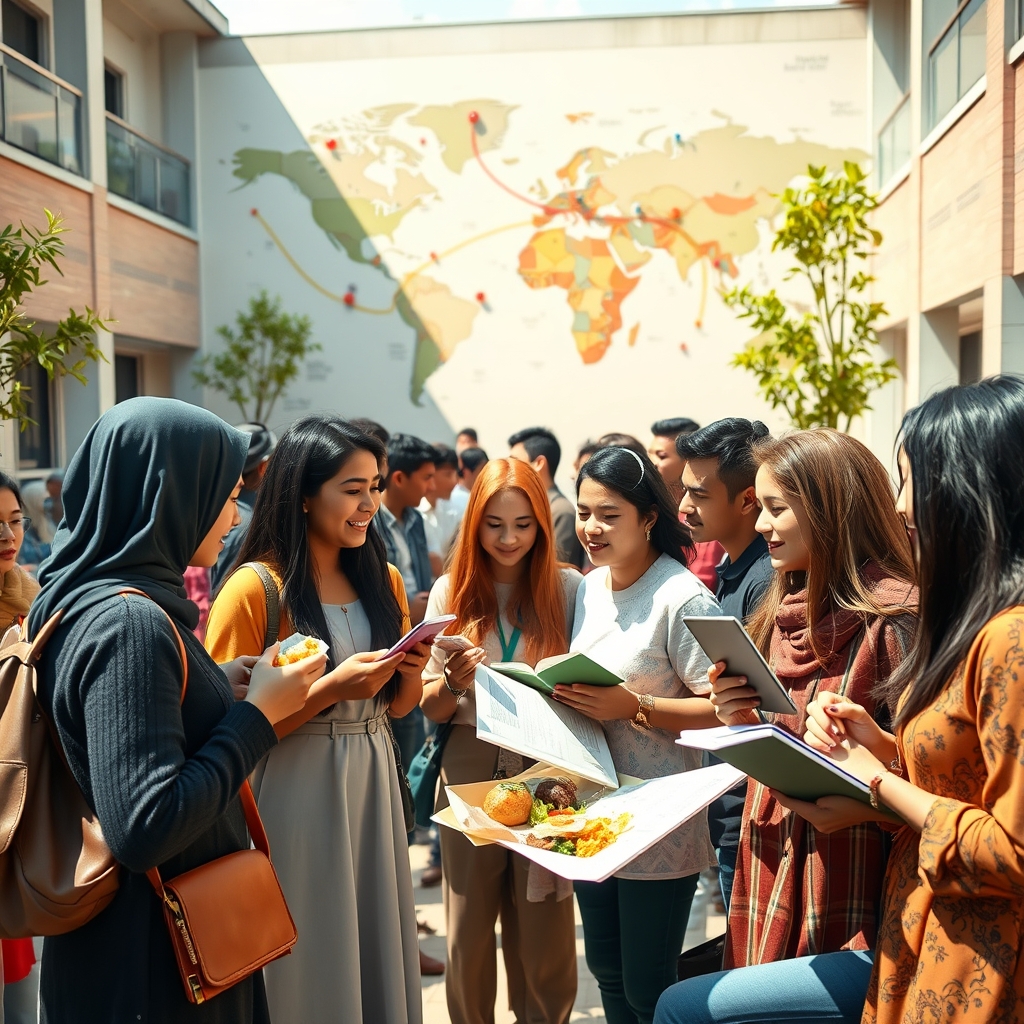
In an increasingly interconnected world, the value of stepping beyond one’s comfort zone and immersing oneself in a foreign culture cannot be overstated. Study abroad programs have long been a cornerstone of higher education, offering students more than just academic credits—they provide a transformative experience that fosters personal growth, intercultural competence, and a deeper understanding of global issues. Whether through a semester abroad, a short-term study program, or a virtual exchange, these initiatives are redefining what it means to be an educated citizen in the 21st century.
The Evolution of International Student Mobility
International student mobility has undergone a remarkable transformation over the past few decades. What was once a privilege reserved for the elite has now become an accessible opportunity for students from diverse backgrounds. Programs like the Erasmus Plus Scholarship have democratized the experience, providing financial support to thousands of students each year. This shift has not only expanded access but also enriched the cultural tapestry of universities worldwide, creating environments where ideas, traditions, and perspectives collide and coalesce.
The rise of educational tourism has further fueled this trend, with students seeking not just academic enrichment but also the chance to explore new landscapes, cuisines, and ways of life. Short-term study abroad programs, often lasting just a few weeks, have made it possible for even those with tight schedules or financial constraints to participate. These condensed experiences, while brief, can be just as impactful, offering a snapshot of life in another country that often leaves a lasting impression.
Cultural Immersion: The Heart of the Experience
At the core of any study abroad program lies the promise of cultural immersion. Living in a foreign country, whether through host family placement or student housing, forces individuals to adapt, communicate, and engage in ways they never thought possible. Language exchange programs, for instance, provide a dual benefit: students improve their foreign language fluency while helping locals practice their own. This reciprocal learning fosters mutual respect and breaks down linguistic barriers that often divide communities.
Intercultural competence—the ability to navigate and appreciate cultural differences—is a skill that transcends academia. It is cultivated through everyday interactions, from navigating public transportation to participating in local festivals. These experiences teach students to approach the world with curiosity rather than judgment, a mindset that is invaluable in both personal and professional spheres. The challenges of cross-cultural adaptability, such as overcoming homesickness or adjusting to different social norms, are not obstacles but opportunities for growth.
The Role of Pre-Departure Orientation
While the allure of studying abroad is undeniable, the journey is not without its challenges. Pre-departure orientation plays a crucial role in preparing students for the realities of life in a new country. These sessions cover everything from visa requirements and credit transfer systems to cultural etiquette and safety tips. By equipping students with the knowledge they need before they board the plane, institutions can mitigate culture shock and ensure a smoother transition.
Moreover, pre-departure programs often include modules on global citizenship education, encouraging students to reflect on their role as ambassadors of their home country. This awareness fosters a sense of responsibility, reminding them that their actions and attitudes can shape perceptions of their culture abroad. It also prepares them to engage thoughtfully with global issues, from climate change to social justice, during their time overseas.
Beyond the Classroom: The Global Learning Experience
Study abroad programs are not just about attending lectures in a foreign university; they are about embracing a holistic learning experience. Educational tourism, for example, allows students to explore historical sites, museums, and natural wonders, turning the world into their classroom. A history student in Rome might stand in the ruins of the Colosseum, while a marine biology major in Australia could snorkel in the Great Barrier Reef. These experiences bring textbooks to life, making learning tangible and unforgettable.
Virtual exchange programs have also emerged as a powerful tool, particularly in the wake of the COVID-19 pandemic. While they cannot replicate the physical experience of living abroad, they offer a valuable alternative for those unable to travel. Through online collaborations, students can engage in cross-cultural dialogues, work on international projects, and gain insights into global perspectives without leaving their homes. This accessibility ensures that the benefits of global learning are not limited to those who can afford to travel.
The Long-Term Impact of Studying Abroad
The benefits of study abroad programs extend far beyond the duration of the experience. Alumni of these programs often report increased confidence, adaptability, and problem-solving skills—qualities that are highly sought after in today’s job market. Employers value candidates with international experience, as it demonstrates an ability to thrive in diverse environments and work effectively with people from different backgrounds. Furthermore, the friendships and professional networks formed during these programs can open doors to future opportunities, both at home and abroad.
For many, the most profound impact is the shift in worldview. Living in another country challenges preconceived notions and broadens perspectives, fostering empathy and a deeper appreciation for global interconnectedness. Students return home not just with memories and souvenirs, but with a renewed sense of purpose and a commitment to making the world a more inclusive and understanding place.
As the world continues to grapple with complex challenges that transcend borders, the importance of fostering global citizens has never been clearer. Study abroad programs are more than just an academic pursuit; they are a gateway to a more interconnected and compassionate world. By stepping outside their comfort zones, students not only enrich their own lives but also contribute to a global community where differences are celebrated and common humanity is recognized. The journey may begin with a single step across a border, but its impact can last a lifetime.



