
Beyond Borders: The Transformative Power of Cultural Immersion in Study Abroad
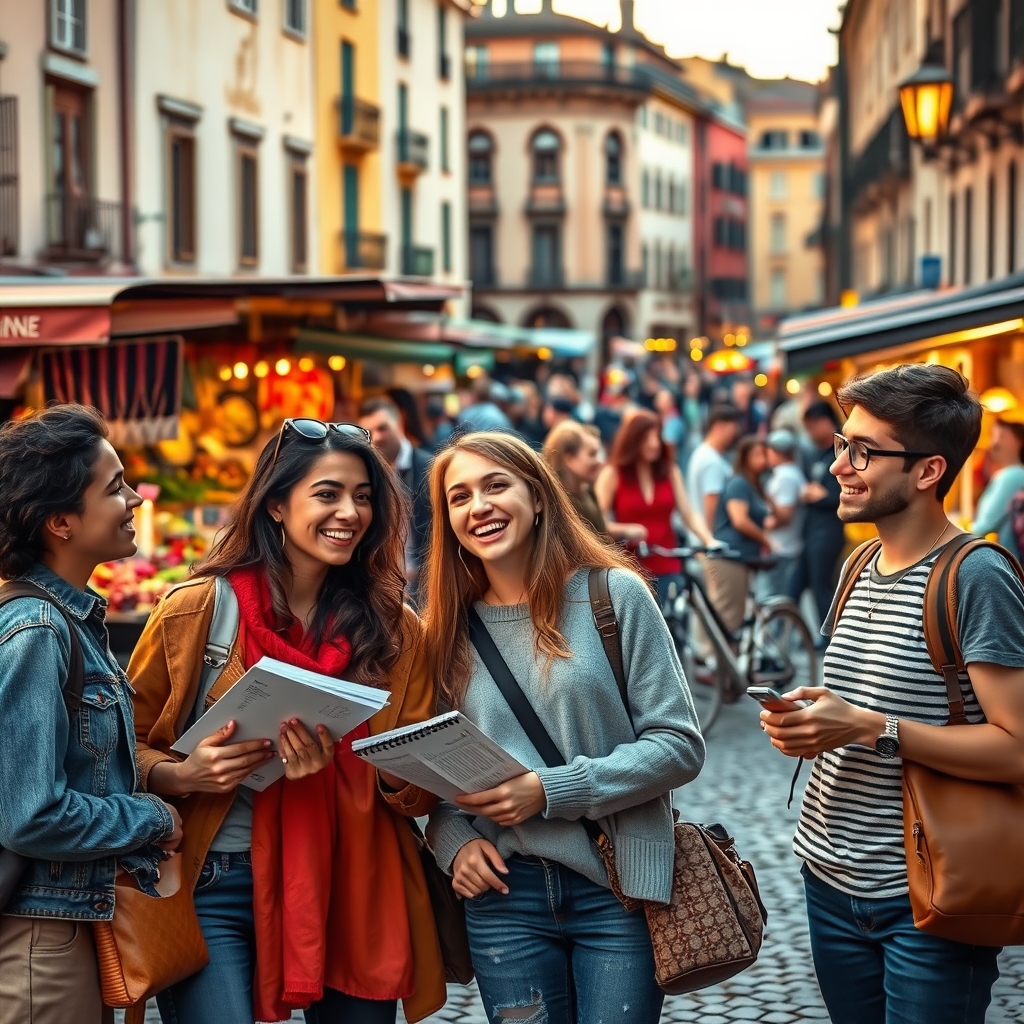
Stepping off the plane into an unfamiliar country, the air thick with the scent of spices you can’t name and the hum of a language you’ve only heard in recordings, is an experience that transcends the pages of any travel brochure. For students embarking on study abroad programs, this moment marks the beginning of a journey far greater than academic enrichment—it’s the first chapter of a story about global citizenship education. The world, with all its complexities and contradictions, becomes both classroom and teacher, offering lessons that no textbook could ever capture.
The Heart of Cultural Exchange: More Than Just a Classroom
At the core of every cultural exchange program lies the promise of transformation. It’s not merely about attending lectures in a foreign university or earning credits toward a degree. True cultural immersion demands engagement—with the people, the traditions, and the unspoken norms that shape daily life. Whether it’s navigating the labyrinthine streets of a historic European city, bargaining at a bustling Asian market, or sharing a meal with a host family placement, these experiences force students out of their comfort zones and into the rich, messy, and often unpredictable tapestry of human connection.
Programs like the Erasmus Plus Scholarship have long championed this philosophy, providing students with the financial support and logistical framework to dive headfirst into new cultures. But the real magic happens outside the structured confines of the program. It’s in the late-night conversations with roommates from different continents, the awkward yet endearing attempts to master a new language, and the moments of frustration that eventually give way to understanding. These are the experiences that cultivate intercultural competence, a skill increasingly vital in our interconnected world.
The Language of Connection: Breaking Barriers One Word at a Time
Language is often the first and most formidable barrier students encounter when studying abroad. Yet, it’s also one of the most rewarding challenges. A language exchange program isn’t just about memorizing vocabulary or mastering grammar—it’s about learning to communicate in the most human sense of the word. It’s about the laughter shared over mispronounced phrases, the relief of finally understanding a joke, and the quiet pride of ordering a meal without pointing at the menu. These small victories build confidence and, more importantly, foster empathy.
For many students, achieving foreign language fluency becomes a secondary goal to the deeper understanding that comes with it. Language is a gateway to culture, a key that unlocks the nuances of humor, history, and social norms. It’s one thing to read about the importance of indirect communication in Japanese culture; it’s another to experience the discomfort of a direct question met with silence, and to learn that this silence is not rudeness but respect. These are the lessons that stay with students long after they’ve forgotten the subjunctive tense.
From Tourist to Global Citizen: The Shift in Perspective
One of the most profound outcomes of a semester abroad is the shift from seeing oneself as a tourist to embracing the identity of a global citizen. Tourists observe from a distance, snapping photos of landmarks and ticking off bucket-list experiences. Global citizens, on the other hand, engage. They ask questions, challenge assumptions, and allow themselves to be changed by the answers. This transformation doesn’t happen overnight, but it begins with the first uncomfortable conversation, the first time you’re lost and have to ask for help, or the first time you realize that your way of doing things isn’t the only—or even the best—way.
This shift is particularly evident in students who participate in short-term study abroad programs. While a full academic year abroad offers depth, even a few weeks of immersion can spark a lasting change in perspective. The intensity of the experience—living with a host family, attending classes in a foreign language, or navigating a new city—compresses the learning curve, forcing students to adapt quickly and reflect deeply. By the time they return home, they often find that their worldview has expanded in ways they never anticipated.
The Logistics of Adventure: Navigating the Practical Side of Study Abroad
Of course, the dream of studying abroad is not without its practical challenges. Securing an international student visa, navigating the credit transfer system, and managing finances can feel overwhelming, especially for first-time travelers. This is where pre-departure orientation becomes invaluable. These sessions, often provided by universities or study abroad organizations, equip students with the tools they need to thrive in their new environment. From understanding cultural norms to managing homesickness, these orientations demystify the process and set students up for success.
For those concerned about the financial burden, options like tuition waivers and scholarships can make study abroad accessible. Many universities offer exchange programs where students pay their home institution’s tuition, eliminating the often-higher costs of international schools. Additionally, programs like Erasmus Plus or government-funded initiatives in various countries provide stipends to offset living expenses. The key is to research early, ask questions, and explore all available resources.
The Digital Frontier: Virtual Exchange in a Post-Pandemic World
The COVID-19 pandemic disrupted traditional study abroad programs, but it also gave rise to innovative alternatives. Virtual exchange programs emerged as a way to bridge the gap, allowing students to engage in cross-cultural learning without leaving their homes. While nothing can fully replicate the experience of living in a foreign country, virtual exchanges offer unique advantages. They provide flexibility, accessibility, and the opportunity to connect with peers from multiple countries simultaneously. For students who may not have the means or ability to travel, these programs democratize access to global learning experiences.
Moreover, virtual exchanges can serve as a stepping stone for students who are hesitant about committing to a full semester abroad. By participating in a short-term virtual program, students can test the waters, build confidence, and develop the cross-cultural adaptability that will serve them well if they choose to study abroad later. The digital realm also allows for creative collaborations, such as joint projects between students from different countries, fostering a sense of global community even in a virtual space.
As the world gradually reopens, the lessons learned from virtual exchanges are being integrated into traditional study abroad programs. Hybrid models, which combine in-person and online learning, are becoming more common, offering students the best of both worlds. These models recognize that educational tourism is evolving, and that the future of global education lies in flexibility and innovation.
The decision to study abroad is often framed as an academic or professional choice, but its impact extends far beyond transcripts and resumes. It’s an invitation to step into the unknown, to challenge preconceived notions, and to return home with a broader, more nuanced understanding of the world. The friendships forged, the languages learned, and the perspectives gained become part of who you are, shaping not just your career but your character. In a world that often feels divided, these experiences remind us of our shared humanity—and that is a lesson worth traveling for.



