
The Digital Revolution in Academic Tutoring: How Online Platforms Are Redefining Supplementary Education
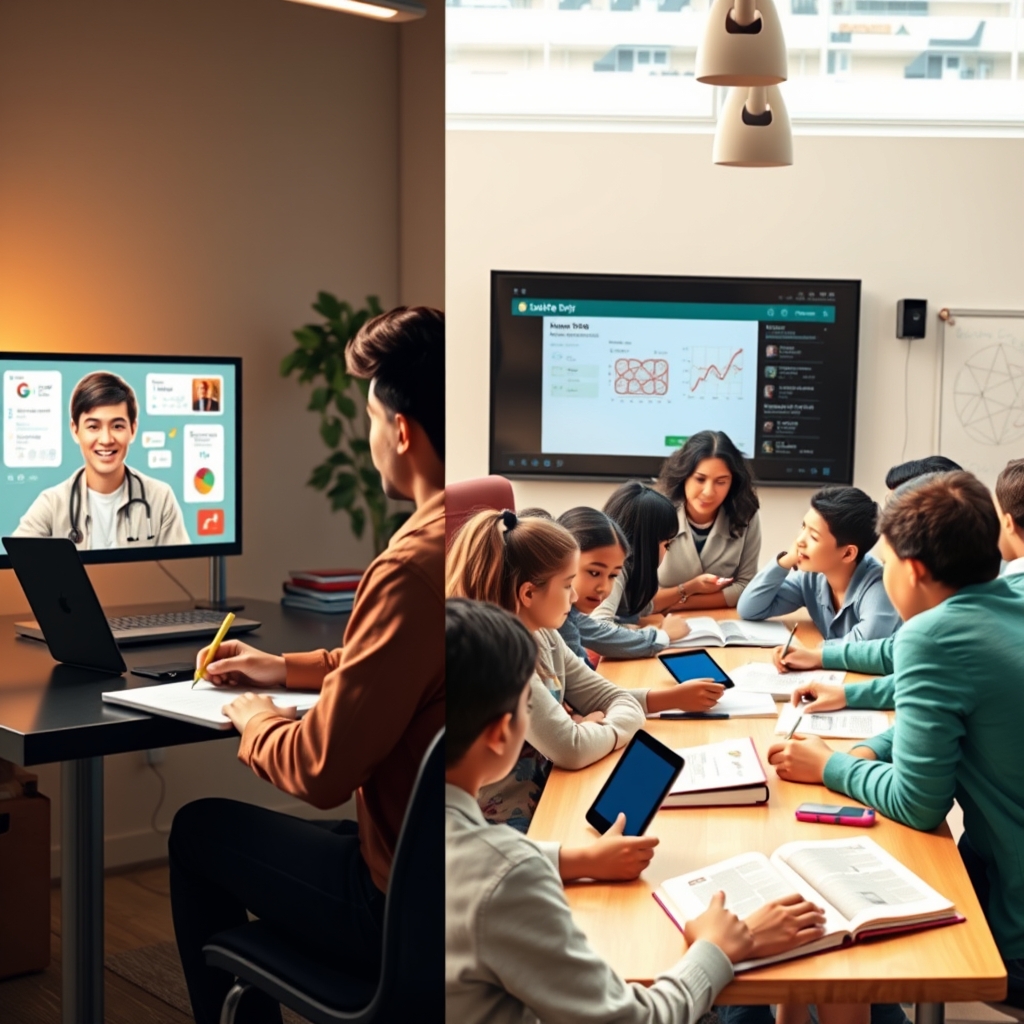
In an era where technology permeates every aspect of our lives, education is no exception. The rise of digital learning platforms has revolutionized the way students access academic support, making supplementary education more accessible, personalized, and effective than ever before. From after-school programs to advanced placement courses, the landscape of academic tutoring is evolving at a rapid pace, and online platforms are at the forefront of this transformation.
The Shift to Online: A New Era of Accessibility
Gone are the days when students had to rely solely on in-person tutoring sessions or remedial classes at their schools. Today, digital learning platforms offer a wealth of resources that can be accessed anytime, anywhere. This shift has democratized education, breaking down geographical and financial barriers that once limited access to quality academic support. Whether it’s homework help, test preparation, or skill development courses, students can now find the assistance they need with just a few clicks.
Online tutoring platforms like Khan Academy, Chegg Tutors, and Tutor.com have become household names, providing students with instant access to expert educators. These platforms offer a range of services, from one-on-one private tutoring to peer tutoring and group study sessions. The flexibility of online tutoring means that students can schedule sessions at their convenience, making it easier to balance academics with extracurricular activities or other commitments.
Personalization: Tailoring Education to Individual Needs
One of the most significant advantages of digital learning platforms is their ability to personalize education. Traditional classroom settings often struggle to cater to the diverse learning needs of students, but online platforms use advanced algorithms and data analytics to tailor content to individual strengths and weaknesses. This level of customization ensures that students receive the targeted support they need to excel.
For example, platforms like Duolingo and Babbel use gamification to make language classes engaging and adaptive, adjusting the difficulty of exercises based on the learner’s performance. Similarly, test preparation platforms like Magoosh and PrepScholar offer personalized study plans that focus on areas where students need the most improvement. This approach not only enhances learning outcomes but also boosts students’ confidence as they see tangible progress.
The Role of Micro-Credentials and Accelerated Learning
As the demand for lifelong learning grows, so does the popularity of micro-credentials and accelerated learning programs. These short, focused courses allow students to acquire new skills or deepen their knowledge in specific subjects without committing to a full degree program. Digital learning platforms have made it easier than ever to earn micro-credentials, which can be a valuable addition to a student’s academic or professional portfolio.
Platforms like Coursera, Udemy, and edX offer a wide range of micro-credentials, from coding bootcamps to advanced placement courses. These programs are designed to be flexible, allowing students to learn at their own pace. For those looking to fast-track their education, accelerated learning programs provide an opportunity to complete courses in a shorter timeframe, making them ideal for students preparing for college or entering the workforce.
Bridging the Gap with Dual Enrollment and Continuing Education
Dual enrollment programs, which allow high school students to take college-level courses, have gained traction in recent years. Digital learning platforms have made these programs more accessible, enabling students to earn college credits while still in high school. This not only gives students a head start on their higher education journey but also helps them save on tuition costs.
Continuing education is another area where digital platforms are making a significant impact. Whether it’s professionals looking to upskill or adults returning to education after a hiatus, online platforms offer a convenient way to pursue further learning. From language classes to skill development courses, these platforms provide a wealth of opportunities for lifelong learners.
The Future of Supplementary Education: A Hybrid Approach
While digital learning platforms have transformed the landscape of academic tutoring, they are not without their challenges. Issues like screen fatigue, lack of social interaction, and the digital divide can hinder the effectiveness of online education. However, the future of supplementary education likely lies in a hybrid approach that combines the best of both worlds—leveraging the accessibility and personalization of digital platforms while maintaining the engagement and community of in-person learning.
Schools and educational institutions are increasingly adopting hybrid models, offering a mix of online and offline learning experiences. For example, after-school programs may incorporate digital tools for homework help while also providing in-person peer tutoring sessions. This blended approach ensures that students receive a well-rounded education that caters to their individual needs.
The digital revolution in academic tutoring is not just a trend—it’s a fundamental shift in how we approach education. By embracing the opportunities offered by digital learning platforms, students can unlock their full potential, gaining the skills and knowledge they need to succeed in an ever-changing world. As technology continues to evolve, so too will the ways in which we learn, making education more dynamic, inclusive, and empowering for all.



