
Unlocking Potential: How Supplementary Education Can Transform Academic Journeys
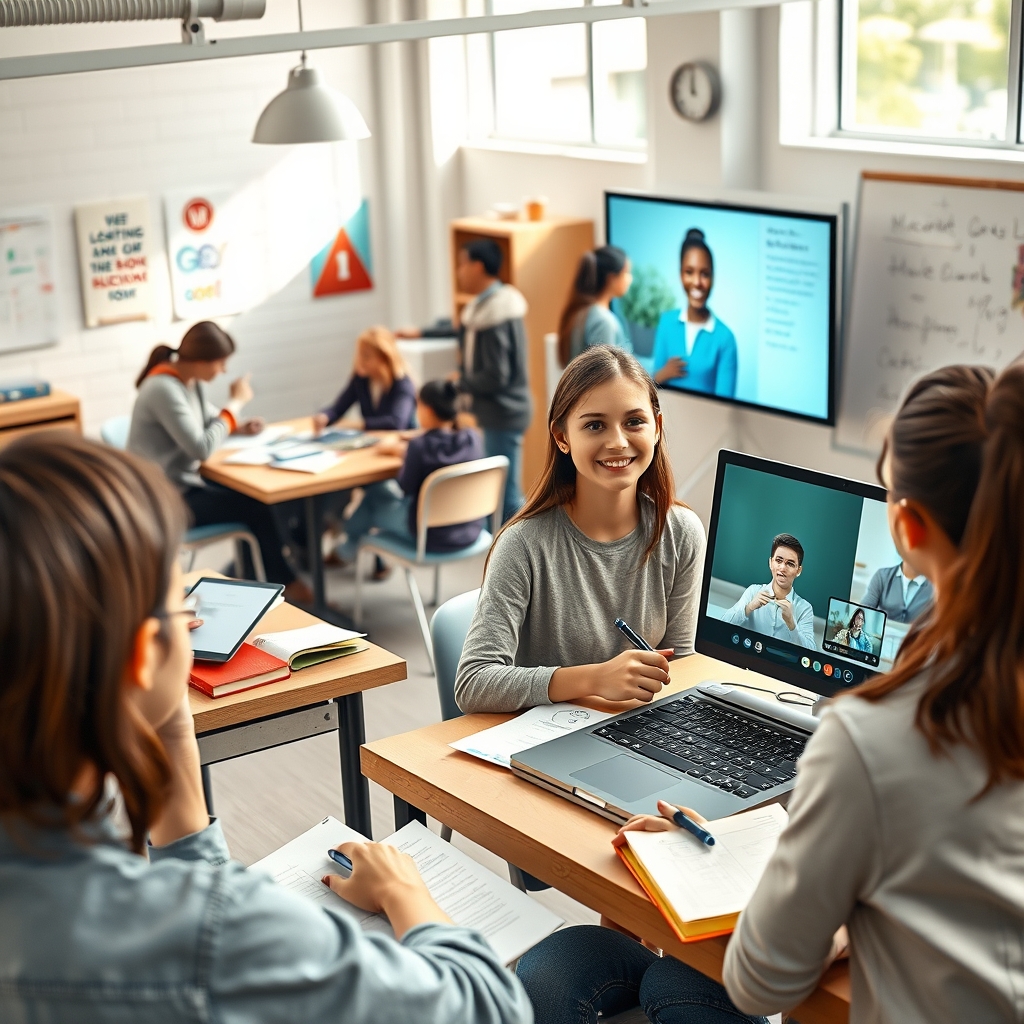
In today’s fast-paced and competitive academic environment, students often find themselves navigating a landscape filled with challenges and opportunities. While traditional classroom settings provide a solid foundation, many learners benefit from additional support to truly thrive. Supplementary education, encompassing a wide range of services from remedial classes to advanced placement courses, has emerged as a powerful tool to help students unlock their full potential. Whether it’s through private tutoring, after-school programs, or digital learning platforms, these resources offer personalized pathways to success.
The Rise of Supplementary Education
Supplementary education has grown significantly over the past decade, driven by the increasing demand for personalized learning experiences. Parents and educators alike recognize that one-size-fits-all approaches often fall short in addressing the unique needs of individual students. Remedial classes, for instance, provide targeted support for those who may be struggling with specific subjects, helping them build confidence and competence. On the other end of the spectrum, enrichment programs and advanced placement courses challenge high-achieving students to push their boundaries and explore new academic horizons.
This shift toward supplementary education is also fueled by the recognition that academic success is not solely about grades. It’s about fostering a love for learning, developing critical thinking skills, and preparing students for the complexities of the modern world. Programs like skill development courses and language classes go beyond traditional academics, equipping learners with practical tools that are invaluable in both their personal and professional lives.
The Role of Private and Peer Tutoring
Private tutoring has long been a cornerstone of supplementary education, offering one-on-one attention that can make a world of difference for students. A private tutor can tailor lessons to a student’s learning style, pace, and specific needs, creating an environment where questions are encouraged and concepts are thoroughly understood. This personalized approach is particularly beneficial for students who may feel overlooked in larger classroom settings or those who need extra help to keep up with their peers.
Peer tutoring, on the other hand, offers a unique dynamic where students learn from one another. This method not only reinforces the tutor’s own understanding of the material but also fosters a sense of community and collaboration. Peer tutoring can be especially effective in subjects like math or science, where explaining concepts to others can deepen one’s own comprehension. Additionally, the relatability of a peer tutor can make the learning process less intimidating and more engaging for students.
Digital Learning Platforms: The Future of Supplementary Education
The advent of digital learning platforms has revolutionized the way students access supplementary education. Online tutoring, for example, breaks down geographical barriers, allowing students to connect with expert tutors from around the world. These platforms often incorporate interactive tools, such as virtual whiteboards and real-time chat, to create an engaging and immersive learning experience. Homework help services, another popular feature of digital platforms, provide students with instant support when they need it most, ensuring that they don’t get stuck on challenging assignments.
Digital learning platforms also offer flexibility, making it easier for students to fit supplementary education into their busy schedules. Whether it’s a quick review session before a test or a deep dive into a new subject, these platforms provide on-demand access to resources that can adapt to the student’s needs. Furthermore, many platforms use data analytics to track progress and identify areas where students may need additional support, allowing for a more targeted and effective learning experience.
Beyond Academics: The Broader Benefits of Supplementary Education
While the primary goal of supplementary education is often to improve academic performance, its benefits extend far beyond the classroom. After-school programs and extracurricular activities, for instance, provide students with opportunities to explore their interests, develop new skills, and build social connections. These experiences can boost self-esteem, foster creativity, and teach valuable life lessons that are not always covered in traditional academic curricula.
Test preparation courses, another key component of supplementary education, help students develop essential skills such as time management, critical thinking, and problem-solving. These skills are not only crucial for success on standardized tests but also for navigating the challenges of higher education and the workforce. Similarly, summer school and continuing education programs offer students the chance to stay engaged during breaks, preventing learning loss and keeping their minds sharp.
Choosing the Right Supplementary Education Path
With so many options available, selecting the right supplementary education path can feel overwhelming. The key is to identify the student’s specific needs and goals. For example, a student struggling with a particular subject may benefit most from remedial classes or private tutoring, while a high-achieving student looking to challenge themselves might thrive in an enrichment program or advanced placement course. It’s also important to consider the student’s learning style and preferences—some may prefer the structure of in-person classes, while others might thrive in the flexibility of online tutoring.
Parents and educators should also look for programs that offer a holistic approach to learning. Supplementary education should not be solely about improving grades but about fostering a lifelong love for learning and equipping students with the skills they need to succeed in all areas of life. Whether it’s through dual enrollment programs that allow high school students to earn college credits or micro-credentials that provide specialized training, the right supplementary education path can open doors to new opportunities and experiences.
As the educational landscape continues to evolve, supplementary education will play an increasingly vital role in shaping the academic journeys of students. By providing personalized support, fostering skill development, and offering opportunities for growth, these programs empower learners to overcome challenges and achieve their full potential. The journey to academic success is not always a straight path, but with the right tools and resources, every student can find their way to a brighter future. The key is to embrace the possibilities that supplementary education offers and to recognize that learning is a lifelong adventure, filled with endless opportunities for discovery and growth.



