
Unlocking Potential: How Supplementary Education Shapes Future Success
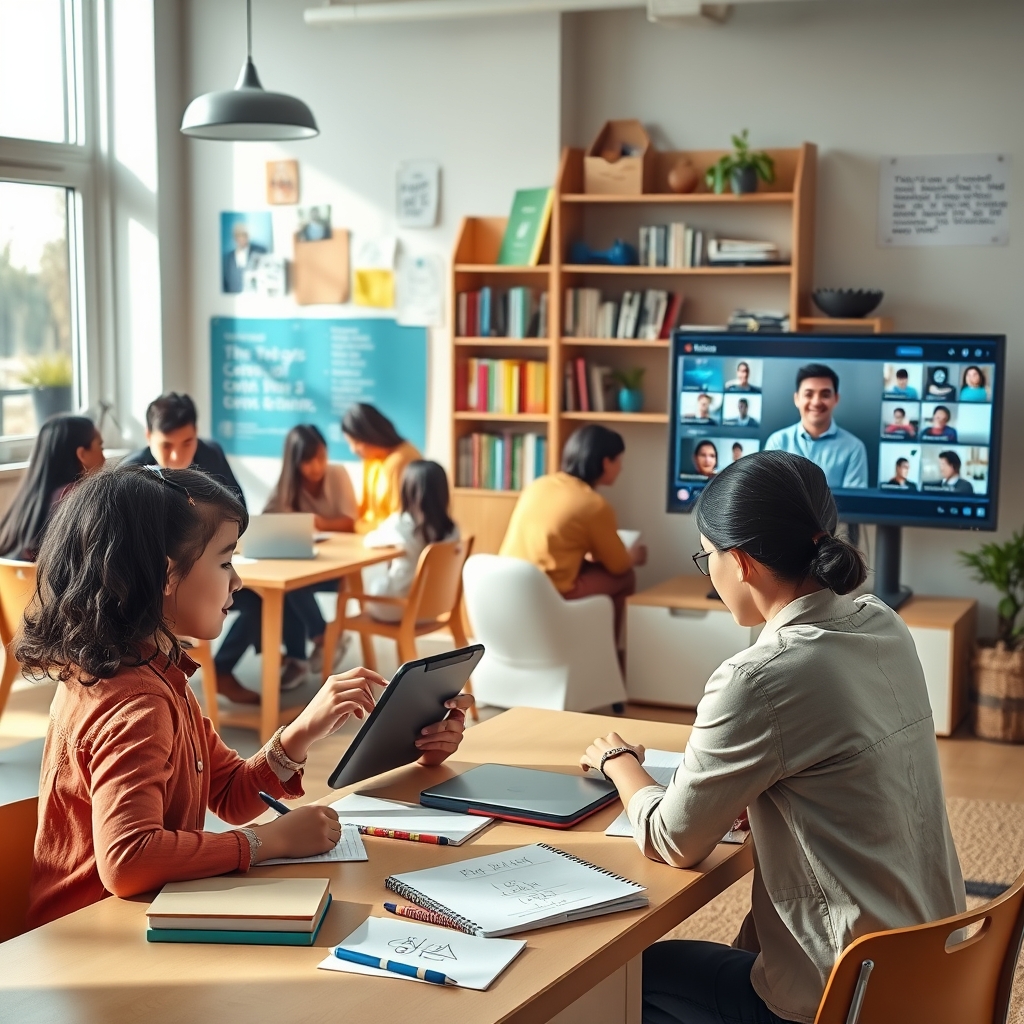
In today’s fast-paced and competitive academic environment, students often seek additional support to excel beyond the traditional classroom setting. Supplementary education has emerged as a powerful tool to bridge gaps, reinforce learning, and unlock hidden potential. From remedial classes to advanced placement courses, these programs offer tailored solutions to meet diverse learning needs, ensuring no student is left behind.
The Rise of Academic Tutoring and Its Impact
Academic tutoring has evolved from a niche service to a mainstream necessity. Whether through private tutoring sessions or structured after-school programs, students receive personalized attention that addresses their unique challenges. Research shows that one-on-one tutoring can significantly improve comprehension, boost confidence, and enhance performance in standardized tests. For many families, investing in a tutor is not just about fixing academic struggles—it’s about giving their children a competitive edge.
Private tutoring, in particular, offers flexibility and customization. Tutors can adapt their teaching methods to suit a student’s learning style, whether visual, auditory, or kinesthetic. This personalized approach ensures that complex concepts are broken down into digestible parts, making learning more engaging and effective. Moreover, tutors often serve as mentors, guiding students not only academically but also in developing essential life skills like time management and critical thinking.
Beyond the Classroom: The Role of Extracurricular and Enrichment Programs
Supplementary education isn’t limited to academics—it also encompasses extracurricular activities and enrichment programs that foster holistic development. These programs, ranging from language classes to skill development courses, provide students with opportunities to explore their passions and discover new interests. For instance, a student struggling in math might find their confidence soaring in a robotics club, where hands-on learning reignites their enthusiasm for problem-solving.
Enrichment programs also play a crucial role in preparing students for future challenges. Advanced Placement (AP) courses and dual enrollment options allow high school students to earn college credits, giving them a head start in higher education. Similarly, micro-credentials and continuing education courses enable learners of all ages to acquire specialized skills, making them more adaptable in an ever-changing job market. These programs are not just about academic achievement; they’re about equipping students with the tools they need to thrive in life.
The Digital Revolution: Online Tutoring and Digital Learning Platforms
The advent of technology has revolutionized supplementary education, making it more accessible than ever before. Online tutoring platforms connect students with expert instructors from around the world, breaking down geographical barriers and offering unparalleled convenience. Whether it’s homework help, test preparation, or language classes, digital learning platforms provide interactive and engaging resources that cater to diverse learning needs.
Digital learning platforms also leverage adaptive technologies to create personalized learning experiences. These platforms use algorithms to identify a student’s strengths and weaknesses, tailoring lessons to address specific areas of improvement. For example, a student preparing for the SAT might use an online platform that adjusts the difficulty of practice questions based on their performance, ensuring they are constantly challenged but not overwhelmed. This level of customization was unimaginable just a decade ago, yet today, it’s transforming the way students learn.
Peer Tutoring and Collaborative Learning
While professional tutoring is invaluable, peer tutoring offers a unique and often underrated form of support. Students teaching students fosters a collaborative learning environment where both the tutor and the tutee benefit. Peer tutors reinforce their own knowledge by explaining concepts to others, while tutees often feel more comfortable asking questions in a less formal setting. This mutual exchange of ideas can lead to deeper understanding and stronger academic performance for everyone involved.
Schools and community centers are increasingly recognizing the benefits of peer tutoring programs. These initiatives not only improve academic outcomes but also build a sense of community and camaraderie among students. When learners support each other, the entire educational ecosystem becomes more inclusive and empowering.
Preparing for the Future: Summer School and Accelerated Learning
For students looking to get ahead or catch up, summer school and accelerated learning programs offer a focused and intensive approach to education. These programs are designed to compress learning into shorter timeframes, allowing students to master subjects at their own pace. Whether it’s retaking a failed course or diving into advanced material, summer school provides a structured environment where students can make significant progress without the distractions of a regular school year.
Accelerated learning programs are particularly beneficial for gifted students who crave intellectual stimulation. These programs challenge students to think critically and creatively, pushing them beyond the standard curriculum. By engaging with advanced material, students develop a deeper appreciation for learning and are better prepared for the rigors of college and beyond. Additionally, these programs often introduce students to like-minded peers, fostering a sense of belonging and motivation.
Supplementary education is no longer a luxury—it’s a necessity in a world where academic success is closely tied to future opportunities. Whether through private tutoring, online platforms, or enrichment programs, these resources provide students with the support they need to overcome challenges and achieve their goals. As education continues to evolve, the tools and strategies offered by supplementary education will play an increasingly vital role in shaping the leaders, innovators, and thinkers of tomorrow. The key lies in recognizing that every student has unique potential, and with the right guidance, that potential can be unlocked in ways that transform not just their academic journey, but their entire lives.



