
Unlocking the World: How Study Abroad Programs Shape Global Citizens
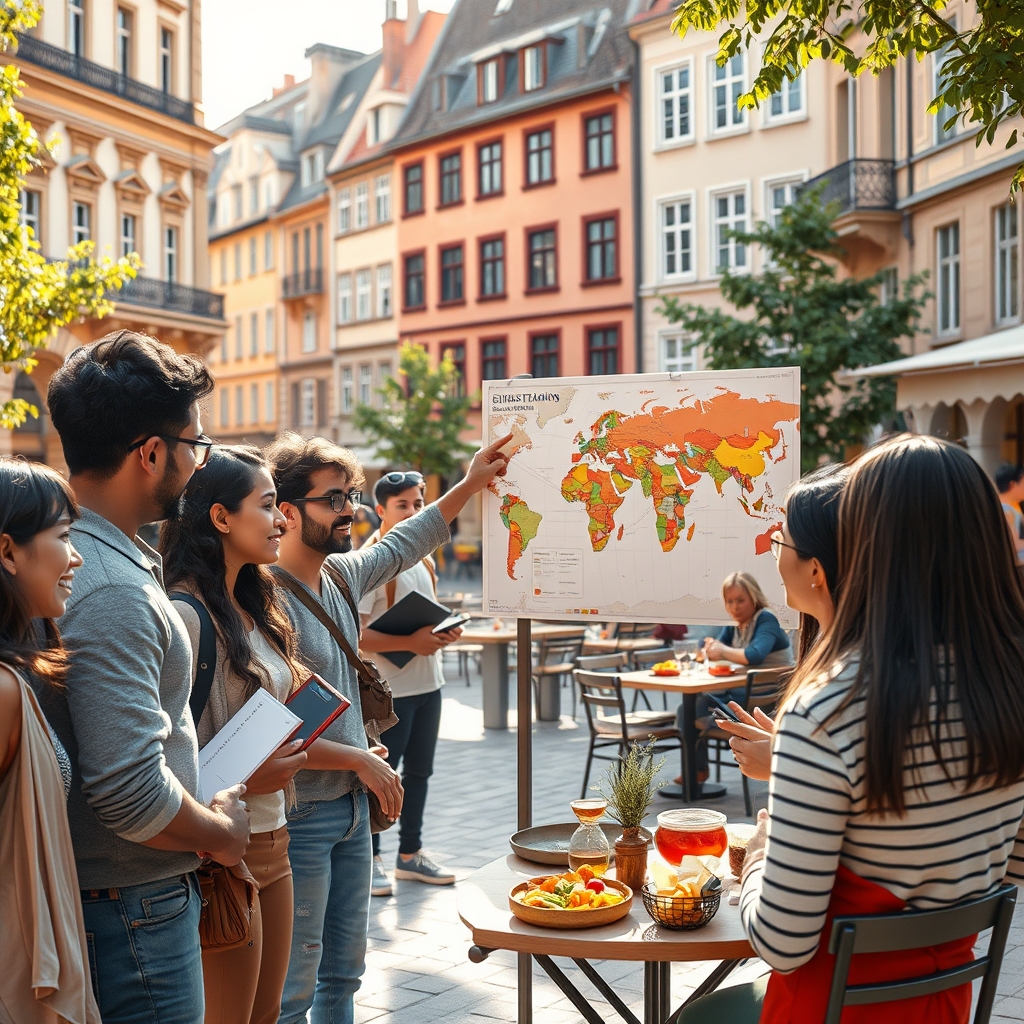
In an increasingly interconnected world, the boundaries that once defined education, culture, and personal growth are rapidly dissolving. Study abroad programs have emerged as a transformative force, offering students more than just academic credits—they provide a gateway to becoming true global citizens. These experiences are not merely about earning a degree in a foreign country; they are about embracing the unknown, challenging preconceived notions, and developing a deeper understanding of the world and one’s place within it.
The Rise of International Student Mobility
The concept of studying abroad is far from new, but its significance has grown exponentially in recent decades. According to the Institute of International Education, over 6 million students pursued higher education outside their home countries in 2023, a number that continues to rise. This surge in international student mobility reflects a broader shift in how education is perceived: as a dynamic, borderless experience that prepares individuals for a globalized workforce.
Programs like the Erasmus Plus Scholarship have played a pivotal role in democratizing study abroad opportunities. By offering financial support and streamlined credit transfer systems, initiatives like these make it possible for students from diverse backgrounds to participate in semester abroad programs without the burden of prohibitive costs. The result? A more inclusive and accessible pathway to global learning.
Beyond the Classroom: The Power of Cultural Immersion
While academic enrichment is a cornerstone of study abroad programs, the most profound lessons often occur outside the classroom. Cultural immersion is where the magic happens—where students trade textbooks for real-world interactions, and theory for lived experience. Living with a host family, for instance, offers an unparalleled opportunity to absorb local customs, traditions, and daily rhythms. It’s one thing to read about a culture; it’s another to share meals, celebrate holidays, and navigate everyday life alongside its people.
Language exchange programs further deepen this immersion. Struggling to order coffee in a new language or engaging in a halting conversation with a local shopkeeper might seem trivial, but these moments are where foreign language fluency is built. More importantly, they foster intercultural competence—the ability to communicate and collaborate effectively across cultural divides. This skill is not just valuable; it’s essential in a world where professional and personal networks span continents.
The Role of Pre-Departure Orientation
Embarking on a study abroad journey can be as daunting as it is exciting. The unfamiliarity of a new country, the logistics of securing an international student visa, and the emotional challenge of leaving behind the comforts of home can overwhelm even the most adventurous spirits. This is where pre-departure orientation becomes a lifeline. These sessions equip students with practical tools—from navigating public transportation to understanding cultural norms—and address the emotional aspects of the transition, such as homesickness and culture shock.
Moreover, pre-departure programs often include modules on cross-cultural adaptability, helping students develop resilience and flexibility. These skills are not just useful for the duration of their stay abroad; they are lifelong assets that enhance personal and professional growth long after the program ends.
From Short-Term Stays to Virtual Exchanges: Expanding Horizons
Not every student can commit to a full semester or year abroad, but that doesn’t mean they should miss out on global learning experiences. Short-term study abroad programs, ranging from a few weeks to a couple of months, offer a condensed yet impactful alternative. These programs often focus on specific themes, such as sustainability, social justice, or language acquisition, and provide a taste of cultural immersion without the long-term commitment.
For those unable to travel at all, virtual exchange programs have emerged as a game-changer. Leveraging technology, these programs connect students from different countries through collaborative online projects, discussions, and cultural exchanges. While they lack the physical presence of traditional study abroad, virtual exchanges still foster global citizenship education by promoting empathy, critical thinking, and cross-cultural dialogue. They also make global learning accessible to students who may face financial, physical, or personal barriers to travel.
The Ripple Effect of Global Learning
The benefits of study abroad programs extend far beyond the individual. When students return home, they bring with them a wealth of knowledge, perspectives, and connections that enrich their communities. They become ambassadors of cultural understanding, challenging stereotypes and fostering a more inclusive worldview. Employers, too, recognize the value of these experiences. A survey by the QS Global Employer Survey found that 60% of employers actively seek candidates with international experience, citing their adaptability, problem-solving skills, and global awareness as key assets.
Furthermore, the relationships built during study abroad programs often last a lifetime. Whether it’s a friendship forged with a classmate from another continent or a professional network that spans the globe, these connections create a web of collaboration and mutual understanding that transcends borders. In a world where division and misunderstanding often dominate headlines, such connections are a powerful force for unity.
As the world continues to evolve, so too must our approach to education. Study abroad programs are no longer a luxury reserved for the privileged few; they are a vital component of preparing the next generation for the challenges and opportunities of a globalized society. Whether through a semester abroad, a short-term cultural exchange, or a virtual collaboration, the essence of these experiences lies in their ability to transform. They don’t just change where students learn—they change how they see the world, how they engage with others, and ultimately, how they contribute to shaping a more connected and compassionate future. The journey begins with a single step, but its impact can last a lifetime.



