
Navigating the Global Classroom: The Impact of International Student Mobility
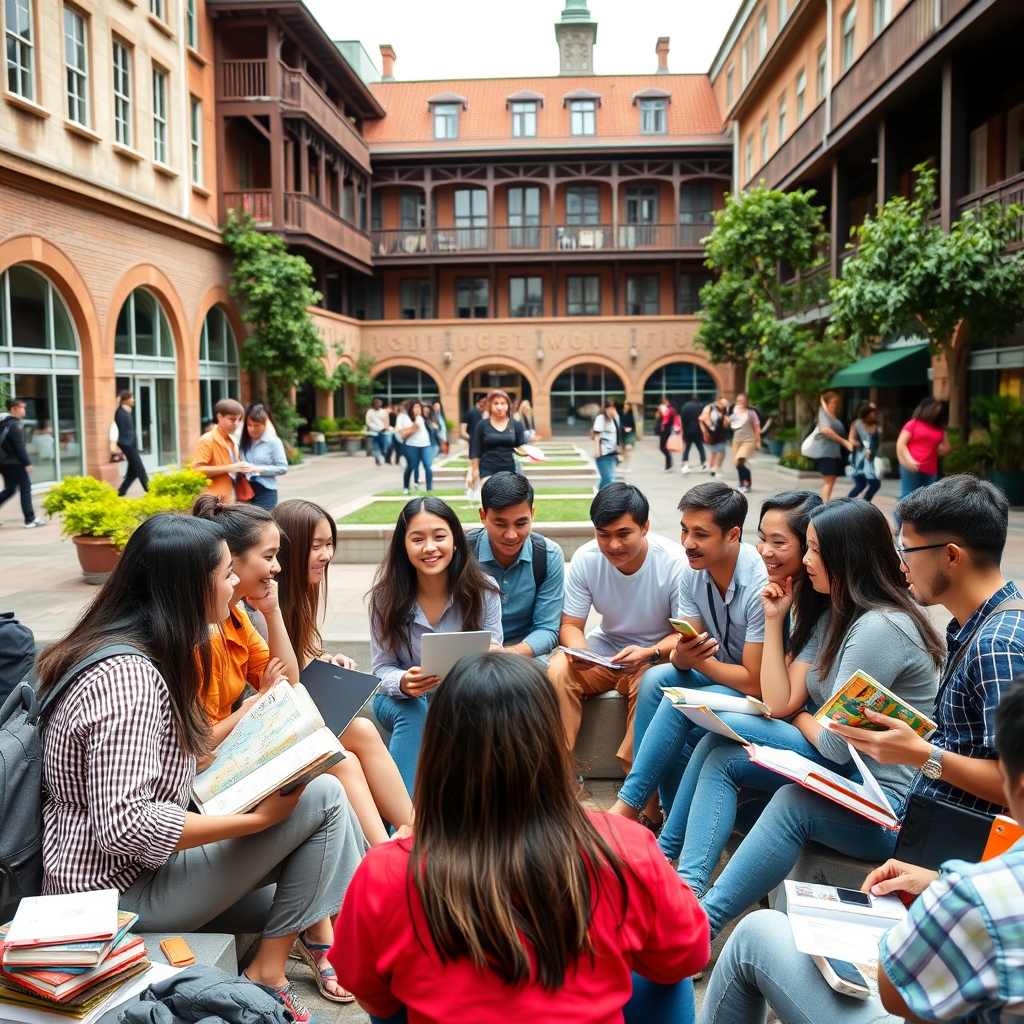
In an era where the world is more interconnected than ever, the concept of international student mobility has gained significant traction. This phenomenon, which involves students crossing borders to pursue education, is not merely about academic pursuits but also about fostering global citizenship and cultural exchange. The Erasmus Plus Scholarship, for instance, has been a cornerstone in promoting such mobility, offering students the opportunity to study abroad and immerse themselves in diverse cultures.
Understanding International Student Mobility
International student mobility refers to the movement of students across national borders for educational purposes. This can range from short-term study abroad programs to full-semester exchanges. The benefits of such mobility are manifold, including enhanced intercultural competence, improved language skills, and a broader global perspective.
The Role of Cultural Exchange Programs
Cultural exchange programs are a vital component of international student mobility. These programs facilitate a deeper understanding of different cultures, fostering mutual respect and tolerance. Host family placements, for example, provide students with an immersive experience, allowing them to live and interact with local families, thereby gaining insights into the host country’s customs and traditions.
Educational Tourism and Global Learning
Educational tourism, another facet of international student mobility, combines travel with education. Students not only gain academic knowledge but also experience the rich cultural heritage of the host country. This dual benefit makes educational tourism a powerful tool for global learning, enhancing students’ cross-cultural adaptability and preparing them for a globalized workforce.
Challenges and Solutions
Despite the numerous benefits, international student mobility is not without its challenges. Issues such as international student visas, tuition waivers, and credit transfer systems can be daunting. However, with proper pre-departure orientation and support systems, these challenges can be effectively managed. Virtual exchange programs, for instance, offer a viable alternative for students who may face visa restrictions or financial constraints.
In conclusion, international student mobility is a transformative experience that goes beyond academic learning. It fosters global citizenship, cultural exchange, and intercultural competence, preparing students for a interconnected world. As we continue to navigate the complexities of global education, it is essential to support and promote initiatives that facilitate such mobility, ensuring that every student has the opportunity to become a global citizen.



