
Transforming Education: The Role of Artificial Intelligence in Shaping the Future of Learning
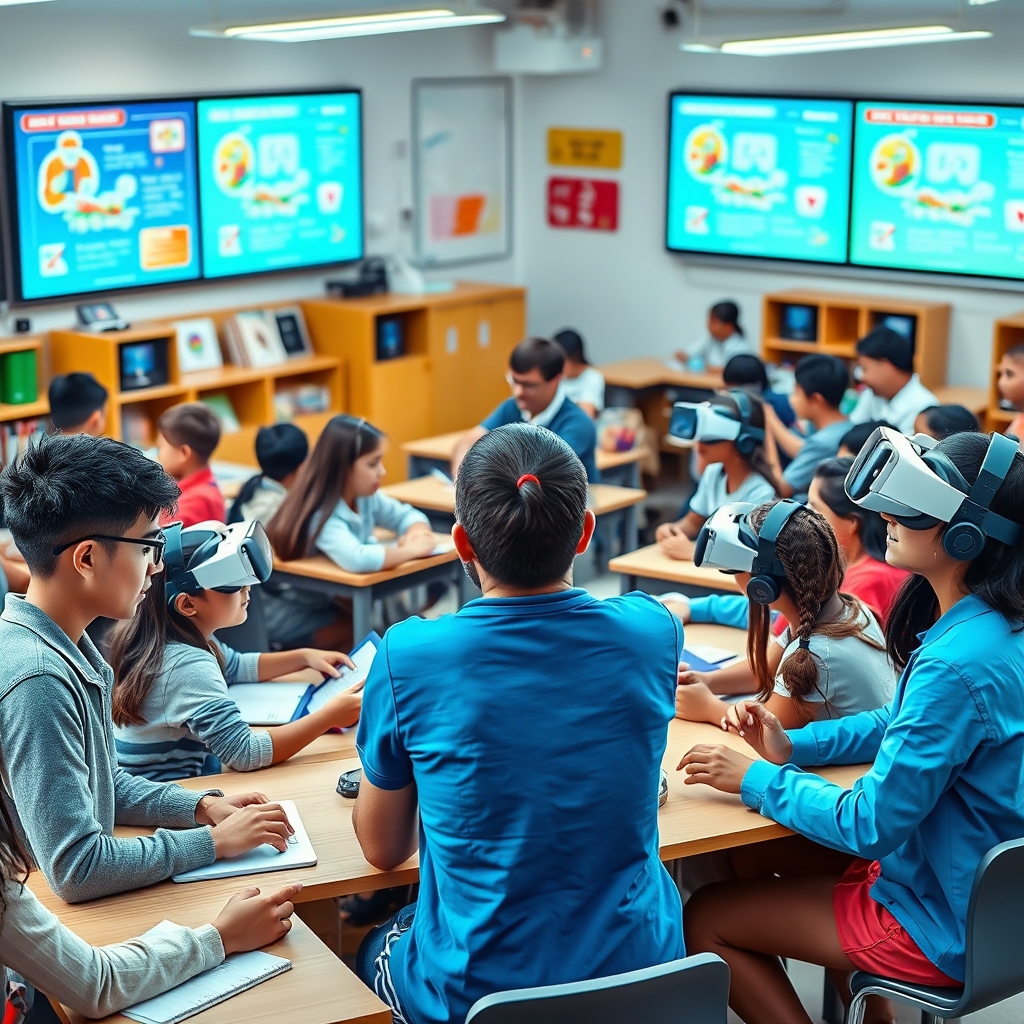
In the rapidly evolving landscape of education, Artificial Intelligence (AI) is emerging as a transformative force, reshaping the way we learn and teach. From personalized learning experiences to intelligent tutoring systems, AI is revolutionizing the educational landscape, making learning more accessible, engaging, and effective for all learners.
Personalized Learning: Tailoring Education to Individual Needs
One of the most significant impacts of AI in education is the ability to provide personalized learning experiences. Traditional classrooms often struggle to cater to the diverse needs of students, but AI-powered platforms can analyze each student’s learning patterns, strengths, and weaknesses to create customized learning paths. This approach not only enhances student engagement but also improves learning outcomes. By leveraging AI, educators can focus on what they do best—teaching—while technology handles the personalized aspects of learning.
Adaptive Learning Platforms
Adaptive learning platforms use AI algorithms to adjust the difficulty and content of lessons based on the student’s performance. These platforms can identify knowledge gaps and provide targeted interventions, ensuring that no student is left behind. For example, platforms like Khan Academy and Duolingo use AI to personalize learning experiences, making education more effective and efficient.
Intelligent Tutoring Systems
Intelligent Tutoring Systems (ITS) are AI-driven tools that provide one-on-one instruction and feedback to students. These systems can simulate human tutors, offering personalized guidance and support. ITS can adapt to the student’s pace of learning, providing additional resources or explanations when needed. This personalized approach not only improves learning outcomes but also boosts student confidence and motivation.
Blended Learning: Combining the Best of Traditional and Digital Education
Blended learning, which combines traditional face-to-face instruction with digital learning experiences, is another area where AI is making a significant impact. AI-powered tools can enhance the blended learning experience by providing personalized content, real-time feedback, and interactive elements. This approach allows students to learn at their own pace while still benefiting from the social and collaborative aspects of traditional classrooms.
Enhanced Engagement
AI can create more engaging and interactive learning experiences by incorporating gamification, virtual reality, and augmented reality. These technologies can make learning more enjoyable and immersive, helping students retain information better. For example, AI-powered gamified learning platforms can turn complex subjects into engaging games, making learning fun and rewarding.
Data-Driven Insights
AI also enables educators to gather and analyze data on student performance, engagement, and learning patterns. This data can provide valuable insights into what works and what doesn’t, allowing educators to make informed decisions and improve their teaching strategies. Learning analytics tools powered by AI can identify trends, predict student performance, and highlight areas for improvement, helping educators create more effective and engaging lessons.
Inclusive Education: Bridging the Digital Divide
AI has the potential to bridge the digital divide and make education more inclusive. By providing accessible and affordable educational tools, AI can ensure that all students, regardless of their background or location, have equal access to quality education. This is particularly important in regions where traditional educational resources are limited.
Accessible Learning Tools
AI-powered tools can be designed to be accessible to students with disabilities. For example, speech recognition software can help students with visual impairments, while text-to-speech tools can assist students with hearing impairments. These tools can level the playing field, ensuring that all students have the opportunity to succeed.
Equitable Opportunities
AI can also provide equitable opportunities for students from diverse backgrounds. By personalizing learning experiences, AI can help students overcome learning barriers and achieve their full potential. Additionally, AI can support lifelong learning, helping students and professionals stay relevant in a rapidly changing world.
In conclusion, AI is transforming education in profound ways, making learning more personalized, engaging, and inclusive. As we continue to harness the power of AI, we can create a more equitable and effective educational system that prepares students for the challenges and opportunities of the future. The future of learning is here, and it’s powered by AI.



