
The Future of Education: Embracing Artificial Intelligence and Personalized Learning
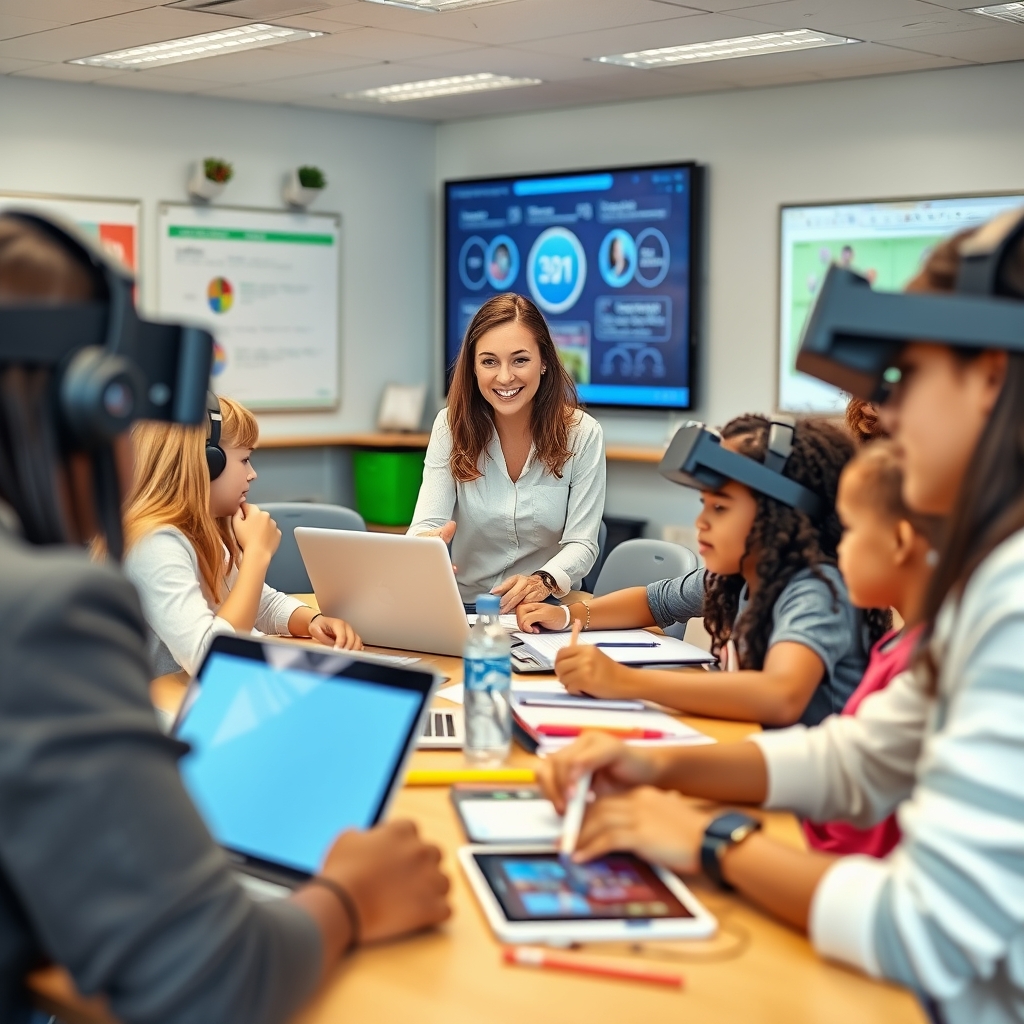
In the rapidly evolving landscape of education, the integration of Artificial Intelligence (AI) is revolutionizing the way we teach and learn. This digital transformation is not just about adopting new technologies; it’s about creating a more inclusive, equitable, and engaging learning environment for all students.
Personalized Learning: Tailoring Education to Individual Needs
One of the most significant benefits of AI in education is its ability to facilitate personalized learning. Traditional classroom settings often struggle to cater to the diverse needs and learning paces of students. AI, however, can analyze individual learning patterns and adapt educational content accordingly. This ensures that each student receives a tailored learning experience, enhancing their understanding and retention of material.
Blended Learning: The Best of Both Worlds
Blended learning, which combines traditional face-to-face instruction with online digital media, is another area where AI is making a substantial impact. By integrating AI-driven tools, educators can create a more dynamic and interactive learning environment. This approach not only makes learning more engaging but also allows for real-time feedback and assessment, helping students to stay on track and achieve their educational goals.
Digital Literacy: Preparing Students for the Future
In today’s digital age, digital literacy is a crucial skill. AI tools are instrumental in teaching students how to navigate and utilize digital resources effectively. From coding and data analysis to understanding the ethical implications of technology, AI is equipping students with the skills they need to thrive in a digital world.
Inclusive Education and Educational Equity
AI is also playing a pivotal role in promoting inclusive education and educational equity. By providing personalized learning paths, AI ensures that students with different abilities and backgrounds can access and benefit from educational content. Intelligent tutoring systems, for example, can offer individualized support, making education more accessible and effective for all students.
Learning Analytics: Data-Driven Insights
Learning analytics is another powerful application of AI in education. By analyzing data on student performance, engagement, and behavior, educators can gain valuable insights into what works and what doesn’t. This data-driven approach allows for continuous improvement in teaching methods and curriculum design, ultimately enhancing the learning experience for students.
Experiential Learning and Critical Thinking
AI is also transforming experiential learning and critical thinking. Through gamified learning and project-based learning, students can engage in hands-on, real-world projects that foster critical thinking and problem-solving skills. AI-driven simulations and virtual labs provide immersive learning experiences, preparing students for future challenges.
As we look to the future, it’s clear that AI will continue to shape the educational landscape. From personalized learning and blended learning to digital literacy and inclusive education, AI is opening up new possibilities for educators and students alike. By embracing these technologies, we can create a more dynamic, engaging, and equitable learning environment that prepares students for the challenges and opportunities of the 21st century.



