
Harnessing the Power of AI in Education: A New Era of Learning
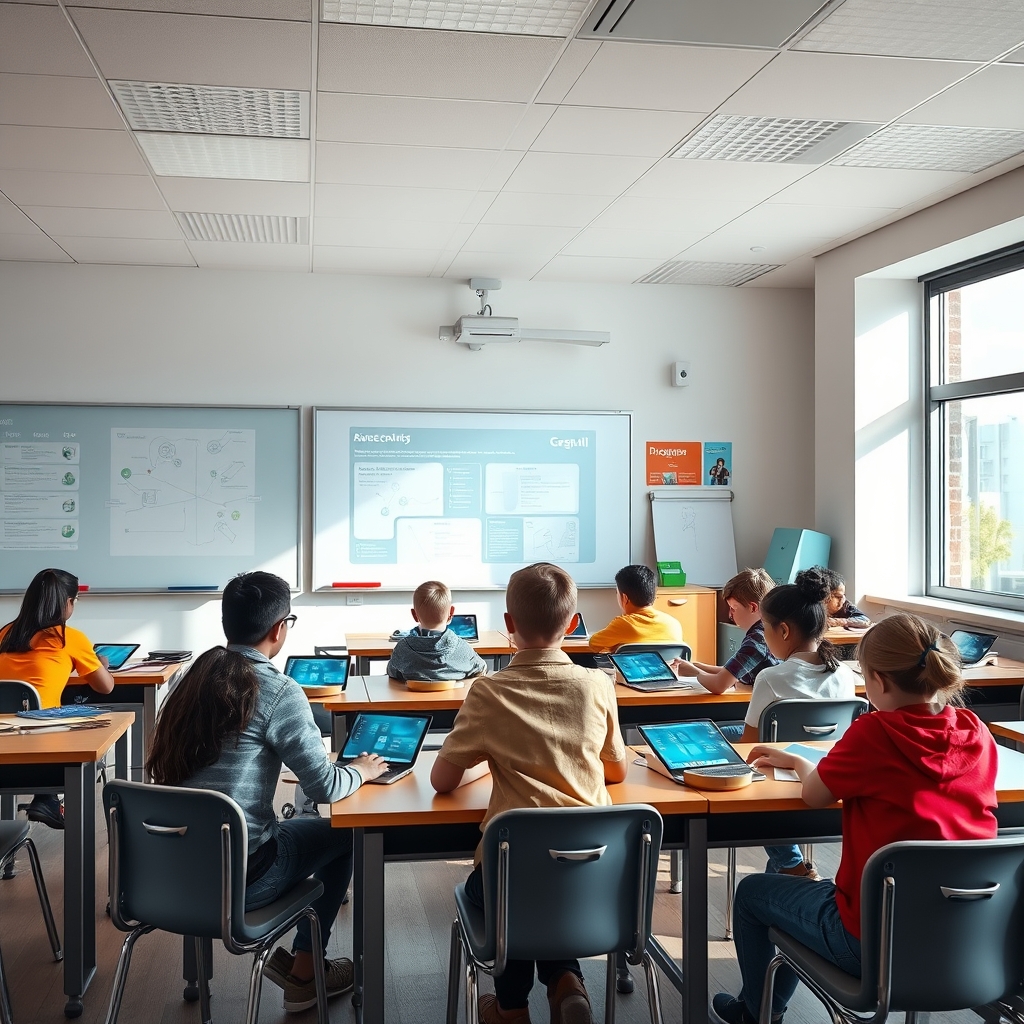
In the rapidly evolving landscape of education, Artificial Intelligence (AI) is emerging as a transformative force, reshaping the way we learn and teach. From personalized learning experiences to intelligent tutoring systems, AI is revolutionizing the educational landscape. This article explores the multifaceted role of AI in education, highlighting its potential to enhance learning outcomes, foster inclusivity, and drive digital transformation.
The Rise of Personalized Learning
One of the most significant contributions of AI in education is the rise of personalized learning. Traditional classrooms often struggle to cater to the diverse needs of students, leading to a one-size-fits-all approach. However, AI-powered platforms can analyze individual learning patterns, preferences, and progress to create tailored educational experiences.
Adaptive Learning Platforms
Adaptive learning platforms use AI algorithms to adjust the content, pace, and difficulty of lessons based on the student’s performance. For instance, platforms like Duolingo and Khan Academy leverage AI to provide personalized language and math lessons, respectively. These platforms not only enhance student engagement but also improve learning outcomes by addressing individual needs.
Intelligent Tutoring Systems
Intelligent Tutoring Systems (ITS) are AI-driven tools that simulate the role of a human tutor. These systems can provide immediate feedback, identify knowledge gaps, and offer customized learning paths. For example, Cognitive Tutor, an ITS developed by Carnegie Learning, has been shown to significantly improve student performance in mathematics. By providing real-time support and guidance, ITS can help students overcome learning challenges and achieve their full potential.
Blended and Hybrid Learning
AI is also playing a crucial role in the evolution of blended and hybrid learning models. These models combine the best of traditional face-to-face instruction with the flexibility and convenience of online learning. AI can enhance the effectiveness of blended and hybrid learning by providing personalized content, tracking student progress, and facilitating communication between students and instructors.
Microlearning and Gamified Learning
Microlearning involves breaking down content into small, manageable chunks that can be easily absorbed and retained. AI can help create and deliver microlearning experiences by analyzing student preferences and learning styles. Additionally, gamified learning, which incorporates game elements into the learning process, can be enhanced by AI. AI algorithms can track student progress, provide real-time feedback, and adapt the learning experience to keep students engaged and motivated.
Learning Analytics
Learning analytics is another area where AI is making a significant impact. By analyzing large datasets of student performance, engagement, and behavior, AI can provide insights into learning patterns and trends. Educators can use these insights to identify at-risk students, tailor interventions, and improve overall learning outcomes. For example, the use of learning analytics in higher education has been shown to enhance student retention and academic success.
Inclusive Education and Educational Equity
AI has the potential to promote inclusive education and address educational equity by providing equal access to high-quality learning experiences for all students. AI-powered tools can help bridge the digital divide by providing affordable and accessible educational resources. Additionally, AI can support students with special needs by offering personalized learning experiences and adaptive technologies.
Digital Literacy and Generative Tools
Digital literacy is a critical skill in today’s digital age, and AI can play a significant role in developing this skill. Generative tools, such as AI-powered writing assistants and coding tutors, can help students develop digital literacy by providing personalized feedback and support. These tools can also help educators create engaging and interactive learning experiences that foster critical thinking and problem-solving skills.
Interdisciplinary Learning and Experiential Learning
AI can also facilitate interdisciplinary learning by connecting students with diverse subjects and perspectives. By analyzing student interests and learning styles, AI can create interdisciplinary learning experiences that encourage collaboration and creativity. Additionally, AI can support experiential learning by providing virtual simulations and real-world scenarios that enhance learning outcomes and prepare students for future challenges.
In conclusion, AI is transforming the educational landscape, offering unprecedented opportunities for personalized learning, inclusive education, and digital transformation. By harnessing the power of AI, educators can create engaging and effective learning experiences that prepare students for the challenges of the future. As AI continues to evolve, it will undoubtedly play an increasingly significant role in shaping the future of education. The integration of AI in education is not just a trend but a necessity, and it is essential for educators, policymakers, and stakeholders to embrace this transformation to ensure that all students have access to high-quality, personalized learning experiences.



