
The Role of AI in Shaping the Future of Hybrid Learning: Balancing Flexibility and Human Connection
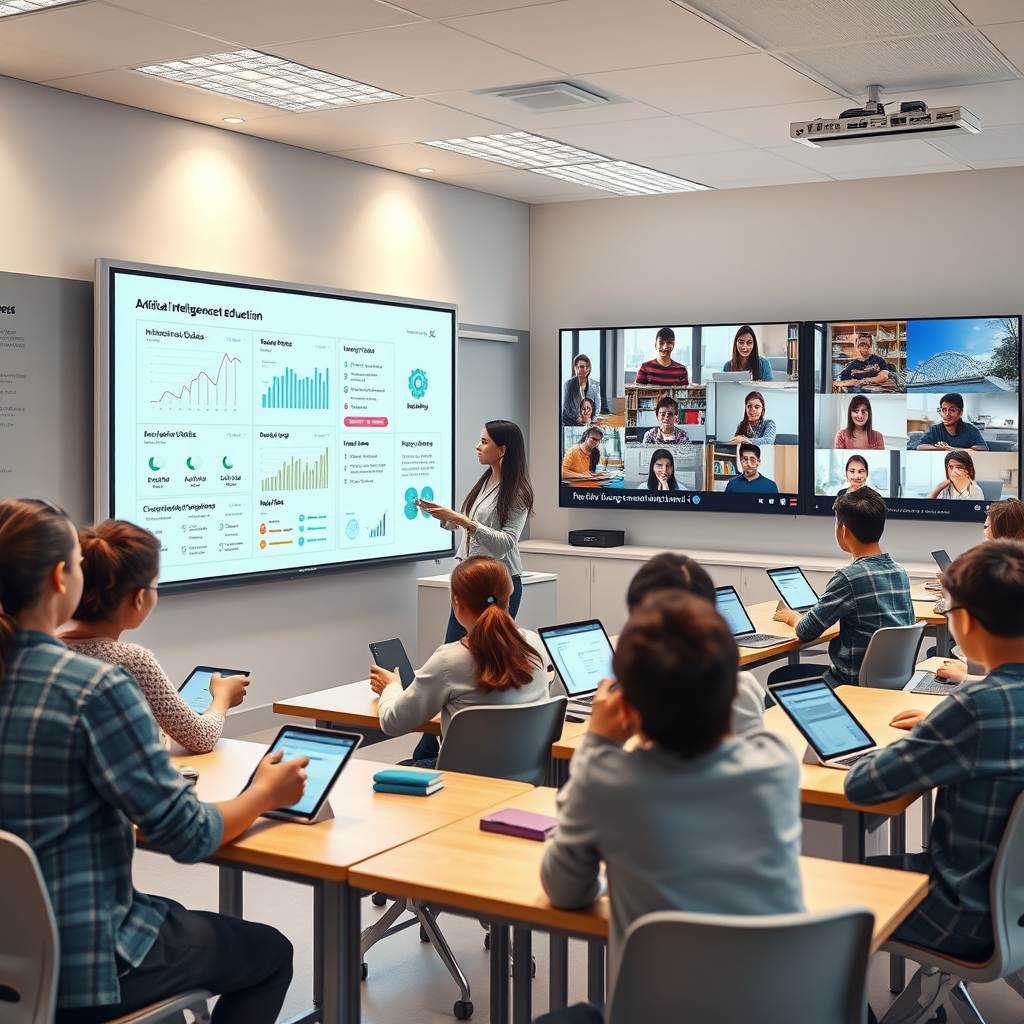
Hybrid learning has emerged as a transformative model in education, blending the best of in-person instruction with the flexibility of digital environments. As educational institutions navigate the complexities of modern learning, artificial intelligence (AI) is playing a pivotal role in enhancing this balance, ensuring that students receive a seamless, engaging, and equitable educational experience. The integration of AI into hybrid learning is not just about technology—it’s about reimagining how education can adapt to the diverse needs of learners while preserving the irreplaceable value of human interaction.
The Evolution of Hybrid Learning
Hybrid learning, often referred to as blended learning, is not a new concept. However, its adoption has accelerated in recent years, driven by advancements in digital infrastructure and the growing demand for flexible education. Unlike traditional classroom settings, hybrid learning allows students to engage with course material both online and offline, catering to different learning styles and schedules. This model has proven particularly valuable in addressing educational equity, as it provides access to high-quality resources for students in remote or underserved communities.
Yet, the challenge lies in ensuring that hybrid learning remains effective and inclusive. Without the right tools, students may struggle with disengagement, lack of personalization, or difficulty navigating digital platforms. This is where AI steps in, offering solutions that enhance the hybrid learning experience while maintaining the human touch that is essential to education.
AI as the Backbone of Personalized Hybrid Learning
One of the most significant advantages of AI in hybrid learning is its ability to personalize education at scale. Intelligent tutoring systems, powered by machine learning algorithms, can analyze a student’s performance in real-time, identifying strengths and areas for improvement. These systems adapt the learning path dynamically, ensuring that each student receives content tailored to their unique needs. For example, if a student excels in mathematics but struggles with reading comprehension, the AI can adjust the curriculum to provide additional support in the latter while challenging them further in the former.
Moreover, AI-driven learning analytics provide educators with deep insights into student progress, enabling them to intervene early when a student is at risk of falling behind. This proactive approach not only improves academic outcomes but also fosters a sense of belonging and support among students, which is crucial in a hybrid environment where physical interaction may be limited.
The Role of Generative Tools in Enhancing Engagement
Generative AI tools, such as AI-powered content creation platforms, are revolutionizing the way educational materials are developed and delivered. These tools can generate interactive lessons, quizzes, and even simulations that make learning more engaging and immersive. For instance, a history lesson can be transformed into an interactive timeline where students explore events in a gamified format, or a science experiment can be simulated in a virtual lab, allowing students to conduct experiments safely and repeatedly.
In hybrid learning, generative tools bridge the gap between online and offline experiences. A teacher can use AI to create a customized lesson plan that students can access both in the classroom and at home, ensuring continuity in their learning journey. This not only enhances engagement but also encourages self-directed learning, a critical skill in today’s fast-paced world.
Fostering Inclusive Education Through AI
Inclusive education is a cornerstone of modern learning, and AI is playing a key role in making it a reality. For students with disabilities, AI-powered tools such as speech-to-text software, real-time transcription services, and adaptive learning platforms can remove barriers to education. For example, a student with dyslexia can benefit from AI-generated audio summaries of written content, while a student with visual impairments can use screen readers enhanced by AI to navigate digital materials more effectively.
AI also supports multilingual education by providing real-time translation and language learning tools. This is particularly valuable in hybrid learning environments where students from diverse linguistic backgrounds may be learning together. By breaking down language barriers, AI ensures that all students have equal access to educational opportunities, regardless of their native language.
The Human Element: Balancing Technology and Connection
While AI offers remarkable capabilities, the human element remains irreplaceable in education. Hybrid learning models must strike a delicate balance between leveraging technology and preserving the personal connections that foster deep learning. AI can handle administrative tasks, personalize content, and provide data-driven insights, but it is the educator who inspires, mentors, and builds relationships with students. The role of the teacher evolves in a hybrid learning environment, shifting from a traditional instructor to a facilitator who guides students through their learning journey.
Educators can use AI to free up time for more meaningful interactions with students. For example, AI can automate grading, generate reports, and even suggest discussion topics, allowing teachers to focus on mentoring and providing individualized feedback. This shift not only enhances the learning experience but also empowers educators to be more effective in their roles.
The Future of Hybrid Learning: A Collaborative Ecosystem
The future of hybrid learning lies in creating a collaborative ecosystem where AI, educators, and students work together to achieve educational goals. AI can serve as a co-pilot, assisting educators in delivering personalized, engaging, and inclusive learning experiences. Meanwhile, students benefit from a flexible and adaptive learning environment that prepares them for the challenges of the 21st century.
As AI continues to evolve, so too will its applications in hybrid learning. Emerging technologies such as virtual reality (VR) and augmented reality (AR) are already being integrated into hybrid models, offering even more immersive and interactive learning experiences. For example, students can take virtual field trips to historical sites, conduct science experiments in a simulated lab, or collaborate with peers from around the world in a shared digital space. These innovations will further blur the lines between online and offline learning, creating a seamless and enriching educational experience.
Hybrid learning, powered by AI, is not just a temporary solution but a fundamental shift in how education is delivered. It offers the flexibility to meet the diverse needs of students while ensuring that no one is left behind. By embracing AI as a tool to enhance—not replace—human connection, educators can create a learning environment that is both innovative and deeply human. The journey toward this future is already underway, and the possibilities are as limitless as the potential of the students it serves.



