
Peer Tutoring and Beyond: How Collaborative Learning is Reshaping Supplementary Education
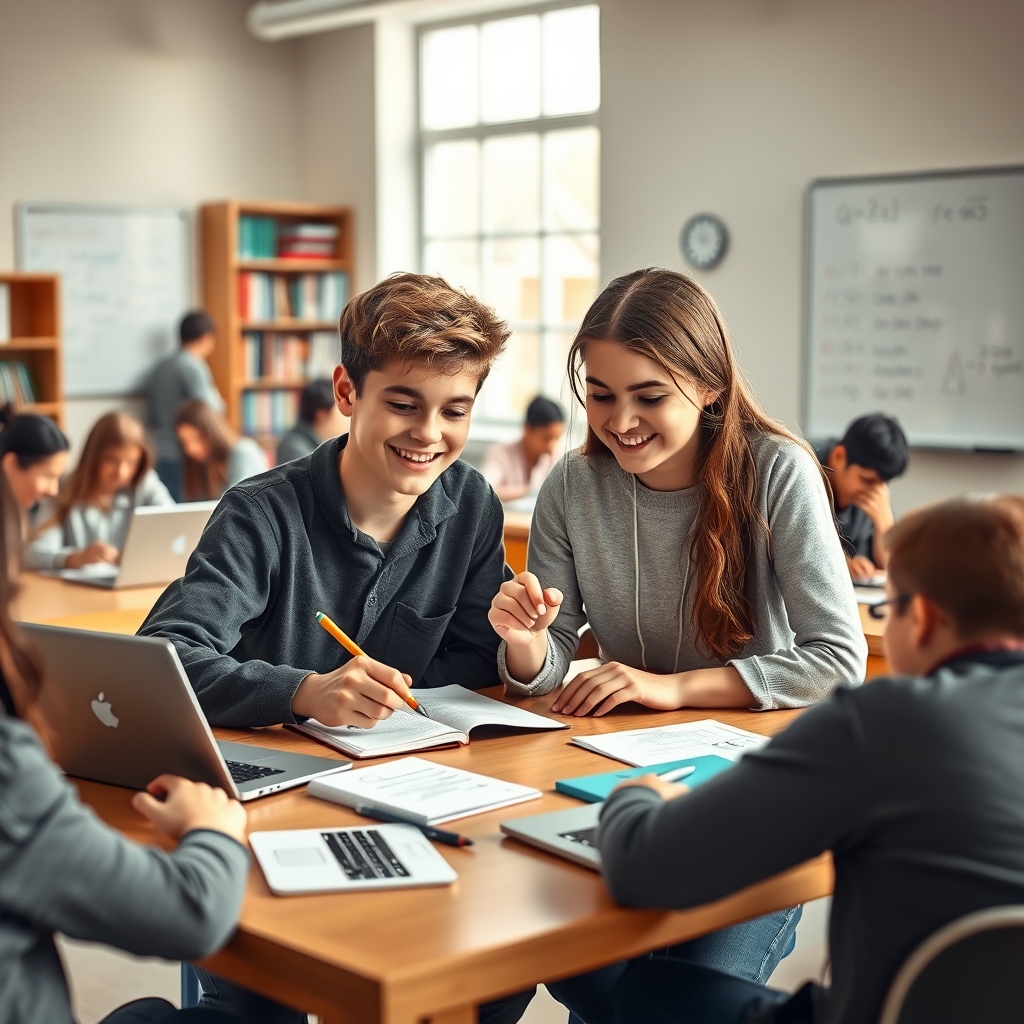
In the ever-evolving landscape of education, the traditional model of one teacher instructing a classroom of students is being complemented—and in some cases, transformed—by innovative approaches to learning. Among these, peer tutoring stands out as a powerful tool that not only enhances academic performance but also fosters a sense of community, collaboration, and mutual growth. As schools and parents increasingly seek supplementary education solutions, peer tutoring is emerging as a cost-effective, scalable, and deeply impactful method to support students in their academic journeys.
The Rise of Peer Tutoring in Modern Education
Peer tutoring is not a new concept, but its resurgence in recent years can be attributed to a growing body of research highlighting its effectiveness. Unlike private tutoring or academic tutoring led by professionals, peer tutoring leverages the power of students helping students. This approach is particularly beneficial in subjects where foundational knowledge is key, such as mathematics, language arts, and science. Studies have shown that students often learn more effectively from peers because they share a similar language, perspective, and level of understanding, which can make complex concepts feel more accessible.
One of the most compelling advantages of peer tutoring is its ability to build confidence. For students who may struggle with traditional classroom settings, the opportunity to learn from a peer—someone who has recently mastered the material—can be less intimidating than seeking help from a teacher or a private tutor. This dynamic not only reinforces the tutor’s understanding of the subject but also empowers the tutee to ask questions freely, fostering a growth mindset.
How Peer Tutoring Fits into the Broader Ecosystem of Supplementary Education
While peer tutoring is a standout strategy, it is just one piece of the larger puzzle of supplementary education. Today’s students have access to a wide array of resources, from after-school programs and enrichment programs to online tutoring platforms and digital learning tools. Peer tutoring can seamlessly integrate into these ecosystems, creating a hybrid model of support that combines the best of human interaction with technological innovation.
For example, many schools now offer structured peer tutoring programs as part of their extracurricular activities. These programs often pair older students with younger ones, creating mentorship opportunities that extend beyond academics. In some cases, peer tutoring is even incorporated into test preparation for standardized exams, where students collaborate to review material, practice problem-solving, and share strategies. This collaborative approach not only improves test scores but also reduces the anxiety and isolation that often accompany high-stakes assessments.
The Role of Technology in Enhancing Peer Tutoring
The digital age has opened up new possibilities for peer tutoring, making it more accessible and flexible than ever before. Online tutoring platforms and digital learning platforms have created virtual spaces where students can connect, regardless of geographical barriers. These platforms often include features like video conferencing, shared whiteboards, and real-time chat, which mimic the interactive nature of in-person tutoring. For students in remote or underserved areas, this technology can be a game-changer, providing access to peer support that might otherwise be unavailable.
Additionally, micro-credentials and skill development courses are increasingly being integrated into peer tutoring programs. For instance, a student who excels in coding might earn a micro-credential for tutoring peers in computer science, which can then be added to their academic portfolio. This not only incentivizes participation but also helps students develop valuable soft skills like communication, leadership, and problem-solving—skills that are highly sought after in today’s job market.
Beyond Academics: The Social and Emotional Benefits of Peer Tutoring
While the academic benefits of peer tutoring are well-documented, its impact on social and emotional development is equally significant. Learning is not just about absorbing information; it’s also about building relationships, developing empathy, and cultivating a sense of belonging. Peer tutoring creates a safe space for students to engage with one another, fostering a culture of collaboration rather than competition. This is particularly important in an era where students often feel pressured to outperform their peers, leading to stress and burnout.
For tutors, the experience of teaching others can be incredibly rewarding. It reinforces their own knowledge, boosts their self-esteem, and provides a sense of purpose. For tutees, the support of a peer can make learning feel less daunting and more enjoyable. This mutual exchange of knowledge and encouragement can have a ripple effect, strengthening the entire school community. In some cases, peer tutoring programs have even been linked to improved school attendance and reduced dropout rates, as students feel more connected to their peers and more invested in their education.
Challenges and Considerations in Implementing Peer Tutoring Programs
Despite its many benefits, peer tutoring is not without its challenges. One of the primary concerns is ensuring that tutors are adequately prepared to teach their peers. Without proper training, tutors may struggle to explain concepts clearly or may inadvertently reinforce misconceptions. To address this, many schools and organizations provide training sessions for peer tutors, covering topics like effective communication, active listening, and strategies for breaking down complex ideas. Some programs even pair tutors with a mentor—often a teacher or experienced tutor—who can offer guidance and support.
Another consideration is the sustainability of peer tutoring programs. For these initiatives to thrive, they require ongoing support from school administrators, teachers, and parents. This includes securing funding, allocating time within the school day for tutoring sessions, and promoting the program to ensure student participation. Additionally, it’s important to create a culture where peer tutoring is seen as a valuable and respected part of the learning process, rather than a last resort for struggling students.
As education continues to evolve, the role of peer tutoring and collaborative learning will only grow in importance. Whether through in-person sessions, online tutoring platforms, or hybrid models, the power of students helping students is undeniable. It’s a reminder that learning is not a solitary endeavor but a shared journey—one where every student has the potential to both teach and be taught. In this way, peer tutoring doesn’t just supplement education; it transforms it, creating a more inclusive, supportive, and dynamic learning environment for all.



