
The Evolution of Digital Literacy: How AI and Generative Tools Are Shaping the Next Generation of Learners
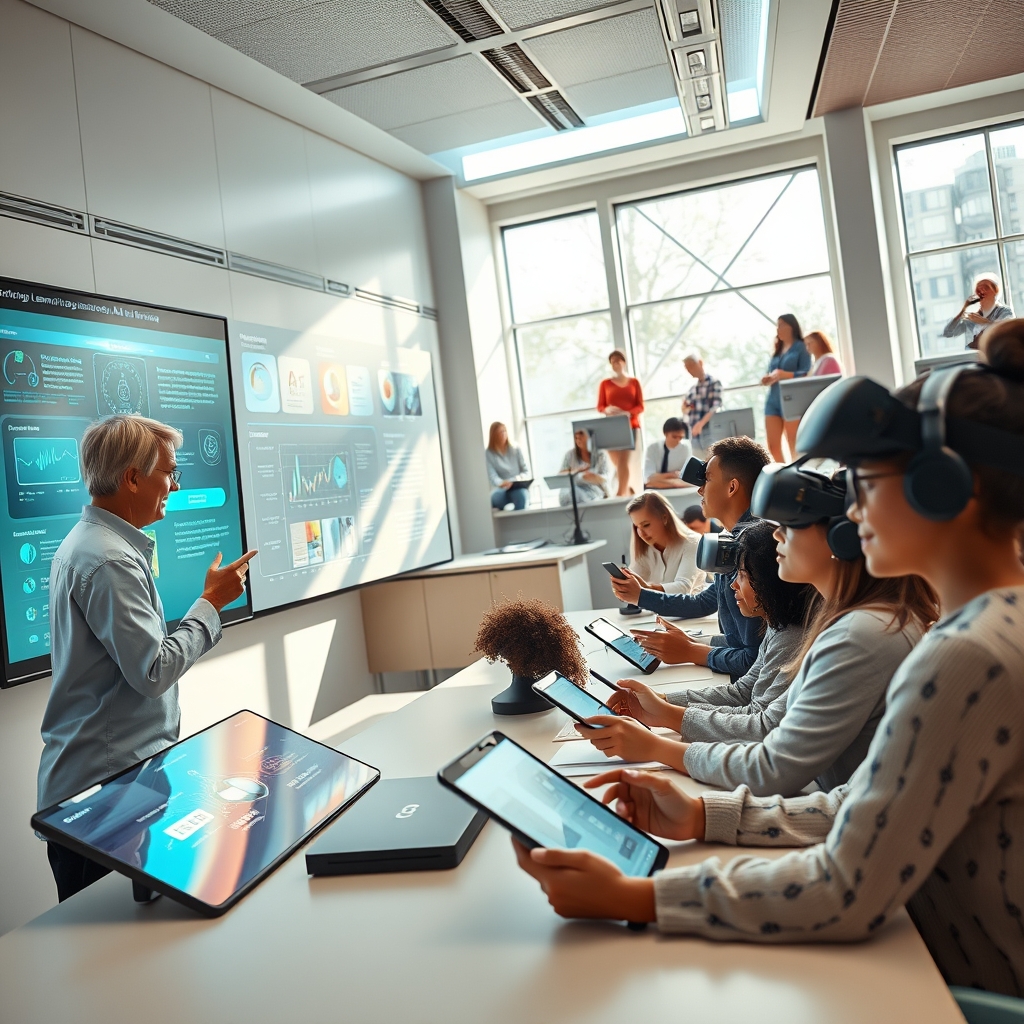
In an era where technology permeates every aspect of our lives, the concept of digital literacy has transcended beyond basic computer skills. Today, it encompasses a dynamic set of competencies that enable learners to navigate, evaluate, and create information in a digital world. As artificial intelligence (AI) and generative tools become increasingly integrated into educational frameworks, the definition of digital literacy is evolving, demanding a deeper understanding of how these technologies can be harnessed to foster critical thinking, creativity, and inclusivity in learning environments.
The Shifting Landscape of Digital Literacy
Digital literacy was once synonymous with the ability to use software, browse the internet, or send an email. However, the rapid advancement of AI and generative tools has expanded this definition. Modern digital literacy now includes the ability to interact with AI-driven systems, understand their limitations, and leverage them to enhance learning outcomes. For instance, students must learn not only how to use AI-powered search engines but also how to critically assess the information they provide, recognizing biases and inaccuracies that may arise from algorithmic outputs.
This shift is particularly evident in the way educators are rethinking curricula to incorporate AI literacy. Schools and universities are beginning to introduce modules that teach students how to prompt generative AI tools effectively, how to verify the authenticity of AI-generated content, and how to use these tools ethically. The goal is to equip learners with the skills to thrive in a world where AI is ubiquitous, ensuring they are not merely passive consumers of technology but active, discerning participants in the digital ecosystem.
Generative Tools and the Future of Personalized Learning
One of the most transformative aspects of AI in education is its ability to personalize learning experiences. Generative tools, such as AI-driven writing assistants, adaptive learning platforms, and intelligent tutoring systems, are revolutionizing the way students engage with content. These tools can tailor educational materials to individual learning styles, pace, and preferences, making education more accessible and effective for diverse learners.
For example, AI-powered platforms can generate customized quizzes, provide real-time feedback, and even create personalized study plans based on a student’s performance. This level of personalization was once unimaginable, but it is now becoming a reality in classrooms around the world. Moreover, generative AI can assist educators by automating administrative tasks, such as grading and lesson planning, freeing up more time for them to focus on teaching and mentoring students.
However, the integration of generative tools into education is not without challenges. There are concerns about over-reliance on AI, the potential for reduced human interaction, and the ethical implications of using AI-generated content. Educators must strike a balance between leveraging these tools to enhance learning and ensuring that students develop the critical thinking skills necessary to navigate an AI-driven world independently.
The Role of Learning Analytics in Shaping Educational Equity
Learning analytics, powered by AI, is another critical component of the digital literacy evolution. By collecting and analyzing data on student performance, engagement, and behavior, learning analytics can provide insights that help educators identify at-risk students, tailor interventions, and create more equitable learning environments. This data-driven approach ensures that no student is left behind, regardless of their background or learning needs.
For instance, learning analytics can detect patterns in student behavior that may indicate struggles with specific concepts or subjects. Educators can then intervene early, providing additional resources or support to help the student succeed. This proactive approach is particularly beneficial in promoting educational equity, as it allows schools to address disparities in learning outcomes before they become entrenched.
Furthermore, learning analytics can help institutions design more inclusive curricula by identifying gaps in accessibility and representation. For example, if data reveals that certain groups of students are consistently underperforming in a particular subject, educators can investigate whether the curriculum is adequately addressing their needs or if additional support is required. This level of insight is invaluable in creating learning environments that are truly inclusive and equitable.
Preparing Learners for an AI-Driven Future
As AI continues to reshape the educational landscape, the importance of digital literacy cannot be overstated. Students must be prepared to engage with AI tools critically and creatively, understanding both their potential and their limitations. This preparation goes beyond technical skills; it requires fostering a mindset of lifelong learning, adaptability, and ethical awareness.
Educators play a pivotal role in this process. By integrating AI and generative tools into their teaching practices, they can model how to use these technologies responsibly and effectively. They can also encourage students to explore the ethical implications of AI, such as data privacy, algorithmic bias, and the digital divide. Through interdisciplinary learning approaches, students can develop a holistic understanding of AI’s impact on society, preparing them to navigate the complexities of an AI-driven future.
Ultimately, the evolution of digital literacy is not just about keeping pace with technological advancements; it is about empowering learners to harness these tools to create a more equitable, innovative, and inclusive world. As AI and generative tools become more integrated into education, the focus must remain on developing the critical thinking, creativity, and ethical awareness that will enable students to thrive in the digital age. The future of learning is not just about what technology can do for us, but about what we can do with technology to shape a better future for all.



