
The Global Classroom: How Study Abroad Programs and Cultural Exchange Are Crafting the Next Generation of Intercultural Leaders
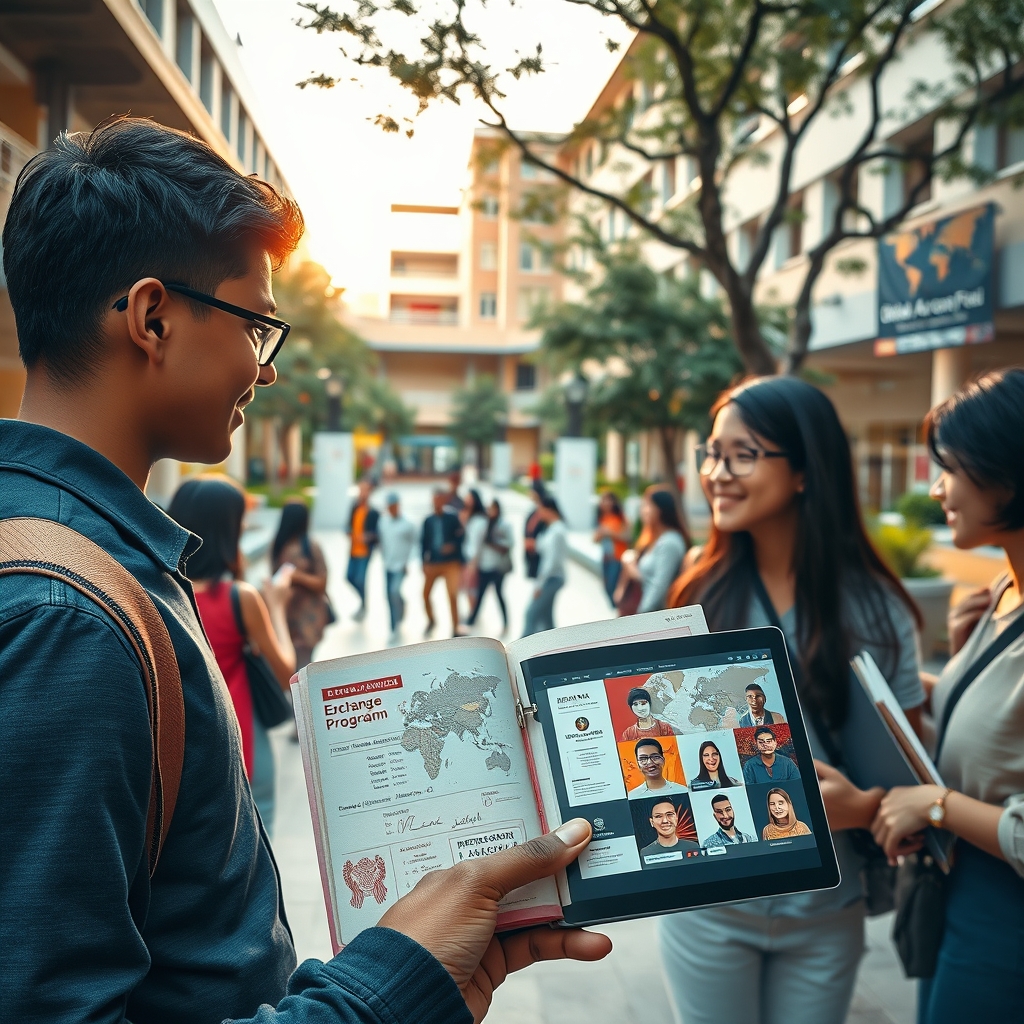
In an era where borders are increasingly porous and digital connectivity shrinks distances, the concept of education has transcended traditional classrooms. Study abroad programs and cultural exchange initiatives are no longer just optional extras—they are essential components of a holistic education, shaping students into adaptable, empathetic, and globally aware individuals. These experiences do more than just enhance resumes; they redefine perspectives, challenge preconceptions, and foster a deep sense of global citizenship that is invaluable in today’s interconnected world.
The Evolution of International Student Mobility
International student mobility has undergone a remarkable transformation over the past few decades. What was once a privilege reserved for the elite has now become a mainstream opportunity, thanks to initiatives like the Erasmus Plus Scholarship, tuition waivers, and credit transfer systems. These programs have democratized access to global education, allowing students from diverse backgrounds to participate in life-changing experiences. The rise of short-term study abroad options has further lowered barriers, making it possible for even those with tight schedules or limited budgets to engage in cross-cultural learning.
This shift is not just about numbers; it’s about the quality of the experience. Modern study abroad programs are designed to be immersive, integrating academic learning with real-world cultural engagement. Whether it’s through host family placements, language exchange programs, or community-based projects, students are no longer passive observers—they are active participants in their host cultures. This hands-on approach ensures that the lessons learned extend far beyond the classroom, fostering intercultural competence and cross-cultural adaptability that are critical in today’s global workforce.
The Power of Cultural Immersion
At the heart of any meaningful study abroad experience is cultural immersion. Unlike traditional tourism, which often skims the surface of a culture, immersion requires students to engage deeply with their surroundings. Living with a host family, for example, offers an unparalleled opportunity to experience daily life in a new country—from shared meals and family traditions to navigating local customs and social norms. These experiences challenge students to step outside their comfort zones, adapt to unfamiliar situations, and develop a nuanced understanding of cultural differences.
Language acquisition is another powerful byproduct of cultural immersion. While classroom learning provides a foundation, there is no substitute for the real-world practice that comes from navigating a foreign language in everyday situations. Students who participate in language exchange programs or semester abroad initiatives often find their fluency accelerating rapidly, as they are forced to communicate in their new language to accomplish even the simplest tasks. This linguistic growth is not just about mastering grammar and vocabulary; it’s about gaining the confidence to connect with people from different backgrounds, fostering relationships that transcend language barriers.
The Role of Pre-Departure Orientation
While the allure of studying abroad is undeniable, the transition to a new country can be daunting. This is where pre-departure orientation plays a crucial role. These programs equip students with the tools they need to navigate the challenges of living and studying in a foreign country, from understanding visa requirements to managing cultural shock. Orientation sessions often cover practical topics like health and safety, academic expectations, and financial planning, but they also delve into deeper issues like cultural sensitivity and emotional resilience.
One of the most valuable aspects of pre-departure orientation is the opportunity to connect with other students who are embarking on similar journeys. These peer networks provide a support system that can make all the difference in a student’s experience abroad. Sharing fears, excitement, and practical advice with others who are in the same boat helps to normalize the challenges of cultural adaptation and reinforces the idea that students are not alone in their journey.
The Rise of Virtual Exchange Programs
Not all students have the opportunity to travel abroad, but that doesn’t mean they should miss out on the benefits of global learning. Virtual exchange programs have emerged as a powerful alternative, offering students the chance to engage in cross-cultural dialogue and collaboration without leaving their home countries. These programs leverage technology to connect students from different parts of the world, facilitating discussions, joint projects, and even virtual internships that mirror the experiences of traditional study abroad programs.
The advantages of virtual exchange are manifold. They are often more accessible and affordable than in-person programs, making them an attractive option for students with financial or logistical constraints. They also provide a low-risk environment for students to develop intercultural skills, allowing them to experiment with different communication styles and perspectives before committing to a physical exchange. For many, virtual exchange serves as a stepping stone, inspiring them to pursue in-person study abroad opportunities in the future.
Educational Tourism: Learning Beyond the Classroom
The concept of educational tourism has gained traction in recent years, blurring the lines between travel and learning. Unlike traditional tourism, which prioritizes leisure, educational tourism focuses on experiential learning, whether through academic courses, cultural workshops, or volunteer work. This approach allows students to gain a deeper understanding of their host country while contributing to local communities in meaningful ways.
For example, a student studying environmental science might participate in a conservation project in Costa Rica, while a history major could explore ancient ruins in Greece with a local archaeologist. These experiences not only enrich students’ academic knowledge but also foster a sense of global responsibility. By engaging with local issues and communities, students develop a more nuanced understanding of the world and their place in it, which is the essence of global citizenship education.
The impact of study abroad programs and cultural exchange initiatives extends far beyond the individual. As students return home with new perspectives, skills, and connections, they become ambassadors of change in their own communities. They challenge stereotypes, bridge cultural divides, and inspire others to seek out their own global learning experiences. In a world that often feels divided, these programs remind us of our shared humanity and the power of education to unite us across borders, languages, and cultures. The next generation of leaders is not just being educated—they are being transformed, one exchange at a time.



