
The AI Advantage: How Intelligent Systems Are Cultivating Critical Thinking and Digital Fluency in the Modern Classroom
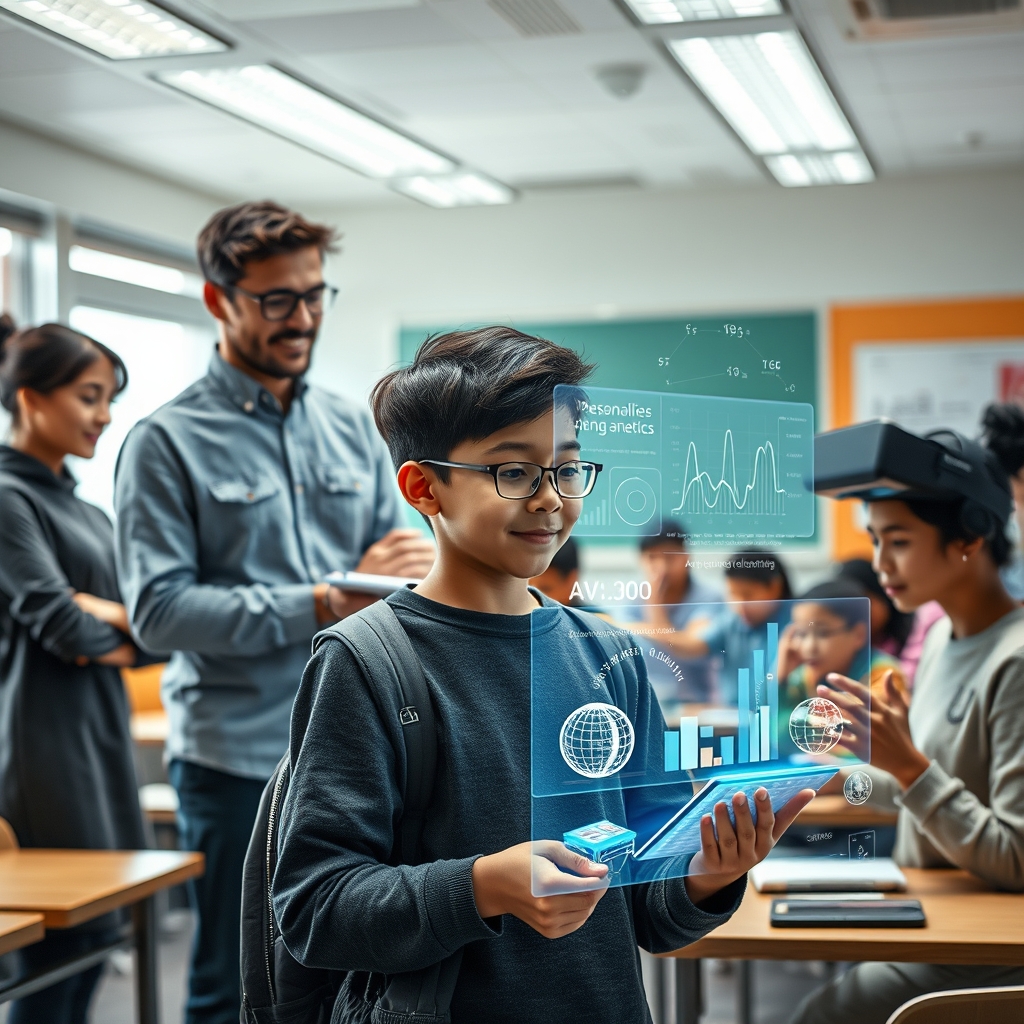
In an era where technology permeates every facet of life, education stands at the precipice of a transformative shift. Artificial Intelligence (AI) is no longer a distant concept confined to science fiction; it is a tangible force reshaping how students learn, engage, and think critically. The modern classroom is evolving into a dynamic ecosystem where AI-driven tools are not just supplementary but foundational, fostering digital fluency and equipping learners with the skills needed to navigate an increasingly complex world.
The Rise of Intelligent Tutoring Systems
Intelligent Tutoring Systems (ITS) represent one of the most groundbreaking applications of AI in education. These systems leverage machine learning algorithms to adapt to individual learning styles, providing real-time feedback and personalized guidance. Unlike traditional one-size-fits-all teaching methods, ITS can identify knowledge gaps, adjust difficulty levels, and even anticipate where a student might struggle next. For instance, platforms like Carnegie Learning and Squirrel AI have demonstrated remarkable success in improving math and science outcomes by tailoring instruction to each student’s pace and comprehension level.
The impact of ITS extends beyond academic performance. By offering immediate, targeted support, these systems help build confidence and independence in learners. Students no longer feel left behind in a sea of peers; instead, they receive the individualized attention that was once the privilege of private tutoring. This shift is particularly transformative for underrepresented groups, where access to personalized education has historically been limited.
Generative AI and the Reinvention of Content Creation
Generative AI tools, such as those powered by large language models, are redefining how educational content is created and consumed. These tools can generate interactive lesson plans, quizzes, and even entire courses tailored to specific learning objectives. For educators, this means less time spent on administrative tasks and more time focused on mentorship and student engagement. For students, it translates into dynamic, multimedia-rich learning experiences that cater to diverse learning preferences—whether visual, auditory, or kinesthetic.
Moreover, generative AI is democratizing access to high-quality educational resources. Teachers in resource-constrained schools can now create customized materials without relying on expensive textbooks or external providers. This not only levels the playing field but also encourages a culture of innovation, where educators are empowered to experiment with new teaching methodologies. The result is a more inclusive and adaptive learning environment that meets students where they are.
Learning Analytics: The Power of Data-Driven Insights
At the heart of AI’s transformative potential in education lies learning analytics—the process of collecting, analyzing, and interpreting data to improve learning outcomes. By tracking metrics such as engagement levels, time spent on tasks, and patterns of mistakes, AI systems can provide educators with actionable insights into student performance. This data-driven approach enables early intervention for struggling students, identifies trends in learning behaviors, and even predicts future academic challenges before they arise.
For example, platforms like Knewton and DreamBox use learning analytics to create adaptive learning pathways that evolve in real time. These systems can recommend specific resources, adjust the sequence of topics, or suggest collaborative projects based on a student’s progress. The result is a more efficient and effective learning journey, where students are neither bored by material that is too easy nor overwhelmed by concepts that are too advanced.
Fostering Critical Thinking in the Age of AI
While AI excels at personalization and efficiency, its true value lies in its ability to cultivate critical thinking—a skill that is increasingly vital in a world awash with information. AI-driven tools can simulate real-world scenarios, present complex problems, and encourage students to explore multiple solutions. For instance, project-based learning (PBL) platforms powered by AI can guide students through interdisciplinary challenges, such as designing sustainable cities or developing innovative healthcare solutions. These experiences not only deepen subject-matter expertise but also hone skills like collaboration, creativity, and problem-solving.
Furthermore, AI can help students develop digital literacy by teaching them how to evaluate the credibility of sources, recognize biases in data, and understand the ethical implications of technology. In an age where misinformation spreads rapidly, these skills are indispensable. By integrating AI into the curriculum, educators can prepare students to navigate the digital landscape with discernment and confidence.
The Human Element: Balancing Technology and Empathy
Despite the undeniable benefits of AI in education, it is essential to remember that technology is a tool, not a replacement for human connection. The most effective learning environments are those that strike a balance between AI-driven personalization and the empathy, creativity, and inspiration that only a human educator can provide. Teachers play a crucial role in contextualizing AI-generated insights, fostering emotional intelligence, and nurturing a growth mindset in students.
For instance, while an AI system might identify a student’s struggle with algebraic concepts, it is the teacher who can uncover the underlying cause—whether it’s a lack of foundational knowledge, test anxiety, or external stressors. By combining the precision of AI with the nuance of human interaction, educators can create a holistic learning experience that addresses both academic and emotional needs.
The Path Forward: Equity, Access, and Lifelong Learning
As AI continues to reshape education, its potential to bridge gaps in equity and access cannot be overstated. Intelligent systems can provide high-quality, personalized learning experiences to students in remote or underserved communities, breaking down barriers that have long hindered educational progress. However, this promise can only be realized if AI is deployed thoughtfully and inclusively, with a focus on addressing the unique needs of diverse learners.
The integration of AI into education also underscores the importance of lifelong learning. In a rapidly changing world, the ability to adapt and upskill is paramount. AI-powered microlearning platforms, such as Duolingo or Coursera, make it easier than ever for individuals to acquire new skills at their own pace. Whether it’s mastering a new language, learning to code, or exploring a passion project, AI is making education more accessible, flexible, and engaging for learners of all ages.
The classroom of the future is not a distant dream but a reality unfolding before our eyes. As AI continues to evolve, it will unlock new possibilities for personalized, equitable, and experiential learning. Yet, the true measure of its success will not be in the sophistication of its algorithms, but in its ability to empower every student to think critically, adapt confidently, and thrive in an ever-changing world. The journey has just begun, and the potential is limitless—provided we embrace it with both innovation and empathy.



