
The Next Wave of Educational Transformation: How AI and Experiential Learning Are Redefining Interdisciplinary Mastery
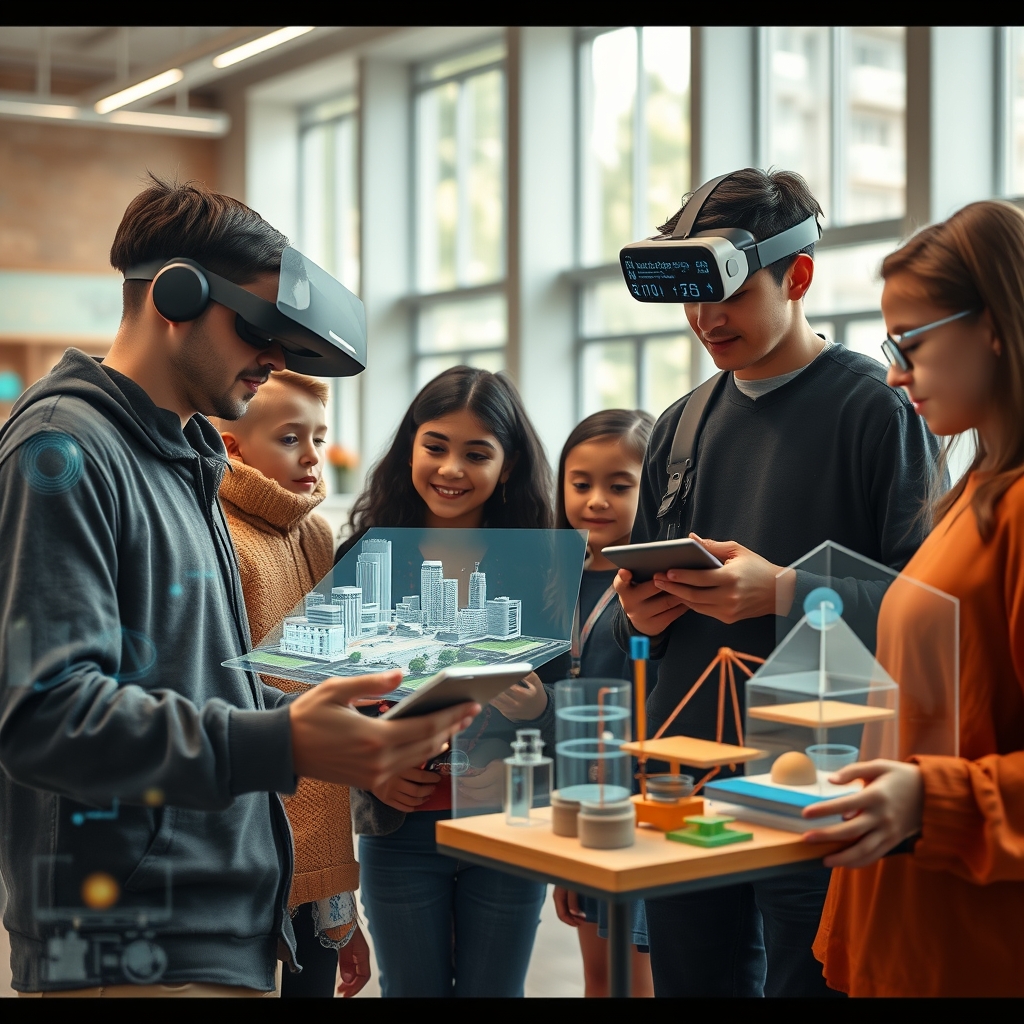
The landscape of education is undergoing a seismic shift, driven by the convergence of artificial intelligence and experiential learning. No longer confined to traditional classrooms or rigid curricula, today’s learners are stepping into dynamic environments where technology and hands-on experience merge to create something far greater than the sum of their parts. This evolution is not just about adopting new tools—it’s about reimagining how knowledge is acquired, applied, and mastered across disciplines. At the heart of this transformation lies a powerful synergy: AI’s ability to personalize and adapt, paired with experiential learning’s capacity to engage and inspire.
The Power of Personalization in Interdisciplinary Learning
One of the most profound impacts of AI in education is its ability to tailor learning experiences to the unique needs of each student. Traditional education often operates on a one-size-fits-all model, where students progress at the same pace regardless of their individual strengths, weaknesses, or interests. AI disrupts this paradigm by leveraging learning analytics to identify patterns in student behavior, preferences, and performance. These insights allow educators to design interdisciplinary learning pathways that are not only adaptive but also deeply personal.
For example, a student interested in both environmental science and data analytics might engage in a project that combines these fields—using AI-driven tools to analyze climate data while applying experiential learning techniques to design sustainable solutions. The AI system can adjust the difficulty of tasks in real time, provide targeted feedback, and even suggest additional resources based on the student’s progress. This level of personalization ensures that learners are not just passive recipients of information but active participants in their educational journey, fostering a sense of ownership and curiosity that transcends disciplinary boundaries.
Breaking Down Silos with Experiential Learning
Interdisciplinary learning thrives when students can see the connections between seemingly disparate fields. However, traditional education often reinforces silos, with subjects taught in isolation. Experiential learning bridges these gaps by immersing students in real-world challenges that require them to draw from multiple disciplines. When combined with AI, this approach becomes even more powerful.
Consider a project-based learning scenario where students are tasked with designing a smart city. This endeavor requires knowledge of urban planning, engineering, computer science, and social sciences. AI can enhance this experience by providing generative tools that simulate city dynamics, predict outcomes based on different design choices, and even generate virtual prototypes. Students can test their ideas in a risk-free environment, receive instant feedback, and iterate on their designs—all while developing critical thinking skills that are essential for navigating complex, real-world problems.
Moreover, AI-driven simulations can adapt to the skill level of each student, ensuring that the experience remains challenging yet achievable. This not only keeps learners engaged but also builds their confidence in tackling interdisciplinary challenges. The result is a generation of students who are not only proficient in multiple fields but also adept at synthesizing knowledge to create innovative solutions.
The Role of Digital Literacy in an AI-Augmented World
As AI becomes more integrated into education, digital literacy is no longer a supplementary skill—it’s a fundamental requirement. Students must learn not only how to use AI tools but also how to critically evaluate their outputs, understand their limitations, and apply them ethically. This shift requires educators to rethink how digital literacy is taught, moving beyond basic computer skills to a more nuanced understanding of technology’s role in society.
AI can play a pivotal role in developing these skills. For instance, generative AI tools can be used to teach students about bias in data, the importance of transparency in algorithms, and the ethical implications of automation. By engaging with these tools in a controlled, educational setting, students can develop the critical thinking skills necessary to navigate an increasingly AI-driven world. Additionally, AI-powered platforms can provide personalized digital literacy curricula, ensuring that students at all levels receive the guidance they need to become responsible and informed digital citizens.
Fostering Inclusive Education Through AI and Experiential Learning
One of the most promising aspects of AI in education is its potential to create more inclusive learning environments. Traditional classrooms often struggle to accommodate the diverse needs of students, particularly those with learning disabilities, language barriers, or different cultural backgrounds. AI can help bridge these gaps by providing adaptive learning experiences that cater to individual needs.
For example, AI-powered intelligent tutoring systems can offer real-time translation, text-to-speech capabilities, and personalized pacing to support students with language barriers or learning disabilities. Meanwhile, experiential learning can be designed to be culturally responsive, allowing students to explore topics through the lens of their own experiences and backgrounds. This combination ensures that education is not only accessible but also relevant and engaging for all learners, regardless of their starting point.
The Future of Lifelong Learning
The integration of AI and experiential learning is not just transforming K-12 and higher education—it’s redefining lifelong learning. In a world where skills become obsolete at an unprecedented rate, the ability to continuously adapt and upskill is more important than ever. AI-powered microlearning platforms are making this possible by delivering bite-sized, personalized lessons that fit into the busy schedules of working professionals. These platforms use learning analytics to track progress and recommend new topics based on individual goals and interests, ensuring that learning remains a continuous, engaging process.
Gamified learning, another AI-driven innovation, adds an element of fun and competition to lifelong learning. By incorporating game-like elements such as badges, leaderboards, and challenges, these platforms motivate learners to stay engaged and committed to their educational goals. When combined with experiential learning, gamification can create immersive experiences that make complex topics more accessible and enjoyable. For instance, a professional looking to transition into a new field might use a gamified platform to simulate real-world scenarios, such as managing a project or analyzing data, allowing them to build confidence and competence before applying these skills in their career.
As we stand on the brink of this educational revolution, it’s clear that the future of learning lies in the seamless integration of technology and human ingenuity. AI and experiential learning are not just tools—they are catalysts for a more personalized, inclusive, and interdisciplinary approach to education. By embracing these innovations, we can empower learners of all ages to become not just consumers of knowledge, but creators, innovators, and problem-solvers who are ready to thrive in an ever-changing world. The journey has only just begun, and the possibilities are as limitless as the curiosity that drives us forward.



