
Bridging Gaps and Building Futures: The Impact of After-School Programs on Student Achievement
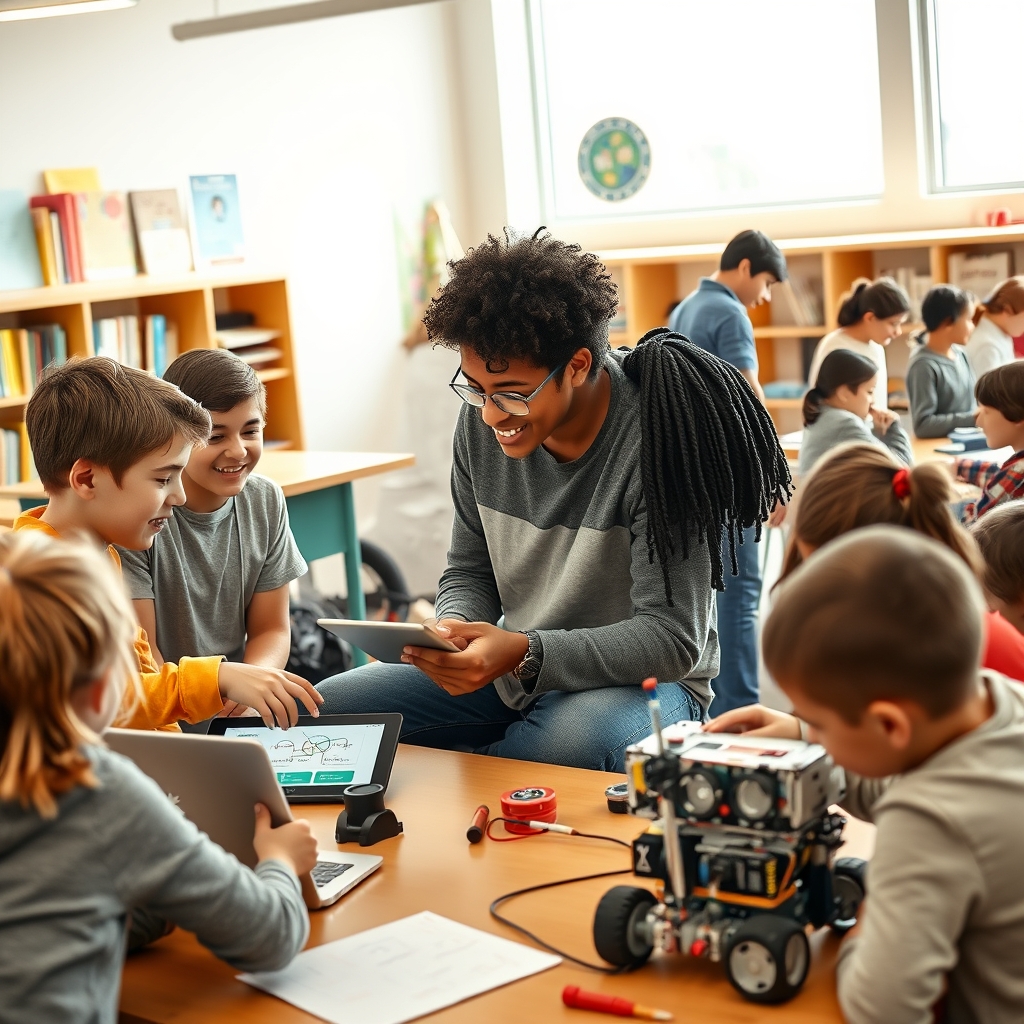
In today’s fast-paced educational landscape, the traditional classroom often struggles to meet the diverse needs of every student. While some learners thrive in structured environments, others require additional support to grasp complex concepts, stay engaged, or unlock their full potential. This is where after-school programs step in, offering a dynamic blend of academic tutoring, enrichment activities, and personalized guidance that extends learning beyond the final school bell. These programs are not just about filling gaps—they are about creating opportunities, fostering confidence, and shaping futures.
The Multifaceted Role of After-School Programs
After-school programs serve a dual purpose: they provide remedial support for students who need extra help while also offering enrichment opportunities for those seeking to explore subjects beyond the standard curriculum. For students struggling with core subjects like math or reading, these programs offer targeted academic tutoring that reinforces classroom lessons in a smaller, more focused setting. Unlike traditional remedial classes, which can sometimes feel punitive, after-school programs often adopt a more holistic approach, blending homework help with interactive activities that make learning feel less like a chore and more like an adventure.
On the other end of the spectrum, advanced learners benefit from enrichment programs that challenge them with accelerated learning opportunities. Whether it’s delving into advanced placement courses, exploring micro-credentials in emerging fields, or participating in dual enrollment programs that allow high school students to earn college credits, these initiatives push students to think critically and creatively. The flexibility of after-school programs means they can cater to both ends of the academic spectrum, ensuring no student is left behind or unchallenged.
The Rise of Online Tutoring and Digital Learning Platforms
The digital revolution has transformed the way after-school programs operate. Online tutoring has emerged as a game-changer, breaking down geographical barriers and making high-quality academic support accessible to students regardless of their location. Digital learning platforms offer interactive lessons, real-time feedback, and adaptive learning tools that personalize the educational experience. For students in remote or underserved areas, these platforms provide a lifeline to resources that might otherwise be out of reach.
Moreover, online tutoring allows for greater flexibility in scheduling, making it easier for students to balance academics with extracurricular activities or part-time jobs. The integration of gamification and multimedia elements in these platforms also makes learning more engaging, particularly for younger students who may struggle with traditional teaching methods. As technology continues to evolve, the potential for digital learning platforms to enhance after-school programs is limitless, offering new ways to inspire and educate.
Peer Tutoring and Collaborative Learning: A Two-Way Street
One of the most effective yet underrated components of after-school programs is peer tutoring. This approach leverages the power of collaborative learning, where students teach and learn from one another. Peer tutoring not only reinforces the tutor’s understanding of the subject matter but also builds confidence and communication skills. For the tutee, learning from a peer can feel less intimidating than seeking help from a teacher, fostering a more relaxed and open learning environment.
Studies have shown that peer tutoring can lead to significant improvements in academic performance, particularly in subjects like math and science. It also promotes a sense of community and mutual support among students, which can be particularly beneficial in diverse or inclusive educational settings. After-school programs that incorporate peer tutoring often see higher levels of student engagement and a stronger sense of belonging, both of which are critical for long-term academic success.
Skill Development and the Path to Lifelong Learning
Beyond academics, after-school programs play a crucial role in developing essential life skills. From language classes that open doors to new cultures to skill development courses that teach coding, robotics, or creative writing, these programs equip students with the tools they need to thrive in an ever-changing world. Continuing education is no longer confined to adults—students of all ages are now encouraged to explore their interests and develop skills that extend beyond the classroom.
For example, summer school programs often focus on skill-building rather than remediation, offering courses in leadership, public speaking, or even financial literacy. These experiences not only enhance a student’s resume but also instill a love for learning that lasts a lifetime. In an era where adaptability and continuous learning are key to success, after-school programs provide a safe space for students to experiment, fail, and grow.
The Broader Impact: From Academic Success to Personal Growth
The benefits of after-school programs extend far beyond improved test scores or higher grades. These programs help students develop resilience, time management, and problem-solving skills—qualities that are invaluable in both academic and real-world settings. For many students, after-school programs provide a sense of structure and purpose, particularly during the critical hours between the end of the school day and when parents return from work. This can be especially impactful for at-risk youth, offering them a safe and supportive environment that keeps them engaged and out of trouble.
Furthermore, after-school programs often serve as a bridge between school and home, fostering stronger relationships between educators, students, and families. Parents gain peace of mind knowing their children are in a productive and enriching environment, while teachers can collaborate with after-school staff to tailor support to each student’s unique needs. This holistic approach ensures that learning is not confined to the classroom but is a continuous, collaborative effort.
As education continues to evolve, after-school programs will remain a vital component of the learning ecosystem. They are not just a supplement to traditional schooling but a powerful tool for equity, inclusion, and innovation. By providing students with the resources, support, and opportunities they need to succeed, these programs are not only bridging gaps—they are building the foundations for a brighter, more inclusive future. Whether through academic tutoring, enrichment activities, or skill development, after-school programs are shaping the next generation of thinkers, leaders, and lifelong learners, one student at a time.



