
The Hidden Gems of Study Abroad: How Short-Term Programs Build Lifelong Intercultural Competence
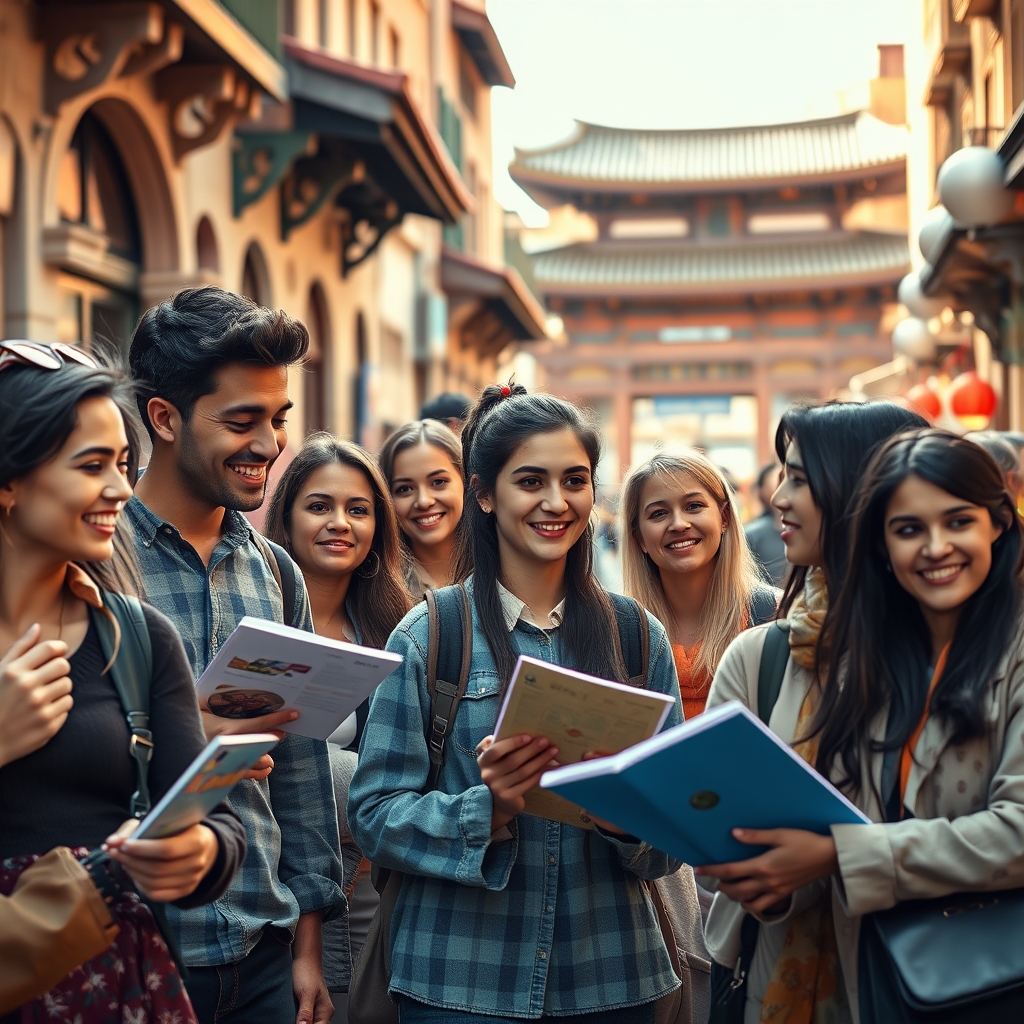
In an era where global connectivity is no longer a luxury but a necessity, international student mobility has evolved beyond traditional semester-long exchanges. While year-long study abroad programs and prestigious scholarships like the Erasmus Plus Scholarship continue to capture the imagination of students worldwide, a quieter revolution is taking place—one driven by short-term study abroad experiences. These condensed programs, often lasting just a few weeks, are proving to be powerful catalysts for developing intercultural competence, fostering cross-cultural adaptability, and shaping the next generation of globally minded citizens.
The Rise of Short-Term Study Abroad
Gone are the days when studying abroad was synonymous with committing to a full academic year in a foreign country. Today, students from diverse academic backgrounds are opting for short-term study abroad programs that fit seamlessly into their schedules, budgets, and career goals. Universities and educational institutions have responded to this demand by designing immersive, intensive programs that pack a punch in a fraction of the time. From summer language intensives in Spain to winter cultural exchange programs in Japan, these opportunities are making global learning experiences accessible to a broader audience.
One of the most compelling advantages of short-term programs is their flexibility. Unlike traditional exchanges that require extensive planning, credit transfers, and visa applications, these programs often come with streamlined processes. Many institutions offer tuition waivers or scholarships to offset costs, while partnerships with local universities ensure that academic credits are easily transferable through a credit transfer system. This accessibility is particularly beneficial for students who may not have the financial means or time to commit to longer stays abroad.
Cultural Immersion in a Compact Format
A common misconception about short-term study abroad is that they lack the depth of longer programs. However, when thoughtfully designed, these experiences can offer an equally—if not more—intense form of cultural immersion. The condensed timeline forces participants to dive headfirst into their host culture, accelerating the process of adaptation and learning. Whether it’s navigating the bustling streets of Marrakech, participating in a homestay with a host family placement, or engaging in a language exchange program, students are pushed out of their comfort zones in ways that foster rapid personal growth.
Take, for example, a three-week program focused on Global Citizenship Education in Berlin. Students might spend their mornings in seminars discussing human rights and sustainability, followed by afternoons volunteering with local NGOs or engaging in dialogue with refugees. Evenings could be filled with cultural activities, from attending a traditional German concert to cooking classes where they learn to make schnitzel from scratch. The intensity of these experiences ensures that students don’t just observe a culture—they live it, even if only for a short time.
The Role of Pre-Departure Orientation
One of the keys to maximizing the impact of a short-term study abroad program lies in the preparation. A well-structured pre-departure orientation can make the difference between a superficial experience and a transformative one. These orientations often cover practical aspects like visa requirements, health and safety, and academic expectations, but their true value lies in setting the stage for cultural engagement. Workshops on intercultural competence help students develop the skills needed to navigate cultural differences, while sessions on cross-cultural adaptability prepare them for the inevitable challenges of living in a new environment.
For instance, students might participate in role-playing exercises that simulate real-life scenarios, such as negotiating with a landlord in a foreign language or resolving a misunderstanding with a host family. These activities not only build confidence but also encourage empathy and open-mindedness—qualities that are essential for thriving in a globalized world. By the time students board their flights, they are not just travelers; they are prepared global learners.
Beyond the Classroom: The Unexpected Benefits
While academic enrichment is a primary goal of study abroad programs, the benefits of short-term experiences extend far beyond the classroom. One of the most significant advantages is the opportunity to develop foreign language fluency in a real-world context. Even a few weeks of immersion can dramatically improve language skills, as students are forced to communicate in their host language for daily tasks like grocery shopping, asking for directions, or making new friends. The pressure to adapt quickly often leads to breakthroughs that might take months in a traditional classroom setting.
Additionally, short-term programs often include elements of educational tourism, where students explore historical sites, museums, and natural wonders as part of their curriculum. These excursions are not just recreational; they provide context for the academic material being studied. For example, a program on European history might include visits to the Colosseum in Rome or the Anne Frank House in Amsterdam, bringing textbook lessons to life in a way that no lecture could.
The Power of Virtual Exchange in a Post-Pandemic World
The COVID-19 pandemic disrupted international student mobility in unprecedented ways, but it also accelerated the adoption of virtual exchange programs. These digital alternatives have proven to be more than just stopgap measures; they are now a permanent fixture in the landscape of global education. Virtual exchanges allow students to connect with peers from around the world, participate in collaborative projects, and engage in cross-cultural dialogue—all without leaving their homes. While they cannot fully replicate the experience of physical travel, they offer a low-cost, low-risk way to develop intercultural skills and build global networks.
For students who may not have the opportunity to participate in a physical study abroad program, virtual exchanges provide a valuable alternative. They also serve as a stepping stone for those who aspire to travel in the future, offering a taste of what it’s like to engage with different cultures and perspectives. In some cases, virtual exchanges have even led to in-person collaborations, as students who meet online later apply for grants or scholarships to continue their work together abroad.
The world is more interconnected than ever, and the skills needed to navigate it are evolving just as rapidly. Short-term study abroad programs offer a unique blend of accessibility, intensity, and transformative potential, making them an ideal choice for students seeking to develop intercultural competence without the commitment of a long-term exchange. Whether through a summer language program, a winter cultural immersion, or a virtual exchange, these experiences are shaping a new generation of global citizens—one who understands that even a brief encounter with another culture can leave a lasting impact. The journey doesn’t have to be long to be life-changing; sometimes, the most profound lessons are learned in the shortest amount of time.



