
The Intersection of AI and STEM: Crafting Dynamic, Inclusive, and Future-Ready Learning Environments
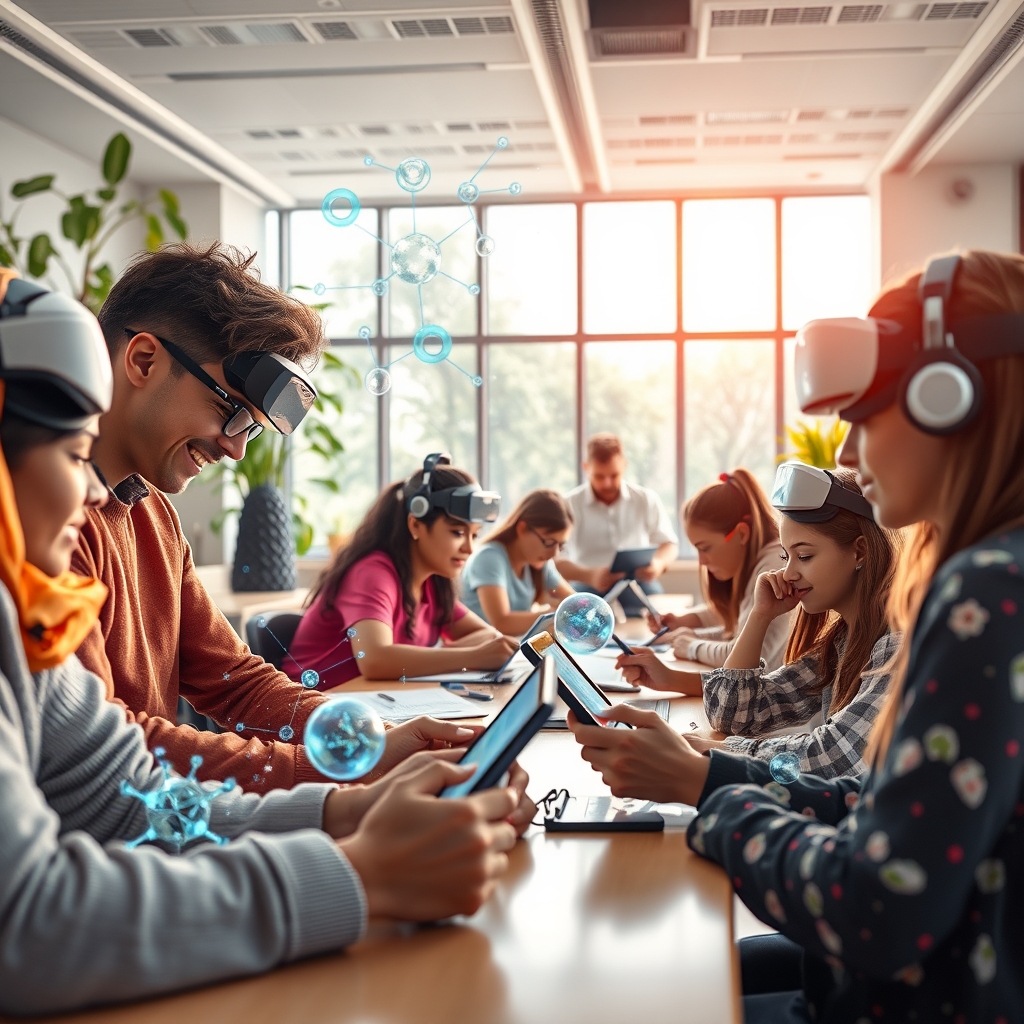
In an era where technology permeates every facet of our lives, the fields of Science, Technology, Engineering, and Mathematics (STEM) have become the bedrock of innovation and progress. Yet, traditional STEM education often struggles to keep pace with the rapid evolution of these disciplines, leaving gaps in engagement, accessibility, and real-world applicability. Enter Artificial Intelligence (AI), a transformative force that is reshaping STEM education by making it more dynamic, inclusive, and aligned with the demands of the 21st century. By integrating AI-driven tools and methodologies, educators are not only enhancing the learning experience but also fostering a generation of learners equipped to tackle the complexities of an increasingly interconnected world.
The Power of Personalization in STEM Education
One of the most significant challenges in STEM education has been addressing the diverse learning needs of students. Traditional classroom settings often adopt a one-size-fits-all approach, which can leave some learners behind while failing to challenge others. AI is changing this paradigm through personalized learning, where algorithms analyze individual performance, learning styles, and progress to tailor educational content in real time. For instance, platforms like Khan Academy and Duolingo have already demonstrated how adaptive learning technologies can adjust difficulty levels, provide targeted feedback, and even predict areas where students might struggle before they encounter them.
In STEM, this personalization is particularly impactful. AI-powered intelligent tutoring systems can simulate one-on-one interactions with students, offering step-by-step guidance through complex problems in physics, coding, or calculus. These systems don’t just provide answers; they scaffold learning by breaking down concepts into digestible parts, ensuring students grasp foundational ideas before moving on to advanced topics. The result is a more equitable learning environment where students of all abilities can thrive, reducing the achievement gaps that have long plagued STEM education.
Bridging Theory and Practice with Experiential Learning
STEM disciplines are inherently practical, yet classroom learning often prioritizes theoretical knowledge over hands-on experience. AI is bridging this gap by enabling experiential learning through simulations, virtual labs, and interactive models. For example, AI-driven platforms like Labster allow students to conduct virtual experiments in biology, chemistry, and physics, providing a risk-free environment to explore, make mistakes, and learn from them. These tools are not only cost-effective but also democratize access to high-quality lab experiences for students in under-resourced schools.
Moreover, AI is enhancing project-based learning in STEM by automating administrative tasks, such as grading and progress tracking, freeing educators to focus on mentoring and guiding students. AI can also generate real-world scenarios for students to solve, such as designing sustainable cities or developing algorithms to optimize traffic flow. These projects encourage interdisciplinary learning, as students must draw on knowledge from multiple STEM fields while also developing critical thinking and problem-solving skills. By making learning more engaging and relevant, AI is helping to cultivate a deeper passion for STEM among students.
Democratizing Access and Fostering Inclusivity
Educational equity remains a pressing issue in STEM, where underrepresented groups, including women and minorities, continue to face barriers to entry and retention. AI is playing a pivotal role in dismantling these barriers by creating more inclusive education environments. For instance, AI-powered tools can provide real-time translation and transcription services, making STEM content accessible to non-native English speakers and students with hearing impairments. Similarly, AI-driven text-to-speech and speech-to-text applications support students with dyslexia or other learning disabilities, ensuring they can fully participate in STEM learning.
AI is also helping to address the lack of representation in STEM by personalizing learning materials to reflect diverse perspectives. For example, AI can curate case studies, examples, and role models that resonate with students from different backgrounds, fostering a sense of belonging and motivation. Additionally, AI-driven learning analytics can identify patterns of disengagement or dropout among underrepresented groups, allowing educators to intervene early and provide targeted support. By making STEM education more accessible and inclusive, AI is not only leveling the playing field but also enriching the field with a broader range of voices and ideas.
Preparing Students for the Future of Work
The future of work is being reshaped by AI and automation, and STEM education must evolve to prepare students for this new landscape. AI is helping educators move beyond rote memorization and standardized testing, instead emphasizing skills like creativity, collaboration, and adaptability. For instance, AI-powered gamified learning platforms turn STEM concepts into interactive challenges, where students work in teams to solve problems, mirroring the collaborative nature of modern workplaces. These platforms often incorporate elements of competition and reward, making learning more engaging and motivating.
Furthermore, AI is enabling microlearning in STEM, where complex topics are broken down into bite-sized, easily digestible modules. This approach is particularly effective for lifelong learning, as it allows professionals to upskill or reskill in response to changing industry demands. For example, platforms like Coursera and edX use AI to recommend courses based on a learner’s career goals and prior knowledge, creating personalized pathways for continuous education. By equipping students with the skills and mindset needed to navigate an AI-driven world, STEM education is not just preparing them for future careers but also empowering them to shape the future itself.
As AI continues to evolve, its potential to transform STEM education is boundless. From personalizing learning experiences to fostering inclusivity and preparing students for the future, AI is not just a tool but a catalyst for change. The challenge for educators, policymakers, and technologists lies in harnessing this potential responsibly, ensuring that AI-driven innovations are accessible, ethical, and aligned with the goal of creating a more equitable and dynamic learning environment for all. In doing so, we can unlock the full potential of every learner, inspiring them to explore, innovate, and contribute to a world where STEM is not just a subject, but a force for positive change.



