
The Rise of Adaptive Education: How AI and Learning Analytics Are Crafting Smarter, More Equitable Learning Journeys
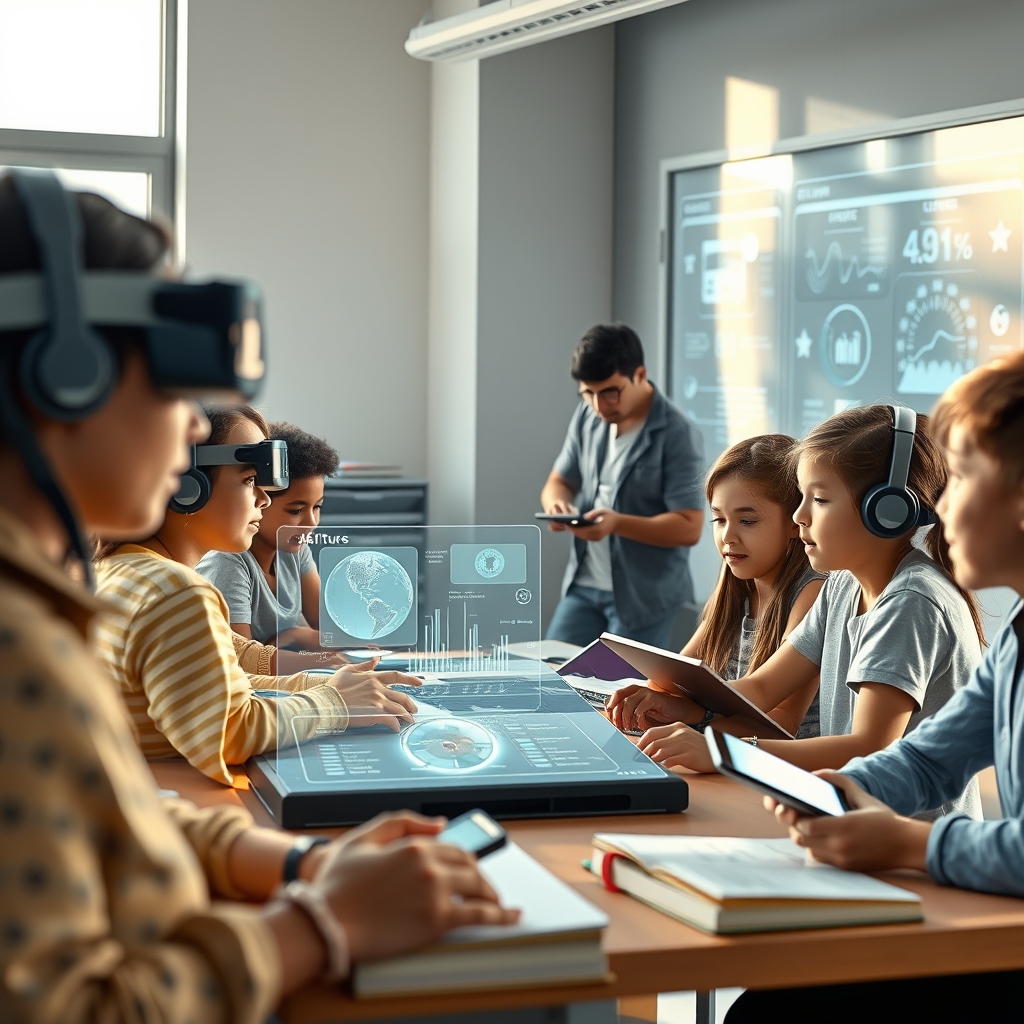
Education is no longer a one-size-fits-all experience. The traditional classroom model, where every student follows the same pace and curriculum, is rapidly evolving into a dynamic, responsive ecosystem. At the heart of this transformation lies the fusion of artificial intelligence (AI) and learning analytics, two powerful forces reshaping how knowledge is delivered, absorbed, and applied. Together, they are not just enhancing education—they are redefining what it means to learn in the 21st century.
The Power of Personalization
Imagine a classroom where every student receives instruction tailored to their unique strengths, weaknesses, and learning styles. This is the promise of personalized learning, a pedagogical approach that AI is making more accessible than ever. By analyzing vast amounts of data—from quiz scores to engagement patterns—AI-driven platforms can identify gaps in understanding and adjust content in real time. For instance, if a student struggles with algebraic concepts, the system might offer additional exercises, explanatory videos, or even interactive simulations to reinforce comprehension. Conversely, a student who masters a topic quickly can be challenged with advanced material, preventing boredom and fostering deeper engagement.
This level of customization was once the domain of elite tutoring or small, well-funded classrooms. Today, AI democratizes it, ensuring that students from diverse backgrounds—whether in urban centers or remote villages—can access high-quality, individualized education. The result is not just improved academic performance but also a boost in confidence and motivation, as learners see their progress reflected in real time.
Learning Analytics: The Invisible Guide
While AI personalizes the learning experience, learning analytics provides the insights that make this personalization possible. By tracking metrics such as time spent on tasks, error rates, and even emotional responses (via facial recognition or biometric data), these systems paint a detailed picture of how students learn. Educators can then use this data to refine their teaching strategies, identify at-risk students before they fall behind, and create more effective interventions.
For example, a university using learning analytics might notice that students who engage with peer discussion forums perform better on exams. Armed with this insight, instructors can encourage collaborative learning or redesign assignments to incorporate group work. Similarly, analytics can reveal biases in course materials—such as underrepresentation of certain cultures or perspectives—allowing institutions to address these gaps proactively. In this way, learning analytics doesn’t just optimize learning; it promotes educational equity by ensuring all students have the support they need to succeed.
The Role of Generative AI in Content Creation
One of the most exciting developments in adaptive education is the rise of generative AI tools. These systems can create customized learning materials on the fly, from practice questions to entire lesson plans. For instance, a history teacher could input a topic—say, the Industrial Revolution—and receive a set of primary source documents, discussion questions, and even a quiz, all tailored to their students’ grade level and prior knowledge. This not only saves educators time but also ensures that content is relevant, up-to-date, and aligned with learning objectives.
Generative AI also enhances interdisciplinary learning by breaking down silos between subjects. A science project on climate change, for example, could integrate data analysis (mathematics), persuasive writing (language arts), and ethical considerations (social studies). By connecting these disciplines, AI helps students see the real-world applications of their knowledge, fostering critical thinking and problem-solving skills that extend far beyond the classroom.
Blended Learning: The Best of Both Worlds
Adaptive education doesn’t mean abandoning the physical classroom. Instead, it thrives in a blended learning environment, where digital tools complement face-to-face instruction. In this model, AI handles the heavy lifting of personalization and data analysis, freeing educators to focus on what they do best: mentoring, inspiring, and building relationships with students. A teacher might use an AI platform to assign pre-class readings or quizzes, then spend classroom time facilitating discussions, debates, or hands-on activities that deepen understanding.
Blended learning also makes education more flexible and accessible. Students who miss a class due to illness or family commitments can catch up online, while those who need extra help can access additional resources at their own pace. This hybrid approach is particularly valuable in STEM education, where complex concepts often require both theoretical instruction and practical application. For example, a student learning coding might watch a video lecture at home, then collaborate with peers in class to build a project—reinforcing both technical skills and teamwork.
Gamification and Microlearning: Making Education Engaging
Keeping students engaged is one of the biggest challenges in education, but AI-powered gamified learning and microlearning are changing the game. Gamification incorporates elements of game design—such as points, badges, and leaderboards—into educational activities, making learning feel more like play. A language-learning app, for instance, might reward users with virtual trophies for completing lessons or encourage friendly competition with peers. These mechanics tap into intrinsic motivation, making students more likely to stick with their studies and retain information.
Microlearning, on the other hand, breaks down complex topics into bite-sized, digestible chunks. Instead of hour-long lectures, students might engage with 5-10 minute videos, interactive quizzes, or flashcards. This approach aligns with how the brain processes information and is particularly effective for lifelong learning, where adults juggle education with work and family responsibilities. AI enhances microlearning by curating personalized playlists of content based on a learner’s goals and progress, ensuring that every minute spent studying is maximally effective.
Inclusive Education for All
Perhaps the most profound impact of adaptive education is its potential to create more inclusive learning environments. AI can accommodate diverse learning needs, from students with disabilities to those who speak different languages. For example, text-to-speech tools can assist visually impaired learners, while real-time translation features can break down language barriers. Similarly, AI-driven platforms can adapt content for students with cognitive differences, such as dyslexia or ADHD, by adjusting text size, color contrast, or pacing.
Moreover, adaptive education can help close the achievement gap by providing underserved communities with access to high-quality resources. In regions where schools lack funding or trained teachers, AI-powered platforms can deliver world-class instruction, leveling the playing field for students who might otherwise be left behind. By prioritizing educational equity, adaptive education doesn’t just improve outcomes for individuals—it strengthens entire communities and economies.
As we stand on the brink of this educational revolution, it’s clear that the future of learning is not just about technology—it’s about humanity. AI and learning analytics are tools, but their true power lies in how they empower educators and learners to connect, create, and grow. The classrooms of tomorrow will be smarter, more responsive, and more equitable, but their success will ultimately depend on the people who bring them to life. In this new era, the greatest innovation isn’t the algorithm—it’s the opportunity to unlock the potential of every student, no matter where they begin their journey.



