
Empowering Minds: How Intelligent Tutoring Systems and Learning Analytics Are Shaping the Next Generation of Critical Thinkers
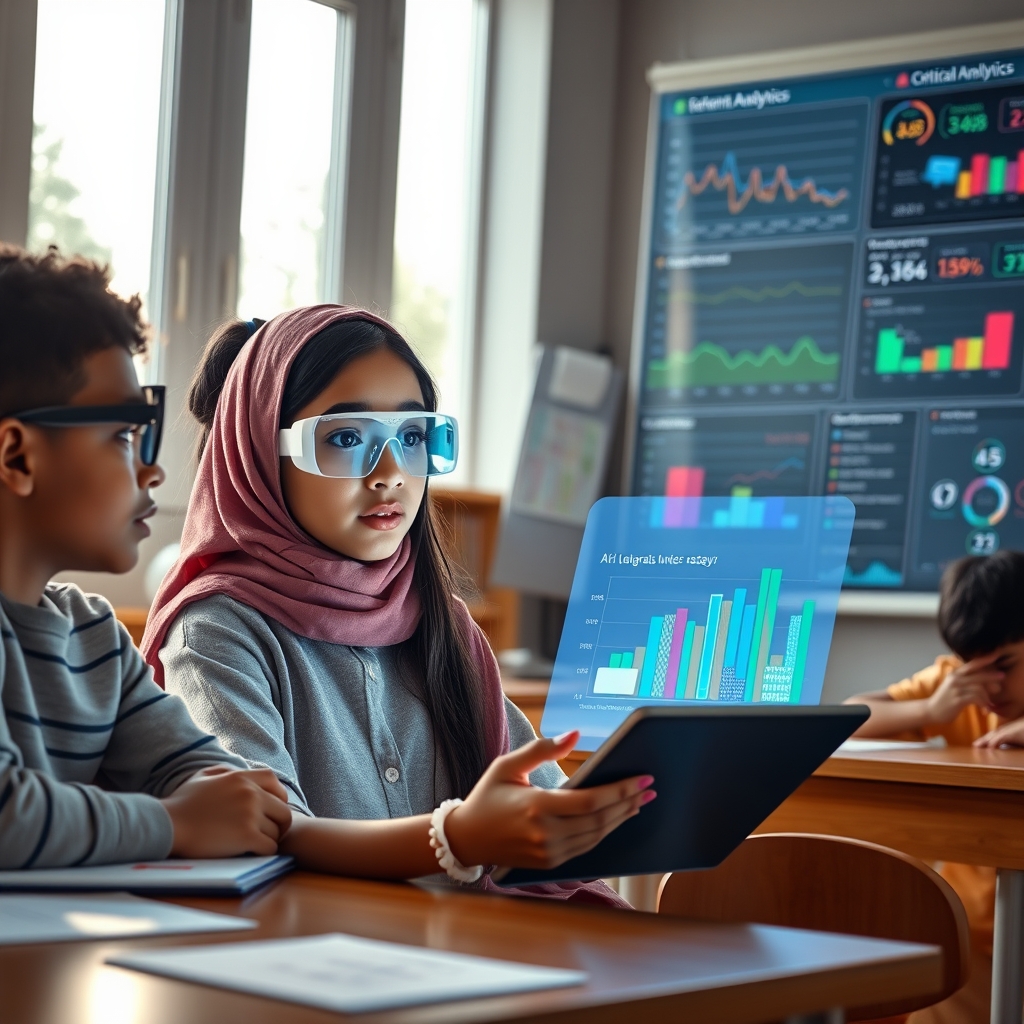
Education is undergoing a profound transformation, driven by the integration of advanced technologies that promise to make learning more dynamic, accessible, and effective. At the heart of this shift are intelligent tutoring systems (ITS) and learning analytics, two powerful tools that are redefining how students engage with knowledge and how educators approach instruction. These innovations are not just enhancing traditional teaching methods; they are paving the way for a future where education is deeply personalized, data-informed, and centered on fostering critical thinking and lifelong learning.
The Rise of Intelligent Tutoring Systems
Intelligent tutoring systems represent a significant leap forward from conventional digital learning platforms. Unlike static online courses or generic educational software, ITS leverage artificial intelligence to simulate one-on-one tutoring experiences. These systems adapt in real-time to a student’s performance, identifying strengths, weaknesses, and learning preferences to deliver tailored instruction. For example, if a student struggles with a particular concept in algebra, the ITS can provide additional explanations, alternative examples, or even adjust the difficulty level of subsequent problems to ensure mastery before moving forward.
The impact of ITS extends beyond individual subjects. In interdisciplinary learning environments, these systems can help students connect concepts across disciplines, such as linking mathematical principles to real-world applications in engineering or physics. This holistic approach not only deepens understanding but also encourages students to think critically about how knowledge is interconnected. Moreover, ITS can support experiential learning by guiding students through simulations or virtual labs, allowing them to experiment and learn from failure in a risk-free environment.
Personalization at Scale
One of the most compelling advantages of intelligent tutoring systems is their ability to deliver personalized learning at scale. Traditional classrooms, no matter how skilled the teacher, often struggle to meet the diverse needs of every student. ITS, however, can analyze vast amounts of data to create individualized learning pathways. This is particularly transformative for inclusive education, where students with varying abilities, learning styles, or backgrounds can receive the support they need to thrive. For instance, a student with dyslexia might benefit from an ITS that adjusts text presentation, provides audio support, or offers extended time for responses, all while maintaining the same learning objectives as their peers.
This level of personalization also extends to pacing. In a traditional classroom, students who grasp concepts quickly may become disengaged, while those who need more time may fall behind. ITS can dynamically adjust the pace of instruction, ensuring that each student is challenged appropriately without feeling overwhelmed or bored. This adaptability is a cornerstone of modern educational equity, as it helps level the playing field for students regardless of their starting point.
Harnessing the Power of Learning Analytics
While intelligent tutoring systems focus on delivering personalized instruction, learning analytics provide the data-driven insights that make such personalization possible. Learning analytics involve the collection, measurement, and analysis of data about learners and their contexts to optimize learning outcomes. By tracking metrics such as engagement levels, time spent on tasks, error patterns, and even emotional responses, educators and institutions can gain a comprehensive understanding of how students learn.
For example, learning analytics can identify trends in student performance that might not be immediately apparent. If a significant number of students in an online degree program are struggling with a particular module, instructors can investigate whether the issue lies with the content, the delivery method, or external factors such as workload. This proactive approach allows educators to intervene early, providing additional resources or adjusting the curriculum to better meet students’ needs. In hybrid learning environments, where students split their time between in-person and online instruction, learning analytics can help bridge the gap by ensuring consistency in the learning experience.
From Data to Action
The true power of learning analytics lies in its ability to turn raw data into actionable insights. For instance, by analyzing patterns in student engagement, educators can identify which teaching methods are most effective for different types of learners. A teacher might discover that students perform better on quizzes after interactive, gamified learning activities rather than traditional lectures. Armed with this knowledge, they can incorporate more gamification into their lessons, thereby increasing motivation and retention.
Learning analytics also play a crucial role in project-based learning (PBL), where students work on complex, real-world problems over extended periods. By tracking progress and collaboration patterns, analytics can help educators assess not only the final outcome of a project but also the process behind it. This holistic evaluation ensures that students are developing essential skills such as critical thinking, problem-solving, and teamwork, which are often difficult to measure through traditional assessments.
Fostering Critical Thinking and Lifelong Learning
The ultimate goal of integrating intelligent tutoring systems and learning analytics into education is not just to improve test scores or graduation rates, but to cultivate a generation of critical thinkers and lifelong learners. In a world where information is abundant but discerning its quality and relevance is increasingly challenging, the ability to think critically is more important than ever. ITS and learning analytics support this by encouraging students to question, analyze, and apply knowledge rather than passively consume it.
For example, an ITS might present a student with a controversial scientific claim and guide them through the process of evaluating its validity. By prompting the student to consider the source, the evidence, and potential biases, the system helps develop the analytical skills necessary to navigate an information-rich world. Similarly, learning analytics can highlight areas where students might be relying too heavily on rote memorization rather than deep understanding, allowing educators to adjust their strategies to promote higher-order thinking.
Moreover, these technologies support the shift toward lifelong learning, a necessity in an era of rapid technological and societal change. By providing personalized, data-informed learning experiences, ITS and learning analytics make education more accessible and adaptable to individuals at all stages of life. Whether it’s a professional seeking to upskill, a retiree exploring a new hobby, or a student pursuing an online degree, these tools ensure that learning remains a continuous, engaging, and rewarding journey.
As we look to the future, the synergy between intelligent tutoring systems and learning analytics will continue to break down barriers in education, making it more inclusive, equitable, and effective. The digital transformation of learning is not about replacing teachers or traditional classrooms, but about augmenting them with tools that empower both educators and students. By embracing these innovations, we can create an educational landscape that values curiosity, fosters resilience, and prepares learners to thrive in an ever-evolving world. The journey has just begun, and the possibilities are as limitless as the minds we seek to empower.



