
Beyond the Classroom: How Extracurricular Learning Shapes Future Success
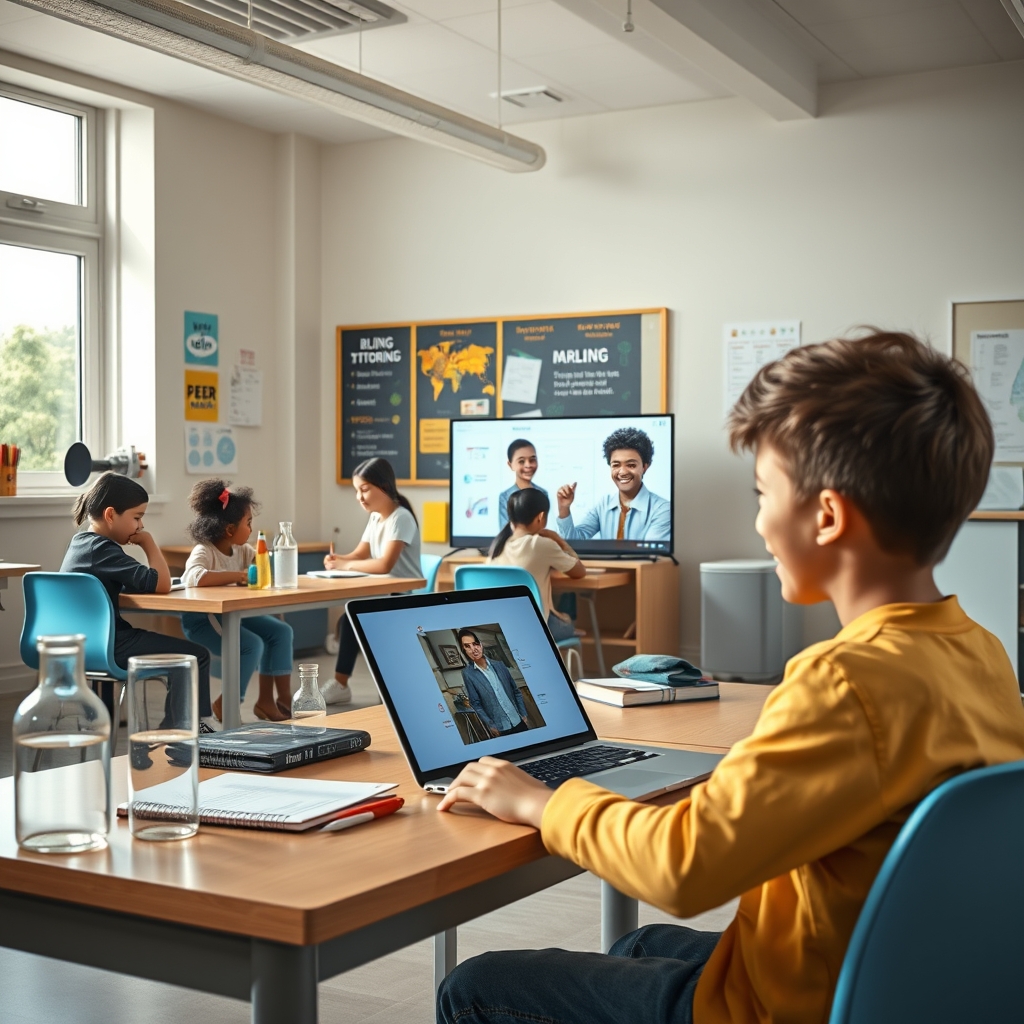
In today’s fast-paced academic environment, the traditional classroom setting often isn’t enough to meet the diverse needs of every student. Whether it’s mastering a difficult subject, preparing for standardized tests, or exploring new interests, supplementary education has become a cornerstone of modern learning. From after-school programs to online tutoring, these opportunities provide students with the tools they need to thrive both academically and personally.
The Rise of Supplementary Education
Supplementary education has evolved far beyond the occasional homework help session. Today, it encompasses a wide range of structured programs designed to reinforce learning, fill knowledge gaps, and even introduce students to advanced topics. Remedial classes, for instance, offer targeted support for students struggling with core subjects like math or reading, ensuring they don’t fall behind. Meanwhile, enrichment programs push high-achieving students to explore subjects beyond the standard curriculum, from coding to creative writing.
Private tutoring remains one of the most popular forms of supplementary education, providing personalized attention that can make all the difference in a student’s academic journey. Unlike classroom learning, where teachers must cater to the needs of an entire group, private tutors tailor their approach to the individual, addressing specific weaknesses and building on strengths. This one-on-one interaction fosters confidence and encourages a deeper understanding of the material.
The Role of After-School Programs
After-school programs have long been a staple of supplementary education, offering a blend of academic support and extracurricular activities. These programs are particularly valuable for working parents who need a safe and productive environment for their children outside of school hours. Beyond homework help, many after-school programs incorporate skill development courses, such as public speaking or financial literacy, which equip students with practical life skills.
Extracurricular activities, often integrated into after-school programs, play a crucial role in holistic development. Whether it’s joining a debate club, participating in a science fair, or learning a musical instrument, these activities help students discover their passions and develop soft skills like teamwork and time management. Research has shown that students who engage in extracurriculars tend to perform better academically, as these experiences foster a sense of discipline and motivation.
Test Preparation and Advanced Learning
For many students, standardized tests like the SAT, ACT, or AP exams are a significant source of stress. Test preparation programs, whether in-person or online, provide structured guidance to help students navigate these challenges. These programs often include practice tests, strategy sessions, and personalized feedback, all of which can significantly improve performance. The rise of digital learning platforms has made test prep more accessible than ever, allowing students to study at their own pace and on their own schedule.
Advanced learning opportunities, such as Advanced Placement (AP) courses or dual enrollment programs, offer students a chance to earn college credit while still in high school. These programs not only challenge students academically but also give them a taste of college-level coursework, preparing them for the rigors of higher education. Similarly, micro-credentials and skill development courses allow students to explore niche subjects, from graphic design to data science, which can enhance their college applications and future career prospects.
The Digital Shift in Supplementary Education
The advent of online tutoring and digital learning platforms has revolutionized supplementary education. Platforms like Khan Academy, Coursera, and Outschool provide students with access to high-quality educational resources from anywhere in the world. Online tutoring, in particular, has broken down geographical barriers, allowing students to connect with expert tutors regardless of their location. This flexibility is especially beneficial for students in remote areas or those with busy schedules.
Peer tutoring is another effective model that has gained traction in recent years. By pairing students with their peers, this approach not only reinforces learning but also builds a sense of community and collaboration. Peer tutors often relate better to their fellow students, making the learning process more engaging and less intimidating. Additionally, serving as a peer tutor can be a rewarding experience, helping students develop leadership skills and a deeper understanding of the subject matter.
Summer School and Beyond
Summer school has traditionally been viewed as a remedial option for students who need to catch up, but its role has expanded significantly. Today, summer programs offer everything from academic reinforcement to enrichment courses in subjects like robotics or foreign languages. These programs prevent the “summer slide,” where students lose academic progress during the break, and provide a structured environment for continuous learning.
Language classes, in particular, have seen a surge in popularity as globalization increases the demand for multilingual professionals. Whether through in-person classes or online platforms like Duolingo or Rosetta Stone, learning a new language opens doors to cultural exchange and career opportunities. Continuing education programs for adults further highlight the importance of lifelong learning, proving that education doesn’t end with a diploma.
Accelerated learning programs, designed for students who want to fast-track their education, are another innovative approach to supplementary education. These programs condense coursework into shorter timeframes, allowing students to complete classes or even entire degrees more quickly. While demanding, accelerated learning can be a game-changer for motivated students looking to enter the workforce or pursue further education ahead of schedule.
As education continues to evolve, supplementary learning opportunities will play an increasingly vital role in shaping the next generation of learners. Whether through private tutoring, online platforms, or extracurricular activities, these programs provide the flexibility and support students need to succeed in an ever-changing world. The key lies in recognizing that learning doesn’t stop at the classroom door—it’s a lifelong journey that thrives on curiosity, adaptability, and the willingness to explore beyond the conventional path.



