
The Synergy of Supplementary Education: How After-School Programs and Online Tutoring Create Lifelong Learners
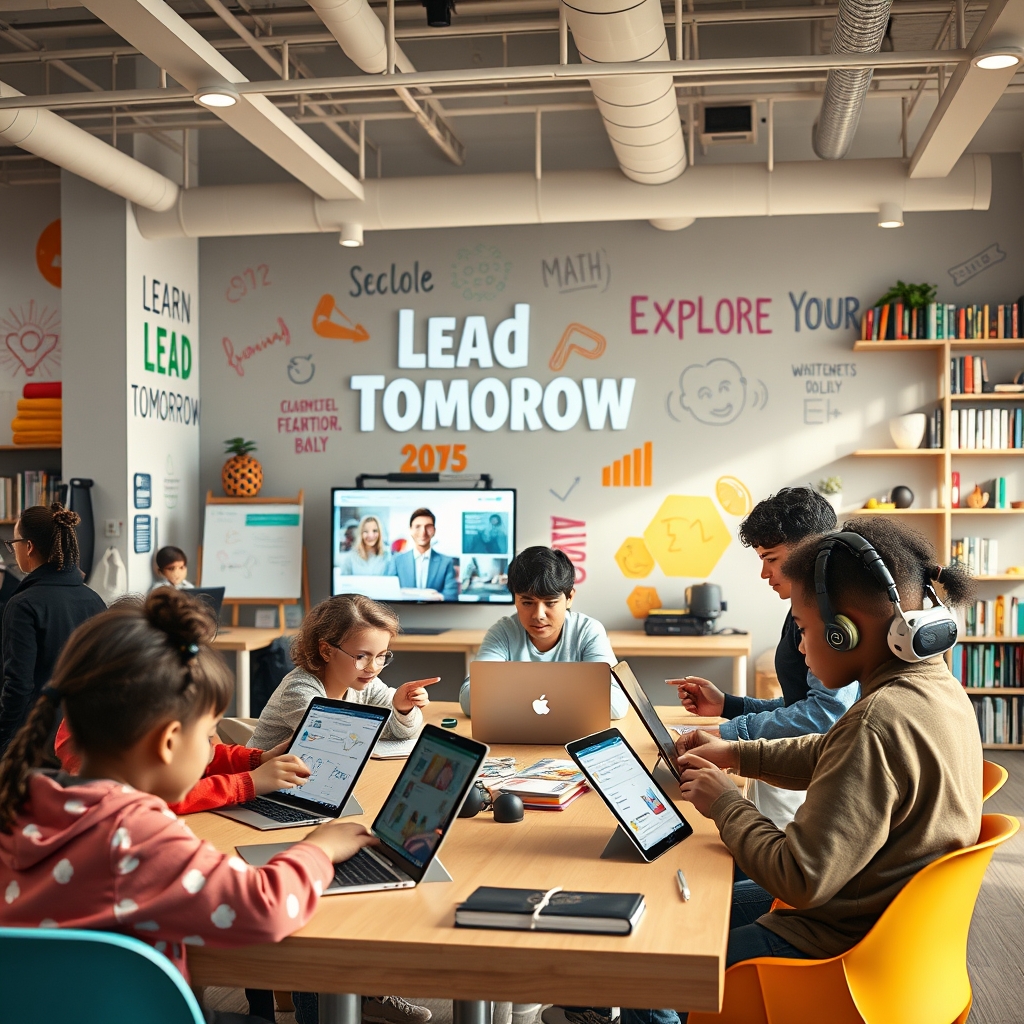
In today’s fast-paced educational landscape, the traditional classroom often struggles to meet the diverse needs of every student. While some learners thrive in structured environments, others require additional support, challenge, or flexibility to unlock their full potential. This is where the power of supplementary education—encompassing after-school programs, online tutoring, remedial classes, and enrichment initiatives—comes into play. These resources do more than just reinforce academic concepts; they foster curiosity, build confidence, and cultivate skills that extend far beyond the confines of a textbook.
The Multifaceted Role of After-School Programs
After-school programs have long been a cornerstone of supplementary education, offering students a safe and engaging space to explore interests outside the standard curriculum. Unlike the rigid structure of a typical school day, these programs provide a blend of academic support, creative expression, and social interaction. For instance, a student struggling with math might benefit from targeted homework help, while another excelling in science could dive deeper into STEM projects through hands-on experiments or coding workshops.
Beyond academics, after-school programs play a crucial role in developing soft skills such as teamwork, leadership, and time management. Activities like debate clubs, robotics teams, or community service projects encourage students to collaborate, think critically, and take initiative—qualities that are invaluable in both higher education and the workforce. Moreover, these programs often serve as a bridge for students who may not have access to extracurricular opportunities at home, leveling the playing field and ensuring equitable growth.
The Digital Transformation of Academic Tutoring
The rise of digital learning platforms has revolutionized the way students access academic support. Online tutoring, in particular, has broken down geographical barriers, making high-quality education accessible to learners regardless of their location. Whether it’s a one-on-one session with a private tutor or an interactive group class, these platforms offer flexibility that traditional tutoring cannot match. Students can schedule sessions at their convenience, revisit recorded lessons, and even choose tutors who specialize in their specific needs, from test preparation to advanced placement courses.
Digital tutoring also leverages adaptive learning technologies, which personalize the educational experience by adjusting content based on a student’s progress. For example, if a learner struggles with algebraic concepts, the platform might provide additional practice problems or explanatory videos until mastery is achieved. This tailored approach not only enhances understanding but also keeps students motivated by ensuring they are neither bored nor overwhelmed. Furthermore, the anonymity of online interactions can reduce the stigma often associated with seeking help, encouraging more students to take advantage of these resources.
The Power of Peer Learning in Supplementary Education
While private tutoring and digital platforms offer undeniable benefits, peer tutoring presents a unique and often underutilized opportunity for academic growth. Collaborative learning environments, where students teach and learn from one another, foster a sense of community and mutual support. Peer tutoring can take many forms, from structured programs where older students mentor younger ones to informal study groups where classmates tackle challenging subjects together.
The advantages of peer tutoring extend beyond improved grades. When students explain concepts to their peers, they reinforce their own understanding and develop communication skills. Additionally, the social aspect of peer learning can make education feel less isolating, particularly for students who may struggle with traditional teaching methods. Programs that incorporate peer tutoring often see higher engagement rates, as students are more likely to participate actively when they feel a sense of camaraderie and shared purpose.
Enrichment Programs: Beyond the Basics
Supplementary education isn’t just about filling gaps—it’s also about pushing boundaries. Enrichment programs, such as summer schools, language classes, or skill development courses, provide students with opportunities to explore subjects they are passionate about or to delve into areas not covered in their regular curriculum. For example, a student interested in medicine might enroll in a summer program that offers hands-on experience in a lab, while another with a flair for languages could immerse themselves in a cultural exchange program.
These programs are particularly valuable for gifted students who may feel unchallenged in a standard classroom setting. By offering advanced coursework, dual enrollment options, or micro-credentials, enrichment programs allow students to accelerate their learning and gain a competitive edge. Moreover, they can spark lifelong interests or even shape future career paths, demonstrating that education is not a one-size-fits-all journey but a dynamic and evolving process.
Integrating Technology and Tradition
The most effective supplementary education strategies often blend traditional methods with modern technology. For instance, a remedial class might use digital tools to identify a student’s specific weaknesses, then pair them with a tutor for personalized instruction. Similarly, an after-school program could combine in-person mentorship with online resources, such as digital learning platforms or virtual study groups, to create a hybrid model that maximizes engagement and accessibility.
This integration also extends to parents and educators, who play a pivotal role in supporting students’ supplementary education journeys. By leveraging data from online platforms, teachers can gain insights into a student’s progress and tailor their instruction accordingly. Parents, too, can use these tools to stay informed and involved in their child’s learning, ensuring that supplementary education complements rather than competes with their regular academic responsibilities.
As education continues to evolve, the synergy between after-school programs, online tutoring, and enrichment initiatives will only grow stronger. These resources do more than just supplement learning—they redefine it, offering students the tools, confidence, and opportunities they need to thrive in an ever-changing world. Whether through the collaborative energy of peer tutoring, the personalized precision of digital platforms, or the exploratory freedom of enrichment programs, supplementary education is not just an add-on; it is a vital component of a holistic and empowering learning experience.



