
The Pulse of Progress: How AI and Learning Analytics Are Crafting the Future of Personalized and Inclusive Education
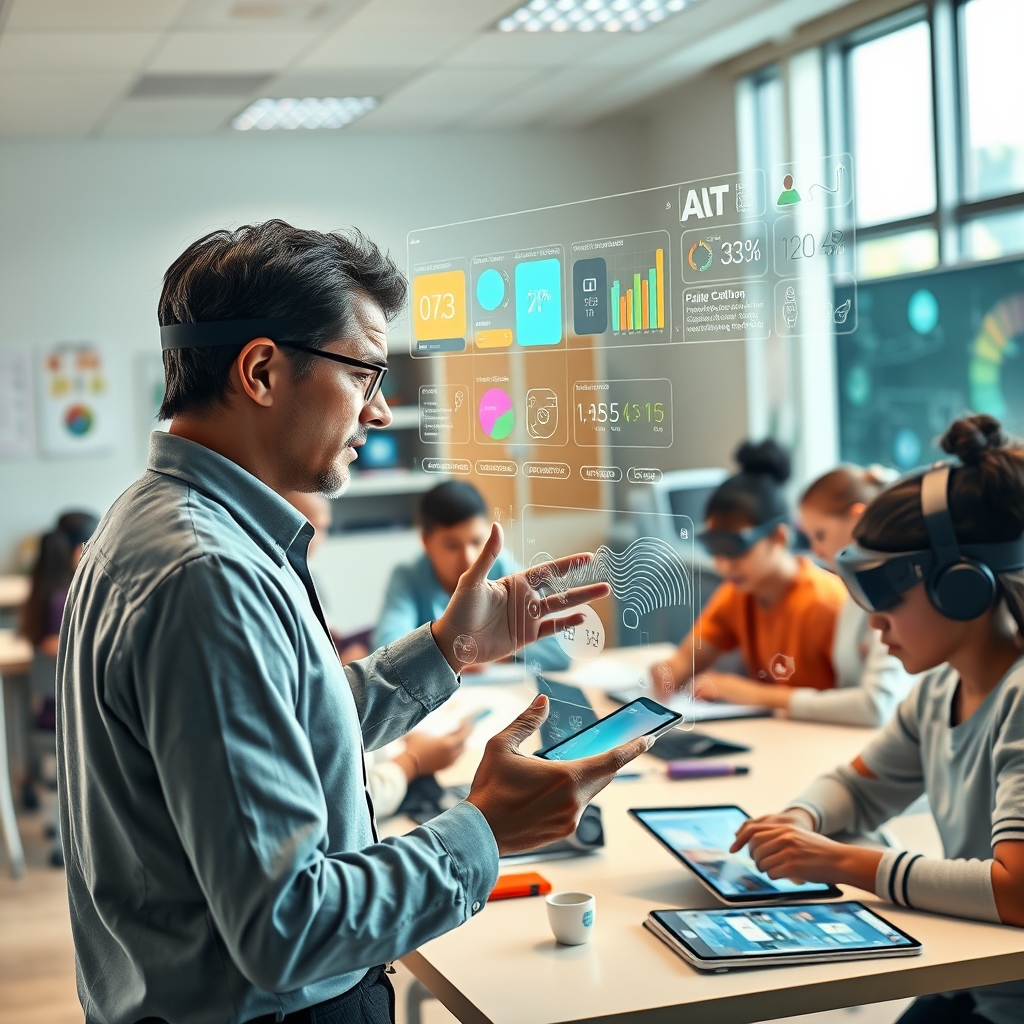
In the ever-evolving landscape of education, the fusion of artificial intelligence (AI) and learning analytics is emerging as a transformative force, reshaping how knowledge is delivered, absorbed, and applied. This synergy is not just about automating tasks or streamlining processes; it’s about creating a dynamic, responsive educational ecosystem that adapts to the unique needs of every learner. As classrooms—both physical and virtual—become increasingly data-driven, the potential to foster personalized learning experiences while advancing educational equity has never been more tangible.
The Data-Driven Classroom: Beyond One-Size-Fits-All
Traditional education models have long operated on the assumption that one size fits all, delivering standardized content at a uniform pace. However, this approach often leaves behind students who learn differently, whether due to cognitive diversity, socioeconomic barriers, or varying levels of prior knowledge. AI and learning analytics are dismantling this outdated paradigm by harnessing the power of data to create adaptive learning environments. These systems analyze vast amounts of information—from engagement metrics to assessment performance—to identify patterns and tailor instruction in real time.
For instance, intelligent tutoring systems (ITS) leverage machine learning algorithms to adjust the difficulty of tasks, provide targeted feedback, and even predict when a student might struggle with a concept. This level of personalization ensures that learners are neither bored by material that’s too easy nor overwhelmed by content that’s too challenging. The result? A more engaging, effective, and inclusive learning experience that meets students where they are.
Bridging Gaps with Inclusive Design
Educational equity has long been a pressing challenge, with disparities in access, resources, and outcomes persisting across demographics. AI and learning analytics are proving to be powerful tools in bridging these gaps by enabling inclusive design principles. For example, generative AI tools can create multilingual content, provide real-time translations, or even generate alternative formats for students with disabilities, such as audio descriptions for visually impaired learners or simplified text for those with cognitive differences.
Moreover, learning analytics can identify at-risk students early, allowing educators to intervene with personalized support before minor setbacks become major obstacles. By analyzing data on attendance, participation, and performance, AI systems can flag students who may need additional resources, mentorship, or alternative learning pathways. This proactive approach not only levels the playing field but also ensures that every student has the opportunity to thrive.
The Role of Educators in an AI-Augmented World
While AI and learning analytics are revolutionizing education, they are not replacing educators—they are empowering them. Teachers are no longer confined to the role of content deliverers; instead, they are evolving into facilitators, mentors, and designers of learning experiences. AI handles the heavy lifting of data analysis, freeing educators to focus on what they do best: fostering critical thinking, creativity, and human connection.
For example, AI-driven dashboards can provide teachers with actionable insights into student progress, highlighting areas where individual or group interventions may be needed. This data-driven approach allows educators to differentiate instruction more effectively, ensuring that no student falls through the cracks. Additionally, AI can assist in designing interdisciplinary projects that integrate real-world problem-solving, further enriching the learning experience.
The Future of Lifelong Learning
In a world where skills become obsolete at an unprecedented rate, lifelong learning is no longer a luxury—it’s a necessity. AI and learning analytics are making continuous education more accessible and relevant by enabling microlearning and just-in-time training. Platforms powered by AI can curate personalized learning paths based on an individual’s career goals, interests, and skill gaps, delivering bite-sized content that fits seamlessly into busy schedules.
For professionals, this means the ability to upskill or reskill without the need for lengthy, traditional degree programs. AI-driven platforms can recommend courses, certifications, or even project-based learning opportunities that align with industry demands. This flexibility not only democratizes access to education but also ensures that learners remain competitive in an ever-changing job market.
Ethical Considerations and the Path Forward
As with any technological advancement, the integration of AI and learning analytics in education raises important ethical questions. Issues such as data privacy, algorithmic bias, and the digital divide must be addressed to ensure that these tools are used responsibly and equitably. Transparent data policies, inclusive design practices, and ongoing monitoring of AI systems are essential to mitigating risks and building trust among educators, students, and parents.
Furthermore, the success of AI in education hinges on collaboration between technologists, educators, policymakers, and learners. By working together, these stakeholders can ensure that AI tools are designed with the needs of diverse learners in mind, rather than as one-size-fits-all solutions. This collaborative approach will be key to unlocking the full potential of AI and learning analytics in creating a more equitable, adaptive, and engaging educational landscape.
The fusion of AI and learning analytics is not just a trend—it’s a fundamental shift in how we approach education. By harnessing the power of data to personalize learning, bridge equity gaps, and empower educators, we are laying the foundation for a future where every learner has the opportunity to succeed. As these technologies continue to evolve, they will undoubtedly redefine the boundaries of what’s possible in education, creating a world where learning is not just a destination but a lifelong journey of discovery and growth.



