
The AI Revolution in Education: How Gamified and Microlearning Approaches Are Democratizing Lifelong Learning
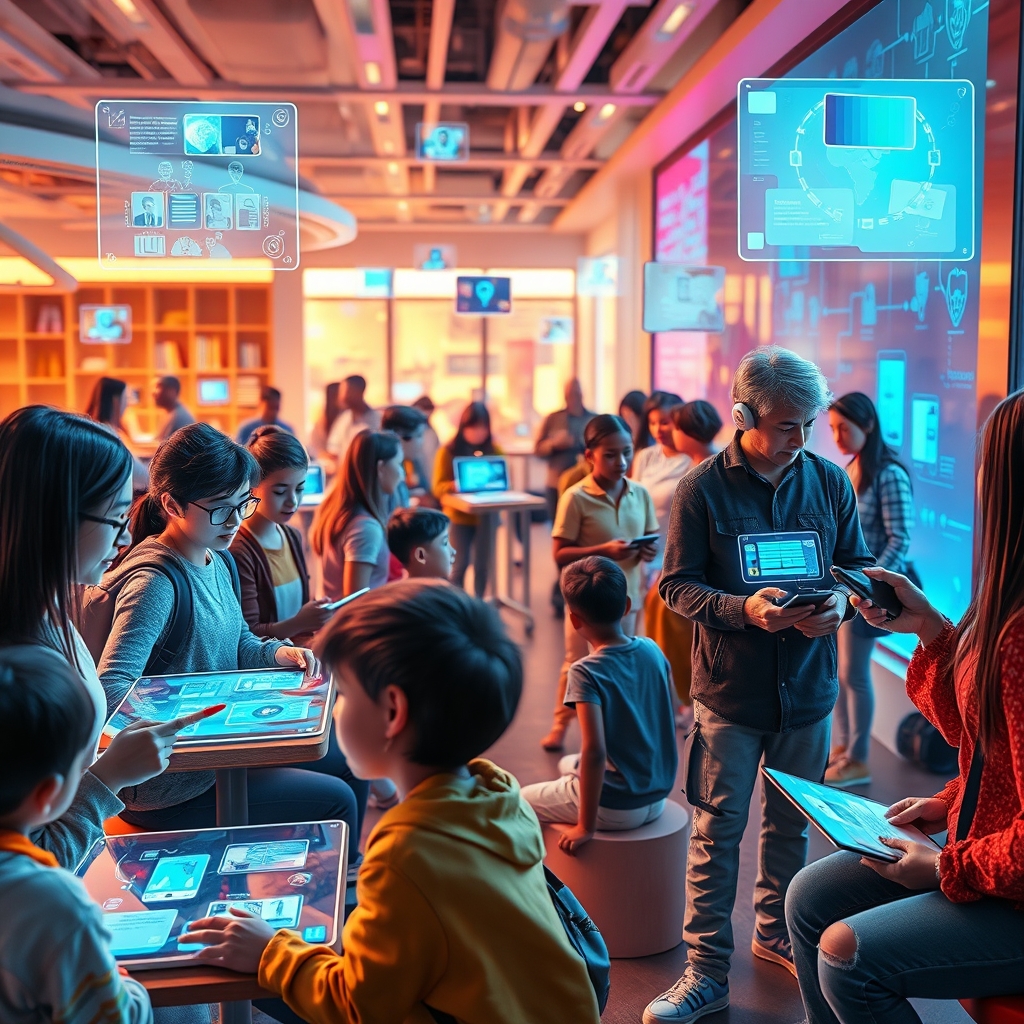
In an era where knowledge evolves at an unprecedented pace, the traditional models of education are being reshaped by the relentless march of technology. At the heart of this transformation lies artificial intelligence, a force that is not only redefining how we learn but also who gets to learn. The fusion of AI with gamified and microlearning strategies is breaking down barriers, making education more accessible, engaging, and tailored to the needs of diverse learners. This shift is not just about keeping up with technological advancements; it’s about democratizing learning and ensuring that education remains a lifelong pursuit, not a one-time event.
The Power of Microlearning in an AI-Driven World
Microlearning, the practice of delivering content in small, focused bursts, has emerged as a game-changer in the educational landscape. Unlike traditional learning models that often overwhelm students with lengthy lectures and dense textbooks, microlearning leverages the power of brevity and relevance. AI takes this a step further by analyzing individual learning patterns and delivering bite-sized lessons that align with a learner’s pace, preferences, and goals. For instance, platforms like Duolingo and Khan Academy use AI to adapt lessons in real-time, ensuring that learners are neither bored by material that’s too easy nor frustrated by content that’s too challenging.
The benefits of microlearning extend beyond convenience. Research shows that the human brain retains information more effectively when it is presented in short, digestible chunks. AI enhances this effect by personalizing the content, ensuring that each micro-lesson builds on the learner’s existing knowledge while introducing new concepts in a way that feels natural and engaging. This approach is particularly valuable in professional development, where busy adults need to upskill or reskill without committing to lengthy, time-consuming courses. By breaking down complex topics into manageable pieces, AI-powered microlearning makes continuous education a realistic goal for everyone, regardless of their schedule or background.
Gamification: Turning Learning into an Engaging Adventure
If microlearning is the vehicle for delivering content, gamification is the engine that drives engagement. Gamified learning transforms education into an interactive experience, where learners are motivated by challenges, rewards, and a sense of progress. AI amplifies this effect by creating dynamic, adaptive environments that respond to the learner’s actions in real-time. For example, platforms like Kahoot! and Quizlet use AI to generate personalized quizzes and games that reinforce learning through repetition and competition. These tools make education feel less like a chore and more like a journey of discovery, where every milestone is celebrated and every setback is an opportunity to improve.
The psychological principles behind gamification are well-documented. Elements like points, badges, leaderboards, and progress bars tap into the brain’s reward system, releasing dopamine and creating a sense of accomplishment. AI takes this a step further by tailoring the gamified experience to the individual. For instance, an AI-driven platform might adjust the difficulty of a game based on the learner’s performance, ensuring that they are always challenged but never overwhelmed. This level of personalization is particularly effective in engaging learners who might otherwise struggle with traditional educational methods, such as those with attention deficits or learning disabilities. By making learning fun and interactive, gamification not only boosts retention but also fosters a love for learning that extends beyond the classroom.
Bridging Gaps with Inclusive and Equitable Learning
One of the most profound impacts of AI-driven gamified and microlearning approaches is their potential to bridge educational gaps and promote equity. Traditional education systems often favor those with access to resources, leaving marginalized communities at a disadvantage. AI levels the playing field by providing personalized, accessible, and affordable learning opportunities to anyone with an internet connection. For example, AI-powered platforms can offer multilingual support, ensuring that language barriers do not hinder learning. They can also adapt content for learners with disabilities, such as providing audio descriptions for visually impaired students or simplified text for those with cognitive challenges.
Moreover, gamified and microlearning approaches make education more engaging for learners who might otherwise drop out or lose interest. For instance, students in underfunded schools or remote areas can access high-quality, interactive content that keeps them motivated and invested in their education. AI can also identify at-risk students early on, providing targeted interventions to keep them on track. By making learning more inclusive and equitable, AI is not just improving educational outcomes; it’s transforming lives and empowering communities.
The Future of Lifelong Learning: A Seamless, AI-Powered Journey
The concept of lifelong learning is not new, but AI is making it more attainable than ever before. In a world where skills become obsolete almost as quickly as they are acquired, the ability to learn continuously is no longer a luxury—it’s a necessity. AI-powered microlearning and gamification are turning lifelong learning into a seamless, integrated part of daily life. Imagine a world where your smartphone not only reminds you to take a five-minute lesson on a new skill but also adapts the content based on your progress, interests, and even your mood. This is not a distant dream; it’s a reality that is already taking shape.
For professionals, AI-driven microlearning platforms offer a way to stay ahead of industry trends without sacrificing their work or personal lives. For students, gamified learning makes education an exciting adventure rather than a tedious obligation. For educators, AI provides valuable insights into student performance, enabling them to tailor their teaching strategies to meet individual needs. The result is a learning ecosystem that is flexible, adaptive, and inclusive, where education is not confined to the walls of a classroom or the pages of a textbook but is a dynamic, ongoing journey.
As we stand on the brink of this educational revolution, it’s clear that AI is not just a tool but a catalyst for change. By harnessing the power of gamified and microlearning approaches, we can create a future where education is accessible to all, engaging for everyone, and limitless in its potential. The question is no longer whether AI will transform education, but how quickly we can embrace these innovations to unlock the full potential of every learner, regardless of their age, background, or circumstances. The journey has just begun, and the possibilities are as vast as the human imagination.



