
The Language of the World: How Study Abroad Programs Accelerate Foreign Language Fluency and Cultural Understanding
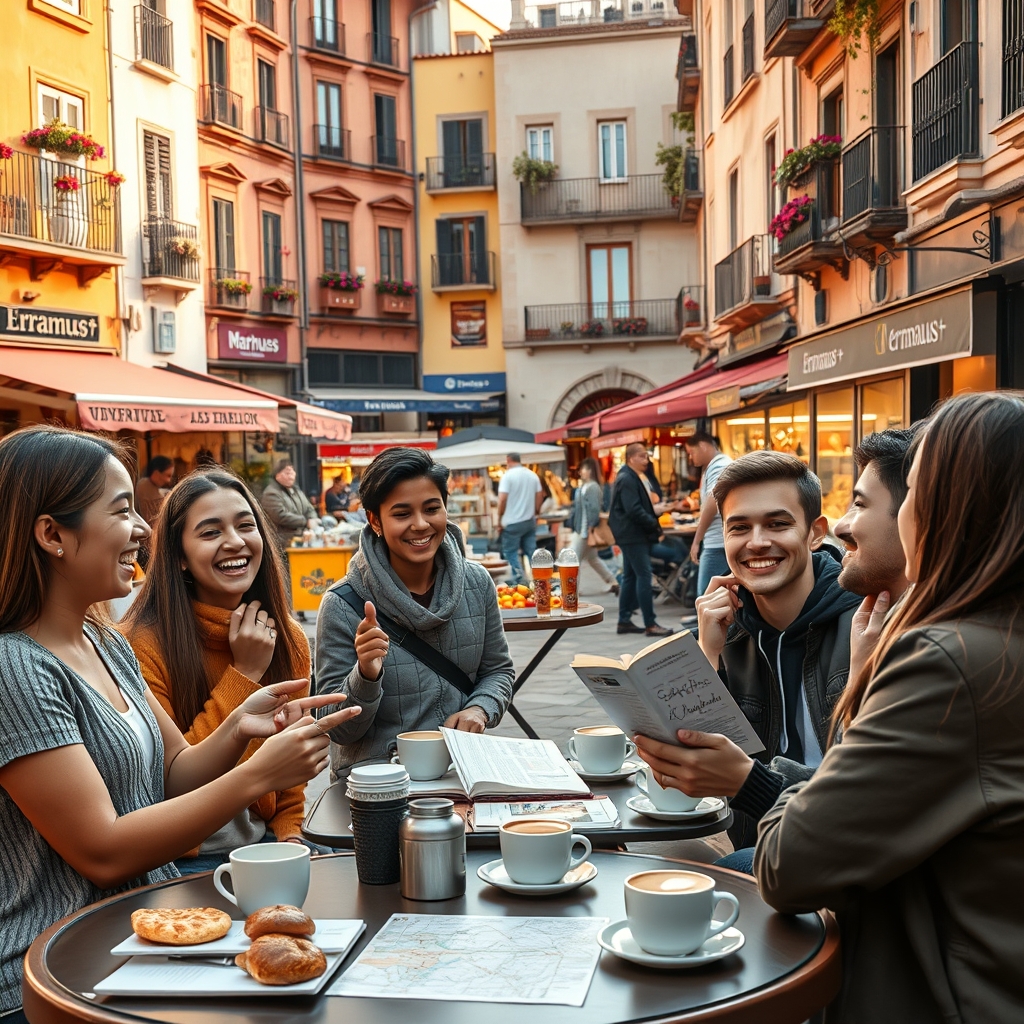
In an increasingly interconnected world, the ability to communicate across linguistic and cultural boundaries has become more than a skill—it’s a necessity. For students seeking to break down these barriers, study abroad programs offer an unparalleled opportunity to immerse themselves in a new language while gaining firsthand experience of the culture that shapes it. Unlike traditional classroom learning, where vocabulary and grammar are often abstract concepts, studying abroad transforms language acquisition into a lived experience, where every conversation, street sign, and social interaction becomes a lesson in fluency and cultural nuance.
The Power of Immersion: Why Classrooms Can’t Compete
Language learning in a classroom setting, while structured and systematic, often lacks the spontaneity and real-world application that true fluency demands. Students may memorize verb conjugations and vocabulary lists, but without the pressure and excitement of using the language in daily life, retention and confidence can stagnate. Study abroad programs dismantle this limitation by placing students in environments where the target language is not just taught but lived. Whether ordering coffee at a local café, navigating public transportation, or debating ideas in a university seminar, students are constantly challenged to think, respond, and adapt in real time.
Research in second language acquisition consistently highlights the advantages of immersion. A study published in the Modern Language Journal found that students who studied abroad demonstrated significantly higher levels of oral proficiency and listening comprehension compared to their peers who remained in domestic language programs. The reason? Immersion forces learners to process language at natural speeds, decipher regional accents, and interpret non-verbal cues—skills that are nearly impossible to replicate in a controlled classroom environment.
Beyond Words: The Role of Cultural Exchange in Language Mastery
Language is not merely a tool for communication; it is a reflection of a culture’s history, values, and worldview. Idioms, humor, and even silence carry meanings that are deeply rooted in cultural context. For example, the Japanese concept of kuidaore—the idea of eating oneself into bankruptcy—would lose its richness if translated literally without understanding its cultural significance. Study abroad programs provide students with the opportunity to experience these nuances firsthand, allowing them to move beyond textbook definitions and into the realm of cultural empathy.
Cultural exchange programs, such as those facilitated by the Erasmus Plus Scholarship or host family placements, amplify this effect by embedding students in local communities. Living with a host family, for instance, exposes students to the rhythms of daily life, from mealtime conversations to weekend traditions. These interactions foster not only linguistic fluency but also intercultural competence—the ability to navigate and appreciate cultural differences with sensitivity and adaptability. As students begin to think and dream in the target language, they develop a deeper, more intuitive understanding of its cultural underpinnings.
The Challenge of Adaptability: Stepping Outside the Comfort Zone
While the benefits of language immersion are clear, the journey is not without its challenges. Many students experience an initial phase of frustration, known as the “silent period,” where they struggle to express themselves and may feel overwhelmed by the speed and complexity of native speech. This discomfort, however, is a critical part of the learning process. It forces students to develop resilience, problem-solving skills, and a willingness to embrace ambiguity—qualities that are invaluable in both personal and professional contexts.
Short-term study abroad programs, such as summer language intensives or semester exchanges, are particularly effective in helping students push through these early challenges. By providing structured support—such as pre-departure orientation sessions and on-site language partners—these programs create a safety net that encourages risk-taking. Students learn that making mistakes is not a failure but a natural step toward mastery. Over time, this mindset shift transforms language learning from a daunting task into an exciting adventure.
The Digital Bridge: Virtual Exchange Programs as a Complement to Immersion
For students who may not have the opportunity to study abroad due to financial, academic, or personal constraints, virtual exchange programs offer a compelling alternative. Platforms like Soliya and Global Nomads Group connect students from different countries through structured online dialogues, collaborative projects, and cultural workshops. While these programs cannot fully replicate the immersive experience of living in a foreign country, they provide a valuable stepping stone by exposing students to diverse perspectives and real-time language practice.
Virtual exchanges also serve as a powerful complement to traditional study abroad programs. Students who participate in both formats often report higher levels of confidence and preparedness when they eventually travel abroad. The digital environment allows them to build foundational language skills and cultural awareness before stepping onto a plane, making the transition to in-person immersion smoother and more rewarding.
From Fluency to Global Citizenship: The Long-Term Impact
The benefits of studying abroad extend far beyond language proficiency. Students who engage in these programs often return with a broader worldview, a heightened sense of empathy, and a deeper appreciation for diversity. They develop the ability to see the world through multiple lenses, a skill that is increasingly valuable in today’s globalized workforce. Employers across industries—from international business to diplomacy—prioritize candidates who demonstrate intercultural competence, adaptability, and strong communication skills, all of which are cultivated through study abroad experiences.
Moreover, the friendships and professional networks formed during study abroad programs can last a lifetime. Alumni of programs like Erasmus Plus often describe their experiences as transformative, not just for their language skills but for their personal growth. They return home with a sense of confidence and independence, having navigated the challenges of living in a foreign country and emerged stronger for it. These experiences shape their identities, influencing their career paths, personal values, and even their future travel plans.
As the world continues to shrink through technology and globalization, the ability to communicate across cultures will only grow in importance. Study abroad programs offer more than just a chance to learn a new language—they provide a gateway to understanding the world in all its complexity. By stepping outside their comfort zones, students don’t just gain fluency; they gain the tools to become true global citizens, capable of bridging divides and building connections that transcend borders. The journey may begin with a single word, but its impact resonates far beyond the classroom, shaping lives and communities in ways that last a lifetime.



