
AI and the New Era of Lifelong Learning: How Microlearning and Intelligent Tutoring Are Shaping Continuous Education
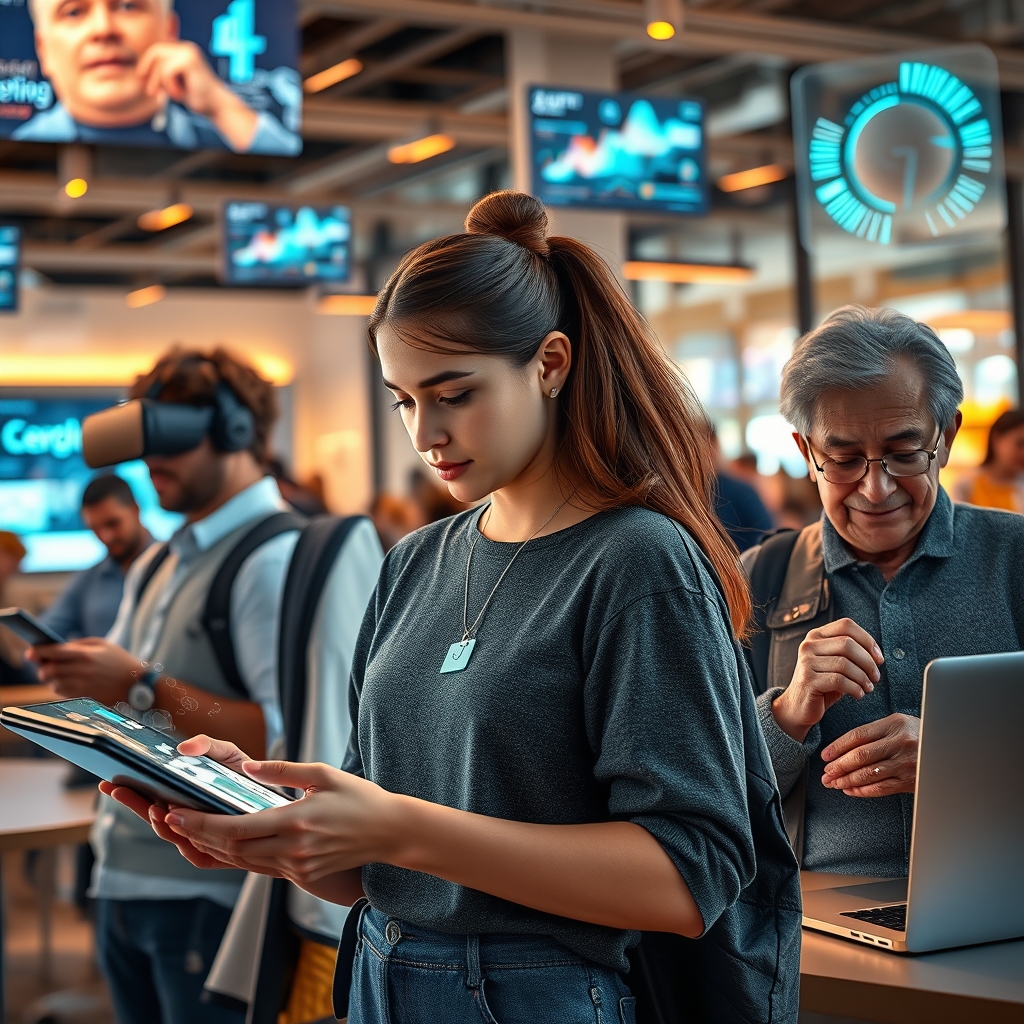
The rapid evolution of technology has transformed the way we live, work, and learn. In this digital age, education is no longer confined to the traditional classroom or limited to a specific phase of life. Instead, learning has become a continuous, lifelong journey, fueled by the need to adapt to an ever-changing world. At the heart of this transformation lies the integration of artificial intelligence (AI) into education, particularly through microlearning and intelligent tutoring systems. These innovations are not only making learning more accessible but also more personalized, engaging, and effective for learners of all ages and backgrounds.
The Rise of Microlearning in the Digital Age
Microlearning, a method of delivering content in small, bite-sized chunks, has gained significant traction in recent years. This approach aligns perfectly with the fast-paced nature of modern life, where time is a precious commodity. AI-powered microlearning platforms leverage data analytics to break down complex topics into manageable segments, ensuring that learners can absorb information efficiently without feeling overwhelmed. Whether it’s a five-minute video, an interactive quiz, or a quick simulation, microlearning caters to the needs of busy professionals, students, and lifelong learners alike.
One of the key advantages of microlearning is its flexibility. Learners can engage with content anytime, anywhere, using their preferred devices. This accessibility is particularly beneficial for those who may not have the time or resources to commit to traditional, long-form education. Moreover, AI-driven microlearning platforms can adapt to individual learning styles, delivering content in formats that resonate most with each user. For example, visual learners might receive infographics or short videos, while auditory learners could benefit from podcasts or audio summaries.
Intelligent Tutoring Systems: Personalized Learning at Scale
Intelligent tutoring systems (ITS) represent another groundbreaking application of AI in education. These systems use machine learning algorithms to provide personalized instruction, mimicking the one-on-one attention of a human tutor. By analyzing a learner’s performance, strengths, and weaknesses, ITS can tailor lessons to address specific needs, ensuring that no student is left behind. This level of personalization is particularly valuable in large classrooms or online learning environments, where individualized attention is often limited.
ITS are not just about delivering content; they also foster critical thinking and problem-solving skills. For instance, an AI tutor in a STEM subject might present a student with a challenging problem and guide them through the solution process, offering hints and feedback along the way. This interactive approach not only reinforces learning but also builds confidence, as students receive immediate support when they encounter difficulties. Additionally, ITS can track progress over time, providing learners and educators with valuable insights into areas that require further attention.
The Role of AI in Promoting Educational Equity
One of the most promising aspects of AI in education is its potential to bridge gaps and promote equity. Traditional education systems often struggle to accommodate the diverse needs of learners, particularly those from underrepresented or marginalized communities. AI-powered tools, however, can help level the playing field by providing personalized learning experiences that cater to individual strengths and challenges. For example, students with learning disabilities can benefit from AI-driven assistive technologies, such as speech-to-text tools or adaptive learning platforms, which make education more inclusive and accessible.
Furthermore, AI can help address the digital divide by making high-quality educational resources available to learners in remote or underserved areas. Online degree programs and hybrid learning models, powered by AI, enable students to access world-class education without the need for physical relocation. This democratization of education is a critical step toward creating a more equitable society, where opportunities for growth and development are not limited by geography or socioeconomic status.
Blending AI with Experiential and Interdisciplinary Learning
While AI excels at delivering personalized content and instruction, its true potential lies in its ability to enhance experiential and interdisciplinary learning. Experiential learning, which emphasizes hands-on, real-world experiences, is a powerful way to engage students and deepen their understanding of complex concepts. AI can augment this approach by creating immersive simulations, virtual labs, or gamified learning environments that allow students to apply their knowledge in practical settings. For example, an AI-powered virtual reality (VR) simulation could enable medical students to practice surgical procedures in a risk-free environment, or engineering students to design and test prototypes in a digital workspace.
Interdisciplinary learning, which integrates multiple subjects or fields of study, is another area where AI can make a significant impact. By breaking down the silos between disciplines, AI-driven platforms can help students develop a holistic understanding of complex issues, such as climate change or global health. For instance, an AI tutor could guide students through a project that combines elements of science, technology, engineering, and mathematics (STEM) with social studies, economics, and ethics, fostering critical thinking and creativity.
The Future of Lifelong Learning: A Synergy of AI and Human Ingenuity
As we look to the future, it is clear that AI will play an increasingly central role in shaping the landscape of lifelong learning. However, it is important to remember that AI is not a replacement for human educators but rather a tool that can amplify their impact. The most effective learning experiences will be those that combine the precision and personalization of AI with the empathy, creativity, and inspiration that only human teachers can provide. By embracing this synergy, we can create a future where education is not just a means to an end but a lifelong journey of discovery, growth, and empowerment.
The integration of AI into education is not just about keeping up with technological advancements; it is about reimagining what learning can be. Whether through microlearning, intelligent tutoring, or experiential and interdisciplinary approaches, AI is opening up new possibilities for learners around the world. As we continue to explore these innovations, we move closer to a future where education is truly inclusive, accessible, and tailored to the unique needs of every individual. In this new era of lifelong learning, the only limit to what we can achieve is our imagination.



