
The Art of Micro Camping: Small Adventures with Big Educational Impact
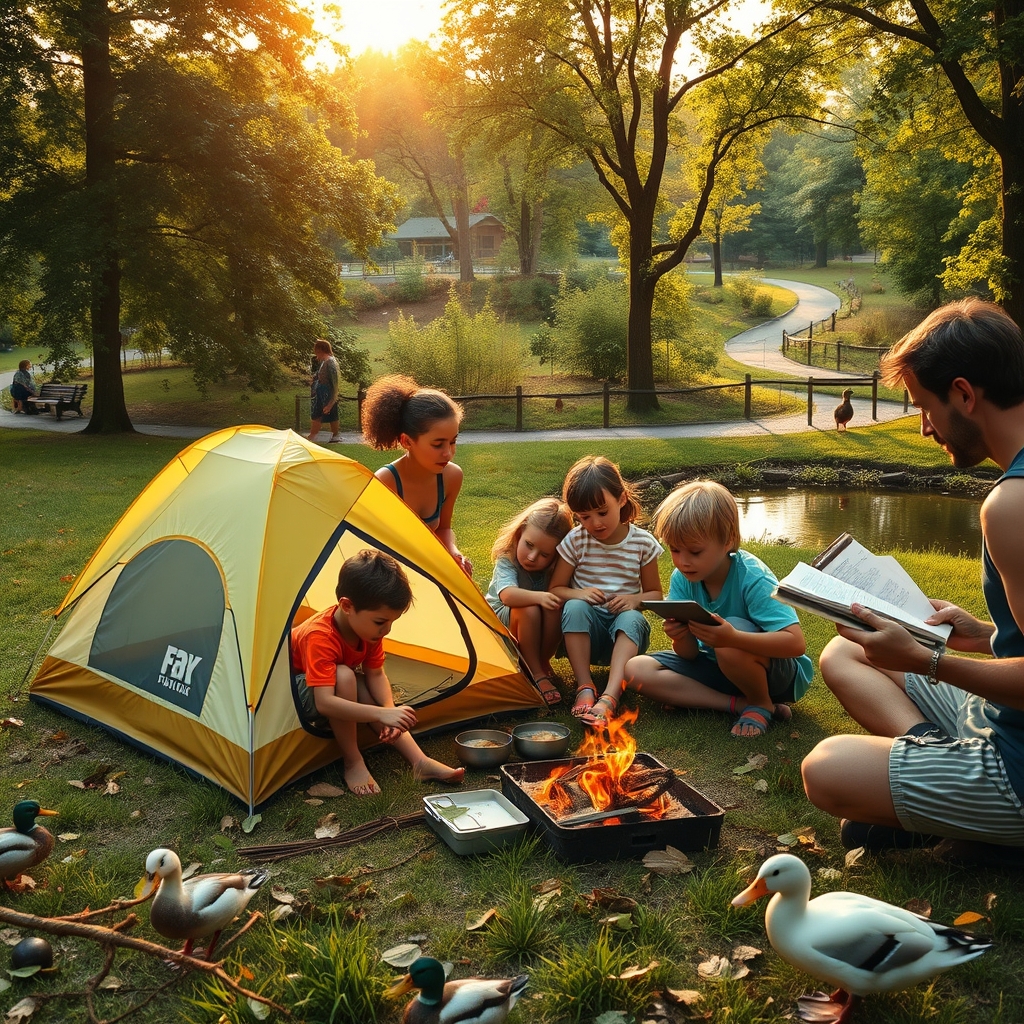
In an era where screens dominate attention and urban landscapes stretch endlessly, the call of the wild has never been more urgent—or more accessible. While grand expeditions and week-long wilderness retreats capture the imagination, there’s a quieter, more approachable revolution happening in education: micro camping. These bite-sized adventures, often lasting just a night or two, are proving that transformative learning doesn’t require vast distances or elaborate gear. Instead, it thrives in the simplicity of a backyard, a local park, or a nearby wooded trail, where curiosity and connection take center stage.
The Philosophy Behind Micro Camping
Micro camping is rooted in the belief that experiential learning doesn’t need to be grandiose to be meaningful. It strips away the barriers—time, cost, and complexity—that often prevent people from engaging with outdoor education. By focusing on short, intentional experiences, micro camping makes nature accessible to everyone, from young children to busy adults. It’s a gateway to deeper exploration, a way to dip toes into the water before diving in.
At its core, micro camping aligns with the principles of place-based education and field-based inquiry. It encourages learners to engage deeply with their immediate surroundings, fostering a sense of stewardship and belonging. Whether it’s setting up a tent in a suburban backyard or spending a night in a state park just a few miles from home, the goal is the same: to cultivate a relationship with the natural world, one small adventure at a time.
Why Small Adventures Yield Big Results
The educational benefits of micro camping are as vast as the landscapes it explores. For starters, these experiences are inherently hands-on learning opportunities. Participants learn to pitch a tent, build a fire, navigate using a map, and identify local flora and fauna—skills that are both practical and empowering. There’s something profoundly satisfying about mastering these tasks, especially for young learners who may never have had the chance to try them before.
Micro camping also fosters self-directed study and cooperative learning. Without the structure of a traditional classroom, participants must rely on their own problem-solving skills and collaborate with others to overcome challenges. Whether it’s figuring out how to cook a meal over a camp stove or deciding the best route for a short hike, these moments build confidence and resilience. They teach adaptability, a skill that’s invaluable in both academic and real-world settings.
The Role of Citizen Science and Environmental Education
One of the most exciting aspects of micro camping is its potential to integrate citizen science projects and environmental education. Imagine setting up a small campsite in a local park and using the opportunity to document wildlife, test water quality, or track weather patterns. These activities not only deepen scientific understanding but also instill a sense of responsibility toward the environment. Learners begin to see themselves as active participants in the natural world, rather than passive observers.
For example, a group of students might spend a night camping near a pond and use the time to collect data on amphibian populations. They could submit their findings to a larger citizen science initiative, contributing to real-world research while learning about ecosystems and biodiversity. These experiences make science tangible and relevant, bridging the gap between theory and practice.
Adventure Education in a Compact Package
Micro camping is also a form of adventure education, albeit on a smaller scale. It introduces participants to the thrill of the unknown, the joy of discovery, and the satisfaction of overcoming obstacles. Even in a familiar setting, the act of sleeping outdoors—listening to the sounds of nature, feeling the cool night air, and gazing at the stars—can be a transformative experience. It’s a reminder that adventure isn’t about distance; it’s about mindset.
For educators and parents, micro camping offers a low-risk way to introduce children to outdoor skills and safety. It’s an opportunity to teach them how to assess risks, make decisions, and trust their instincts. These are lessons that extend far beyond the campsite, shaping how young people approach challenges in all areas of life.
Making Micro Camping Accessible and Inclusive
One of the greatest strengths of micro camping is its accessibility. Unlike traditional camping trips, which often require expensive gear, extensive planning, and time off work or school, micro camping can be as simple or as elaborate as you make it. A backyard campout with a borrowed tent and a homemade meal can be just as meaningful as a night in a designated campsite. This flexibility makes it an ideal option for families, schools, and community groups looking to incorporate outdoor education into their routines.
Micro camping also lends itself well to service learning and community-based learning. For instance, a group of students might organize a micro camping trip to a local nature reserve, combining outdoor skills with a service project like trail maintenance or invasive species removal. These experiences reinforce the idea that learning and giving back go hand in hand, creating a sense of purpose and connection to the community.
Tips for Getting Started
If you’re new to micro camping, here are a few tips to help you get started:
- Start small: Choose a location close to home, like your backyard or a nearby park. The goal is to build confidence and comfort with the basics before venturing farther afield.
- Keep it simple: You don’t need fancy gear to enjoy micro camping. A basic tent, sleeping bag, and some warm layers are enough to get started. Focus on the experience, not the equipment.
- Plan activities: Incorporate hands-on learning by planning activities like stargazing, nature journaling, or wildlife observation. These can be tailored to the interests and ages of the participants.
- Embrace the unexpected: Micro camping is as much about flexibility as it is about preparation. Rain, wind, or unexpected visitors (like curious squirrels) can turn into teachable moments and memorable stories.
- Reflect and debrief: After the trip, take time to discuss what everyone learned and enjoyed. This reflection reinforces the educational value of the experience and helps participants connect it to their daily lives.
As the world becomes increasingly fast-paced and digital, micro camping offers a refreshing antidote—a way to slow down, unplug, and reconnect with the natural world. It’s a reminder that learning doesn’t always happen in classrooms or through screens. Sometimes, it happens under the open sky, with the crackle of a campfire and the rustle of leaves as your only companions. These small adventures may not cover much ground, but they leave a lasting imprint on the hearts and minds of those who embrace them, proving that the most profound lessons are often found in the simplest of places.



