
AI and the Art of Inclusive Education: Crafting Equitable Learning Experiences Through Technology
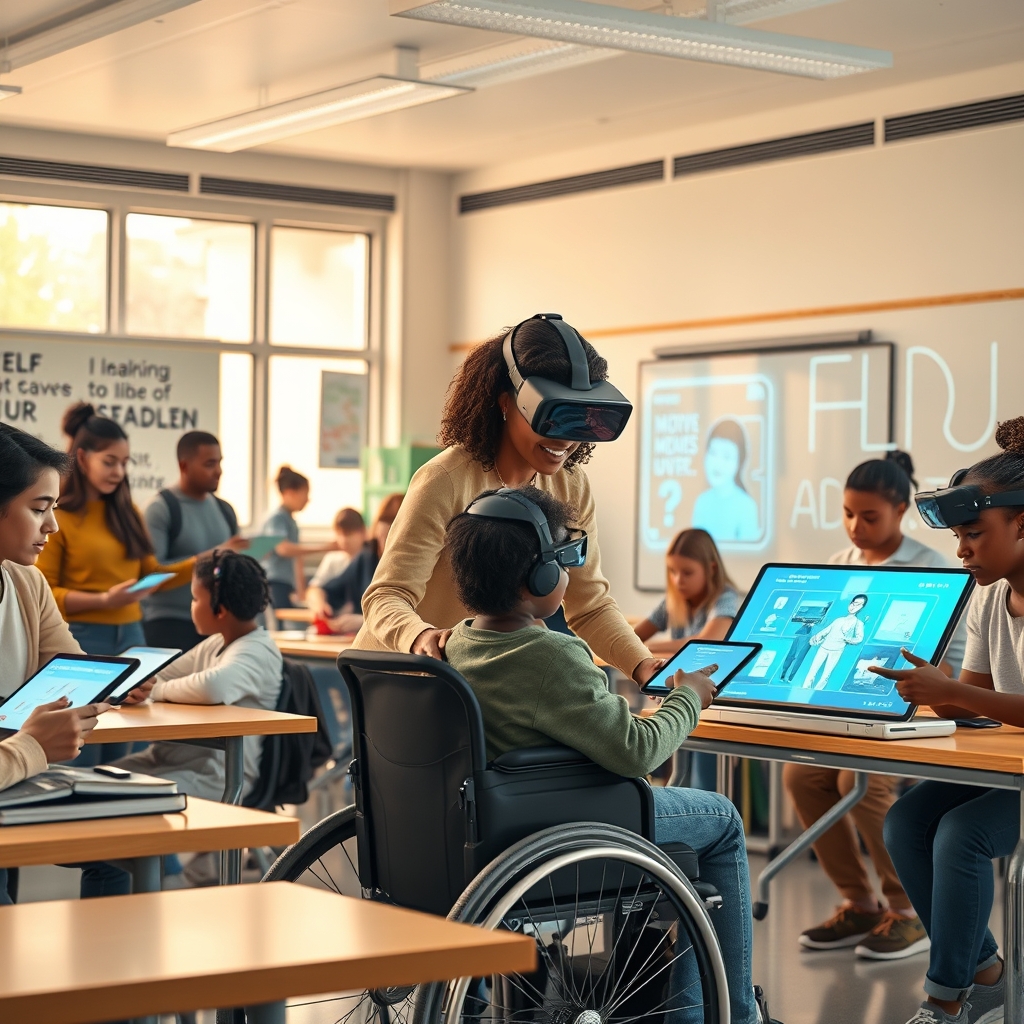
Education has always been a cornerstone of societal progress, but the methods by which we deliver it are undergoing a profound transformation. At the heart of this change is artificial intelligence (AI), a tool that is not only reshaping how we teach but also who we reach. Inclusive education, a concept that seeks to provide equitable learning opportunities for all students regardless of their abilities, backgrounds, or circumstances, is being redefined by AI-driven innovations. These technologies are breaking down barriers, personalizing experiences, and ensuring that no learner is left behind in the digital age.
The Promise of AI in Inclusive Education
Inclusive education is more than just a philosophy; it is a commitment to ensuring that every student has access to the resources, support, and opportunities they need to thrive. However, traditional educational models often struggle to accommodate the diverse needs of learners, particularly those with disabilities, language barriers, or socio-economic challenges. AI is stepping in to bridge these gaps by offering scalable, adaptive solutions that can be tailored to individual needs.
One of the most significant contributions of AI to inclusive education is its ability to personalize learning. Intelligent tutoring systems, for example, use machine learning algorithms to analyze a student’s performance in real-time, identifying strengths and weaknesses and adjusting the curriculum accordingly. This level of personalization ensures that students with learning disabilities, such as dyslexia or ADHD, receive the targeted support they need to succeed. Similarly, AI-powered speech-to-text and text-to-speech tools are making educational content more accessible to students with visual or auditory impairments, allowing them to engage with materials in ways that suit their unique needs.
Breaking Down Language Barriers
Language has long been a barrier to educational equity, particularly for students who are non-native speakers or come from linguistically diverse backgrounds. AI is changing this dynamic by providing real-time translation and language learning tools that make educational content more accessible. Platforms like Google Translate and Microsoft Translator use neural machine translation to convert text and speech into multiple languages with remarkable accuracy, enabling students to learn in their native language while gradually building proficiency in others.
Moreover, AI-driven language learning apps, such as Duolingo and Babbel, are gamifying the process of acquiring new languages, making it more engaging and effective. These tools use adaptive algorithms to tailor lessons to the user’s proficiency level, ensuring that learners are neither overwhelmed nor underchallenged. For students in multilingual classrooms, AI-powered tools can facilitate communication between peers and teachers, fostering a more inclusive and collaborative learning environment.
Enhancing Digital Literacy for All
Inclusive education is not just about accessibility; it is also about ensuring that all students develop the skills they need to navigate an increasingly digital world. Digital literacy, the ability to use technology effectively and responsibly, is a critical component of modern education. AI is playing a pivotal role in enhancing digital literacy by providing interactive, hands-on learning experiences that demystify technology for students of all ages and backgrounds.
For instance, AI-powered coding platforms like Scratch and Code.org use gamified learning to teach programming concepts in a fun and accessible way. These platforms adapt to the user’s skill level, providing hints and feedback to help them overcome challenges and build confidence. Similarly, AI-driven virtual labs and simulations are enabling students to conduct experiments and explore complex concepts in science, technology, engineering, and mathematics (STEM) without the need for expensive equipment or physical access to laboratories. This democratization of STEM education is opening doors for students who might otherwise be excluded from these fields due to resource constraints.
The Role of Learning Analytics in Equity
Learning analytics, the process of collecting and analyzing data on student performance, is another area where AI is making a significant impact on inclusive education. By tracking metrics such as engagement, comprehension, and progress, AI-driven analytics tools can identify patterns and trends that might indicate a student is struggling or at risk of falling behind. Educators can then intervene early, providing targeted support to help the student get back on track.
For example, platforms like DreamBox and Knewton use AI to analyze student interactions with digital learning materials, identifying gaps in understanding and recommending personalized resources to address them. This data-driven approach ensures that interventions are timely and effective, reducing the likelihood of students slipping through the cracks. Moreover, learning analytics can help educators identify systemic inequities in their classrooms, such as disparities in performance between different demographic groups, and take steps to address them.
Challenges and Ethical Considerations
While the potential of AI in inclusive education is vast, it is not without its challenges. One of the most pressing concerns is the digital divide, the gap between those who have access to technology and those who do not. AI-driven educational tools are only effective if students have the devices and internet connectivity needed to use them. Bridging this divide requires concerted efforts from policymakers, educators, and technology providers to ensure that all students, regardless of their socio-economic status, have access to the tools they need to succeed.
Another challenge is the ethical use of AI in education. As AI systems collect and analyze vast amounts of data on students, there are concerns about privacy, security, and the potential for bias. For instance, if an AI algorithm is trained on data that reflects historical inequities, it may perpetuate those biases in its recommendations. To mitigate these risks, it is essential to develop AI systems that are transparent, accountable, and designed with equity in mind. This includes involving diverse stakeholders in the development process and regularly auditing AI systems for bias and fairness.
The Future of Inclusive Education
The integration of AI into inclusive education is still in its early stages, but the possibilities are endless. As AI technologies continue to evolve, they will enable even more personalized, adaptive, and engaging learning experiences. For example, virtual reality (VR) and augmented reality (AR) powered by AI could create immersive learning environments that cater to different learning styles and abilities. Imagine a student with autism using a VR headset to practice social interactions in a safe, controlled setting, or a student with mobility impairments exploring a virtual science lab to conduct experiments they might not otherwise have access to.
AI could also facilitate greater collaboration between educators, students, and families, creating a more holistic and supportive learning ecosystem. For instance, AI-driven communication tools could help teachers and parents stay informed about a student’s progress and needs, enabling them to work together to provide the best possible support. Additionally, AI could help schools and districts allocate resources more equitably, ensuring that funding and support are directed to the students and communities that need them most.
As we look to the future, it is clear that AI has the potential to transform inclusive education in profound ways. By leveraging these technologies, we can create learning environments that are not only more accessible and equitable but also more engaging and effective. The goal is not to replace human educators but to empower them with the tools they need to reach every student, regardless of their background or abilities. In doing so, we can ensure that education remains a powerful force for equity, opportunity, and social progress in the digital age.



