
AI and the Future of Project-Based Learning: Fostering Innovation Through Intelligent Collaboration
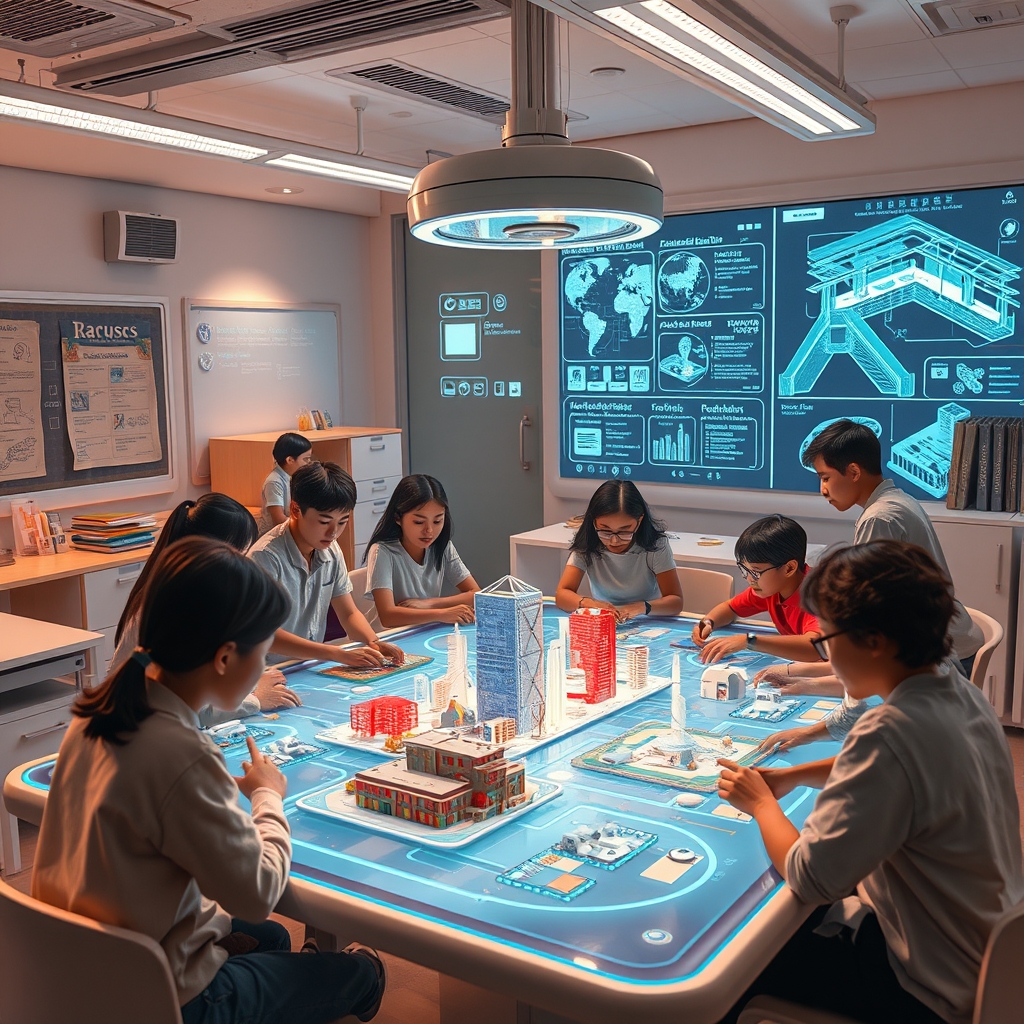
Project-based learning (PBL) has long been celebrated as a dynamic approach to education, one that shifts the focus from rote memorization to hands-on, real-world problem-solving. Yet, as classrooms evolve in the digital age, the integration of artificial intelligence is unlocking new dimensions of PBL, transforming how students collaborate, innovate, and apply their knowledge. By blending AI with experiential learning, educators are not only enhancing engagement but also preparing learners for the complexities of a rapidly changing world.
The AI Advantage in Project-Based Learning
At its core, PBL thrives on inquiry, critical thinking, and interdisciplinary connections. AI amplifies these elements by providing tools that adapt to individual learning styles, streamline research, and even simulate real-world scenarios. For instance, intelligent tutoring systems can guide students through complex projects by offering personalized feedback, suggesting resources, or identifying knowledge gaps in real time. This level of support ensures that learners remain on track while fostering independence and self-directed exploration.
Moreover, AI-driven platforms can facilitate collaboration by breaking down geographical barriers. Virtual workspaces powered by natural language processing (NLP) allow students from diverse backgrounds to brainstorm, refine ideas, and co-create solutions seamlessly. These tools not only democratize access to collaborative opportunities but also mirror the global, interconnected nature of modern workplaces.
From Concept to Creation: AI as a Creative Partner
One of the most exciting applications of AI in PBL is its role as a creative partner. Generative tools, such as AI-powered design software or coding assistants, enable students to prototype ideas quickly, iterate on designs, and explore multiple solutions to a problem. For example, a student working on a sustainable urban planning project could use AI to generate 3D models of their designs, test structural integrity, or even simulate environmental impacts. These capabilities not only accelerate the creative process but also encourage experimentation and risk-taking.
In STEM education, AI is particularly transformative. Machine learning algorithms can help students analyze large datasets, identify patterns, and draw evidence-based conclusions. For instance, in a biology project focused on climate change, AI tools can process environmental data to predict future trends, allowing students to develop data-driven solutions. This integration of AI and STEM not only deepens subject mastery but also equips learners with the skills to tackle real-world challenges.
Bridging Gaps with Inclusive and Equitable Design
While AI enhances PBL, its true potential lies in its ability to make learning more inclusive and equitable. Intelligent systems can adapt to diverse learning needs, providing scaffolding for students with disabilities or language barriers. For example, AI-powered transcription tools can convert spoken instructions into text for hearing-impaired students, while real-time translation features ensure that non-native speakers can fully participate in collaborative projects.
Additionally, AI can help educators identify and address biases in project design, ensuring that all students have equal opportunities to contribute and succeed. By analyzing participation patterns, AI tools can highlight disparities in group dynamics, prompting teachers to intervene and foster a more balanced and inclusive learning environment. This proactive approach to equity ensures that PBL remains a tool for empowerment, not exclusion.
The Role of Educators in an AI-Augmented Classroom
Despite the transformative potential of AI, the role of educators remains irreplaceable. Teachers act as facilitators, guiding students through the ethical and practical implications of using AI tools. They help learners develop critical thinking skills by encouraging them to question the reliability of AI-generated content, consider the societal impact of their projects, and reflect on their own learning processes. In this way, AI becomes a catalyst for deeper, more meaningful engagement with the material.
Educators also play a crucial role in designing projects that leverage AI while maintaining a human-centered approach. For example, a history project might combine AI-driven research tools with primary source analysis, ensuring that students develop both digital literacy and historical empathy. By striking this balance, teachers ensure that AI enhances, rather than replaces, the human elements of learning.
Preparing Students for an AI-Driven Future
The integration of AI into PBL is not just about improving educational outcomes; it’s about preparing students for a future where AI will be ubiquitous. By engaging with AI tools in the classroom, learners develop the digital literacy skills necessary to navigate an increasingly automated world. They learn to collaborate with intelligent systems, critically evaluate AI-generated content, and apply technology to solve complex problems. These skills are essential for success in fields ranging from engineering to the arts, where AI is already reshaping industries.
Furthermore, AI-powered PBL fosters a mindset of lifelong learning. As students see firsthand how AI can augment their creativity and problem-solving abilities, they become more adaptable and resilient. They learn to embrace change, seek out new tools, and continuously refine their skills—a mindset that will serve them well in an era of rapid technological advancement.
As classrooms continue to evolve, the synergy between AI and project-based learning offers a glimpse into the future of education. By harnessing the power of intelligent tools, educators can create learning experiences that are not only engaging and inclusive but also deeply relevant to the challenges of the 21st century. The goal is not to replace the human element of education but to amplify it, ensuring that every student has the opportunity to innovate, collaborate, and thrive in an AI-augmented world. The journey has just begun, and the possibilities are as limitless as the imagination of the learners themselves.



