
The Hidden Classroom: How Adventure Education Shapes Confident and Capable Learners
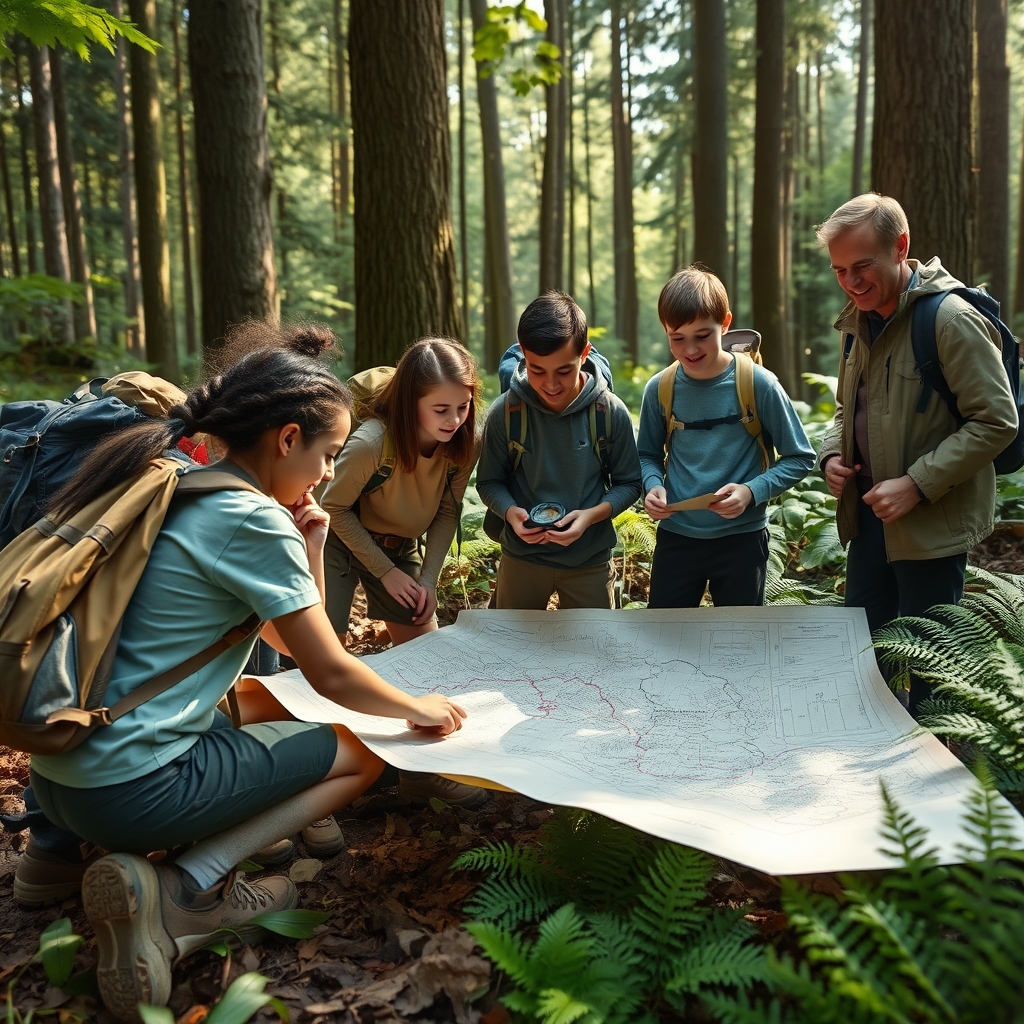
Imagine a classroom without walls, where the curriculum is written in the rustling leaves, the babbling brook, and the challenges of navigating an unfamiliar trail. This is the essence of adventure education—a dynamic approach to learning that blends physical activity, problem-solving, and real-world exploration to foster resilience, teamwork, and self-discovery. Unlike traditional education, which often prioritizes memorization and standardized testing, adventure education immerses learners in experiences that demand adaptability, critical thinking, and emotional intelligence. It’s not just about surviving the wilderness; it’s about thriving in it and carrying those lessons into everyday life.
The Philosophy Behind Adventure Education
At its core, adventure education is rooted in the belief that learning is most impactful when it is active, engaging, and tied to real-world contexts. This philosophy aligns closely with other experiential learning models, such as project-based learning and place-based education, but with a unique emphasis on risk, challenge, and personal growth. The theory behind it draws from psychologists like Kurt Hahn, who believed that young people thrive when given opportunities to overcome obstacles, work collaboratively, and develop a sense of responsibility for themselves and others.
Adventure education isn’t limited to extreme sports or backcountry expeditions. It can take many forms, from a day-long orienteering challenge in a local park to a week-long service-learning project building trails in a national forest. What unites these experiences is the intentional design of activities that push participants out of their comfort zones while providing the support and structure needed to succeed. The goal isn’t just to teach survival skills but to cultivate a mindset of curiosity, perseverance, and empathy.
Building Resilience Through Controlled Risk
One of the most powerful aspects of adventure education is its ability to teach resilience through controlled risk-taking. In a world where children and adults alike are increasingly shielded from failure, adventure education creates safe spaces to confront challenges, make mistakes, and learn from them. Whether it’s climbing a rock face, navigating a river in a canoe, or leading a group through an unfamiliar terrain, participants quickly realize that setbacks are not roadblocks but opportunities for growth.
Research supports this idea. Studies have shown that students who participate in adventure-based programs demonstrate improved problem-solving skills, greater emotional regulation, and higher levels of self-efficacy. These benefits extend beyond the program itself, influencing how learners approach challenges in school, work, and personal relationships. The key lies in the balance between risk and safety—adventure education provides enough challenge to stretch participants’ abilities without overwhelming them, creating a fertile ground for confidence to take root.
Teamwork and Leadership in the Wild
Adventure education is inherently social. Many activities require collaboration, communication, and trust, making it a powerful tool for developing interpersonal skills. In a group setting, participants learn to rely on one another, delegate tasks, and resolve conflicts—all while working toward a common goal. These experiences mirror the dynamics of real-world teams, whether in the workplace, community organizations, or families.
Leadership, too, takes on a new dimension in adventure education. Without the hierarchy of a traditional classroom, participants often find themselves stepping into leadership roles unexpectedly. A quiet student might emerge as the voice of reason during a crisis, while a natural leader learns the value of listening to others’ ideas. These moments of role reversal challenge preconceived notions about who can lead and how leadership should look, fostering a more inclusive and adaptive approach to teamwork.
Connecting to the Natural World
Beyond the personal and social benefits, adventure education deepens learners’ connection to the natural world. In an era where screen time often eclipses outdoor play, these experiences offer a vital counterbalance. Participants develop an appreciation for the environment not through textbooks or lectures but through direct interaction—tracking wildlife, identifying plant species, or simply sitting quietly in a forest and observing the interplay of light and shadow.
This connection to nature is more than just a byproduct of adventure education; it’s a core component. Environmental education is woven into the fabric of these programs, often through citizen science projects or service-learning initiatives. For example, students might collect data on local water quality for a regional conservation effort or participate in a reforestation project. These activities not only teach ecological principles but also instill a sense of stewardship, showing learners that they have a role to play in protecting the planet.
Bringing Adventure Education into Everyday Learning
While not every school or community has access to a wilderness program, the principles of adventure education can be adapted to a variety of settings. Urban schools can incorporate elements of adventure education through park-based challenges, community mapping projects, or even indoor problem-solving activities that mimic outdoor scenarios. The key is to design experiences that are hands-on, collaborative, and slightly outside the participants’ comfort zones.
For educators looking to integrate adventure education into their curriculum, start small. A simple orienteering activity using maps and compasses can teach navigation, teamwork, and critical thinking. A service-learning project, such as cleaning up a local stream or organizing a community garden, can combine environmental education with real-world impact. The goal is to create opportunities for learners to engage with their surroundings, take ownership of their learning, and see the relevance of their actions.
The Ripple Effects of Adventure Education
The impact of adventure education extends far beyond the individual. Communities benefit when learners return with newfound confidence, leadership skills, and a sense of environmental responsibility. Schools see improvements in student engagement, attendance, and even academic performance, as the skills developed through adventure education—such as problem-solving and perseverance—translate into the classroom. Families, too, are affected, as participants often bring their enthusiasm and new perspectives home, inspiring others to explore the outdoors and embrace a more hands-on approach to learning.
Perhaps most importantly, adventure education challenges the notion that learning must be confined to four walls. It reminds us that the world itself is a classroom, rich with lessons waiting to be discovered. Whether it’s the thrill of reaching a summit, the quiet satisfaction of solving a problem as a team, or the awe of witnessing a sunset over a vast landscape, these experiences shape not just what we know but who we are. They teach us that growth happens when we step outside our comfort zones, that resilience is built through struggle, and that the most profound lessons are often learned not from a book but from the world around us.



