
The Invisible Threads: How Cultural Exchange Programs Weave the Fabric of Global Citizenship
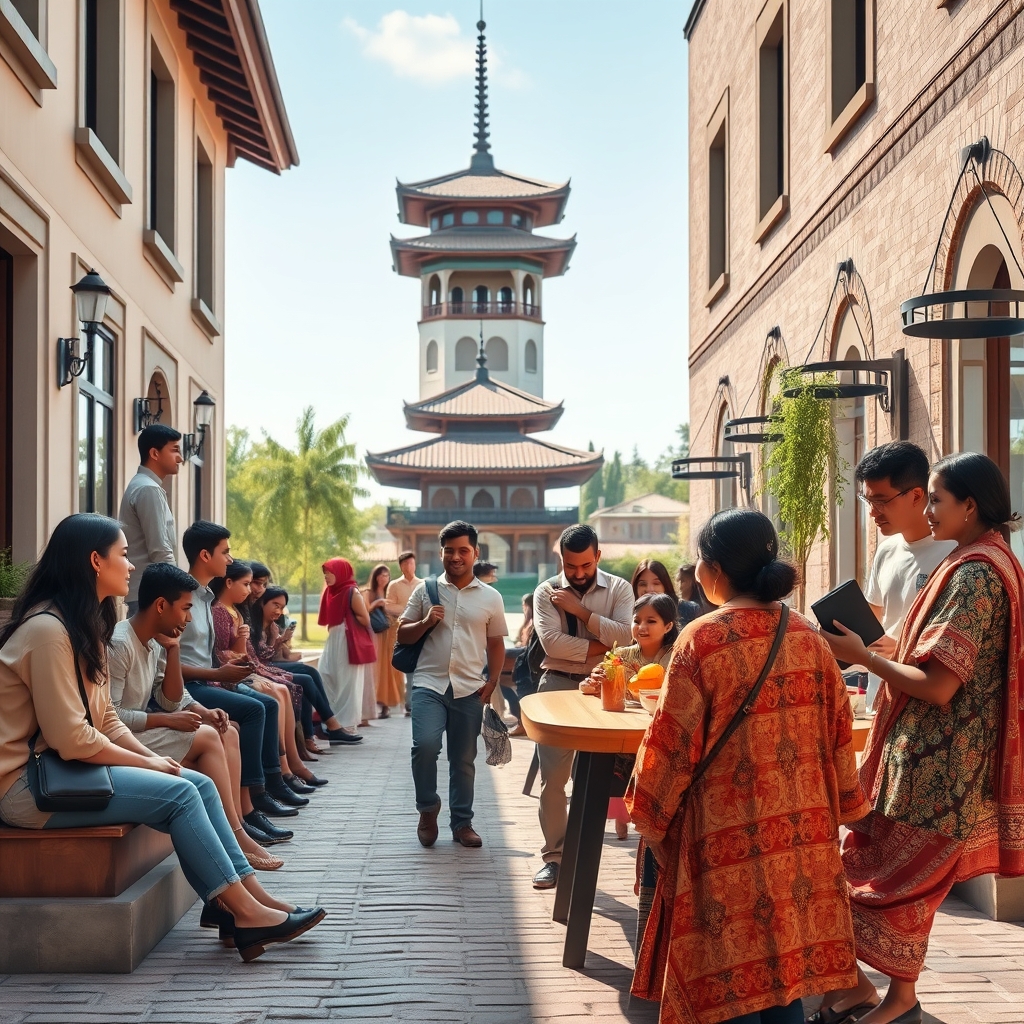
In an era where borders are increasingly porous and digital connectivity bridges continents in an instant, the concept of global citizenship has evolved from a lofty ideal into a tangible, lived experience. At the heart of this transformation lies the profound impact of cultural exchange programs, which serve as the invisible threads weaving together the diverse fabric of our interconnected world. These initiatives—ranging from semester abroad opportunities to host family placements and virtual exchange programs—do more than facilitate travel or academic credit. They cultivate the kind of intercultural competence that transcends textbooks, turning classrooms into global stages and students into ambassadors of understanding.
The Alchemy of Shared Experiences
Imagine stepping off a plane into a world where every sight, sound, and smell is unfamiliar. The initial disorientation is not just a challenge; it is the first lesson in a curriculum that no university could ever design. Cultural exchange programs thrive on this discomfort, transforming it into a catalyst for growth. Whether it’s navigating the bustling streets of Tokyo during a short-term study abroad program or sharing a meal with a host family in rural Spain, these experiences force participants to confront their own perspectives and biases. The result? A deeper, more nuanced understanding of what it means to be part of a global community.
Take, for example, the Erasmus Plus Scholarship, which has become synonymous with educational mobility in Europe. Beyond the financial support, the program offers something far more valuable: the chance to live, learn, and collaborate with peers from vastly different backgrounds. Students return not just with enhanced foreign language fluency but with a newfound ability to navigate ambiguity, a skill that is increasingly critical in our complex, fast-paced world. The credit transfer system ensures that these experiences are not just personal milestones but integral parts of their academic journeys, reinforcing the idea that global learning is not an extracurricular activity but a core component of modern education.
The Role of Host Families: More Than Just a Place to Stay
For many students, the most transformative aspect of a cultural exchange program is the opportunity to live with a host family. Far from being a mere logistical arrangement, host family placements offer a rare glimpse into the daily rhythms of life in another culture. It’s one thing to read about the importance of family in Italian culture; it’s another to experience the warmth of a nonna’s embrace or the lively debates around a dinner table. These moments of connection humanize the abstract, turning cultural stereotypes into personal relationships.
Host families, too, benefit from the exchange. They gain fresh perspectives, often challenging their own assumptions and broadening their worldviews. Children in host families grow up with a natural curiosity about the world, while parents find themselves learning alongside their guests. This reciprocal dynamic is the essence of cultural immersion—it’s not about observing from a distance but engaging in a shared journey of discovery.
The Digital Frontier: Virtual Exchange Programs
Not all cultural exchange requires a passport. In recent years, virtual exchange programs have emerged as a powerful tool for fostering global citizenship education, particularly for students who may not have the means or opportunity to travel abroad. Through digital platforms, students can engage in collaborative projects, language exchange programs, and cross-cultural dialogues without leaving their homes. These initiatives democratize access to global learning, ensuring that the benefits of cultural exchange are not limited to those who can afford a plane ticket.
Virtual exchanges also offer a unique advantage: they can be tailored to specific academic or personal goals. A student studying environmental science might collaborate with peers in another country to tackle a shared sustainability challenge, while a language learner could practice conversational skills with a native speaker. The flexibility of these programs makes them an invaluable addition to traditional study abroad models, offering a low-risk entry point for students who are new to intercultural engagement.
Pre-Departure Orientation: The Unsung Hero of Global Learning
One of the most overlooked yet critical components of any cultural exchange program is pre-departure orientation. This phase prepares students not just logistically—helping them navigate international student visas, tuition waivers, or credit transfer systems—but emotionally and psychologically for the challenges ahead. Workshops on cross-cultural adaptability, simulations of cultural misunderstandings, and discussions about the emotional rollercoaster of living abroad can make the difference between a transformative experience and a frustrating one.
Effective pre-departure orientation also addresses the practicalities of daily life, from understanding local customs to managing homesickness. It equips students with the tools they need to thrive, not just survive, in their new environment. By setting realistic expectations and providing a support network, these programs ensure that students are not just physically prepared for their journey but mentally and emotionally resilient as well.
The Ripple Effect of Intercultural Competence
The impact of cultural exchange programs extends far beyond the individual. When students return home, they bring with them a wealth of experiences, insights, and connections that ripple outward, influencing their communities, workplaces, and even future generations. A student who has studied abroad might advocate for more inclusive policies in their university, while a participant in a language exchange program could inspire others to learn a new language. These small acts of global citizenship accumulate, creating a more interconnected and empathetic world.
Moreover, the skills developed through cultural exchange—adaptability, empathy, communication—are increasingly valued in today’s globalized job market. Employers recognize that employees with intercultural competence are better equipped to navigate diverse teams, international clients, and cross-border collaborations. In this way, cultural exchange programs are not just shaping individuals; they are shaping the future of work itself.
As the world continues to grapple with complex challenges—from climate change to social inequality—the need for global citizens who can bridge divides and foster understanding has never been greater. Cultural exchange programs, in all their forms, offer a powerful antidote to division, reminding us that our differences are not barriers but opportunities for connection. They teach us that the world is not a collection of isolated nations but a vibrant, interconnected tapestry, and that each of us has a role to play in weaving its future. The threads may be invisible, but their impact is profound, stitching together a more compassionate, curious, and collaborative world one exchange at a time.



