
The Hidden Catalyst: How AI and Learning Analytics Are Redefining Personalized Education Beyond the Classroom
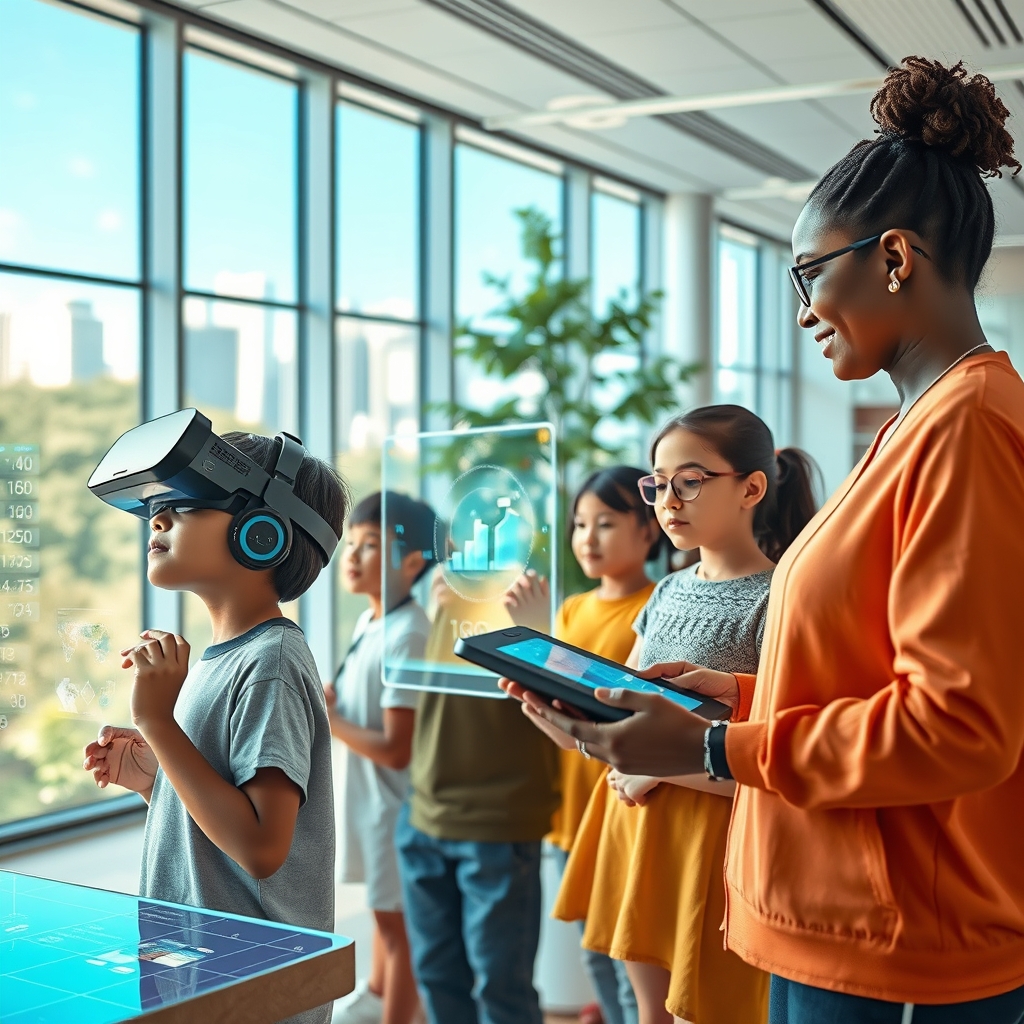
In an era where data is often called the new oil, education is experiencing a quiet yet profound transformation. The fusion of artificial intelligence and learning analytics is not just reshaping how students learn within the four walls of a classroom—it is redefining the very essence of personalized education, extending its reach far beyond traditional boundaries. This shift is not about replacing educators but empowering them with tools that uncover insights, predict challenges, and tailor experiences to the unique needs of every learner.
The Power of Invisible Insights
Learning analytics, powered by AI, operates like a silent observer, gathering and interpreting data from every interaction a student has with digital learning platforms. From the time spent on a particular module to the patterns in mistakes made during quizzes, these systems analyze vast amounts of information to identify trends that might otherwise go unnoticed. For instance, a student struggling with algebraic concepts might not explicitly ask for help, but their repeated errors in practice problems could trigger an AI-driven system to suggest targeted resources or even adjust the difficulty of future exercises in real time.
This level of personalization is not just about academic performance; it also addresses the emotional and psychological aspects of learning. AI can detect signs of frustration or disengagement, such as prolonged inactivity or rapid, careless responses, and prompt interventions like motivational messages, breaks, or even a shift in the learning modality—perhaps from text-based to video or interactive simulations. The goal is to create an environment where students feel seen, understood, and supported, even in the absence of a physical teacher.
Breaking Down Barriers to Educational Equity
One of the most promising aspects of AI-driven learning analytics is its potential to bridge gaps in educational equity. Traditional education systems often struggle to accommodate the diverse needs of students, particularly those from underserved communities or with learning differences. AI, however, does not discriminate based on background or ability. It adapts to the learner, offering resources and pathways that align with their strengths and address their weaknesses.
For example, a student in a rural area with limited access to advanced STEM courses can benefit from AI-powered platforms that provide personalized, college-level content. Similarly, learners with dyslexia or other cognitive challenges can use AI tools that adjust text complexity, offer audio support, or even translate content into more accessible formats. By democratizing access to high-quality, adaptive education, AI and learning analytics are leveling the playing field, ensuring that every student has the opportunity to thrive.
The Role of Generative AI in Crafting Dynamic Learning Experiences
Generative AI is another game-changer in the realm of personalized education. Unlike traditional AI, which analyzes and responds to data, generative AI creates new content tailored to the learner’s needs. Imagine a history lesson that dynamically generates a narrative based on a student’s interests—perhaps focusing more on the cultural aspects of a period if the student shows curiosity in art, or delving deeper into political strategies if they are drawn to leadership topics. This level of customization makes learning more engaging and relevant, fostering a deeper connection to the material.
Generative AI also excels in creating interactive and experiential learning opportunities. For instance, a science student could use an AI-generated virtual lab to conduct experiments that would be too costly or dangerous to perform in a physical classroom. Similarly, language learners can engage in AI-driven conversations with virtual native speakers, receiving instant feedback on pronunciation, grammar, and vocabulary. These tools not only enhance learning outcomes but also make education more immersive and enjoyable.
The Human Touch in an AI-Augmented World
While AI and learning analytics offer incredible potential, they are not a panacea. The human element remains irreplaceable in education. Teachers, mentors, and peers provide the empathy, creativity, and emotional support that machines cannot replicate. The true power of AI lies in its ability to augment human capabilities, freeing educators from administrative burdens and allowing them to focus on what they do best: inspiring and guiding students.
For example, AI can handle the tedious task of grading assignments, providing instant feedback to students while giving teachers more time to engage in meaningful one-on-one interactions. It can also identify students who may need additional support, enabling educators to intervene early and prevent learning gaps from widening. In this way, AI acts as a force multiplier, enhancing the impact of human educators rather than replacing them.
The Future of Lifelong Learning
As the world continues to evolve at a rapid pace, the concept of education as a finite phase of life is becoming obsolete. Lifelong learning is no longer a luxury but a necessity, and AI is playing a pivotal role in making it accessible and effective. Microlearning platforms, powered by AI, deliver bite-sized lessons that fit seamlessly into busy schedules, allowing professionals to upskill or reskill without disrupting their careers. These platforms use learning analytics to track progress and adapt content, ensuring that learners remain engaged and motivated.
Moreover, AI-driven intelligent tutoring systems are making it possible for individuals to pursue education at their own pace, regardless of their age or background. Whether it’s a retiree exploring a new hobby or a mid-career professional transitioning to a different field, AI ensures that learning is a continuous, personalized journey. This shift is not just about acquiring new skills; it’s about fostering a mindset of curiosity and adaptability that prepares individuals for an unpredictable future.
The integration of AI and learning analytics into education is not just a technological advancement—it is a cultural shift. It challenges us to rethink how we define learning, who has access to it, and what it means to be educated in the 21st century. As these tools become more sophisticated, they will continue to break down barriers, personalize experiences, and empower learners of all ages and backgrounds. The future of education is not about machines taking over; it’s about humans and AI working together to create a world where everyone has the opportunity to learn, grow, and succeed.



