
The Digital Nomad Scholar: How Virtual Exchange Programs Are Bridging Gaps in Global Citizenship Education
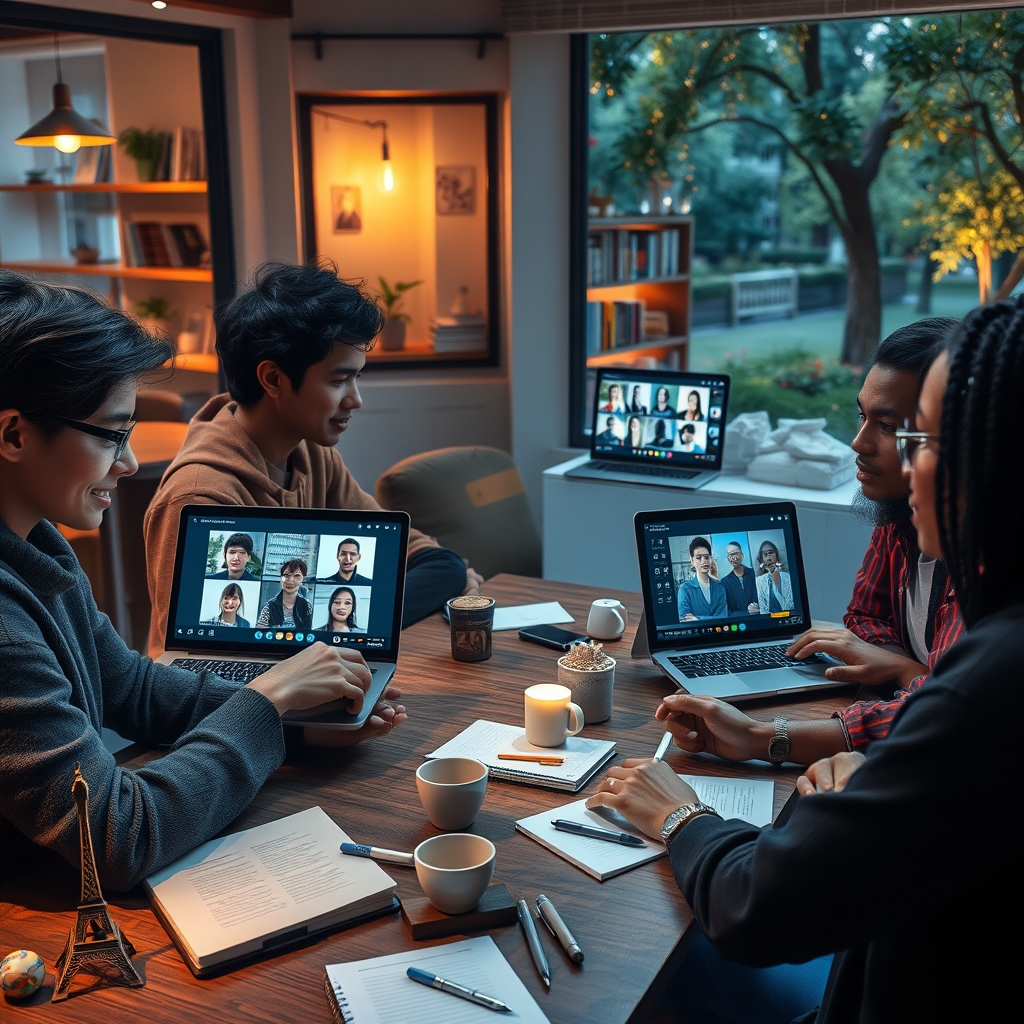
In an era where physical borders are increasingly permeable yet occasionally impassable, the landscape of international education is undergoing a quiet transformation. The traditional image of a student with a backpack, boarding a plane to spend a semester abroad, is being complemented—if not challenged—by a new archetype: the digital nomad scholar. This emerging figure navigates the world not through airports, but through screens, engaging in Virtual Exchange Programs that promise to democratize Global Citizenship Education in ways previously unimaginable.
The Evolution of Study Abroad: From Physical to Digital Frontiers
For decades, Study Abroad Programs have been synonymous with physical mobility. The allure of walking the streets of Paris, attending lectures in Tokyo, or conducting research in Cape Town has drawn millions of students into the fold of International Student Mobility. Programs like the Erasmus Plus Scholarship have become gold standards, offering not just academic enrichment but life-altering experiences. Yet, despite their undeniable value, these programs are not without limitations. Financial constraints, visa complexities, and personal circumstances often erect barriers that even the most determined students cannot surmount.
Enter the digital age. The COVID-19 pandemic, while disruptive, accelerated the adoption of virtual learning environments and exposed the potential of online platforms to foster Cross-Cultural Adaptability without the need for physical travel. Virtual Exchange Programs emerged as a viable alternative, allowing students to collaborate with peers from different cultural backgrounds, participate in joint projects, and engage in Language Exchange Programs—all from the comfort of their homes. These programs are not merely stopgap measures; they represent a fundamental shift in how we conceptualize Global Learning Experiences.
Breaking Down Barriers: Accessibility and Inclusivity
One of the most compelling advantages of virtual exchange is its ability to level the playing field. Traditional study abroad programs often come with hefty price tags, encompassing tuition fees, travel expenses, and living costs. For many students, particularly those from low-income backgrounds or developing nations, these costs are prohibitive. Virtual Exchange Programs, on the other hand, eliminate many of these financial barriers. With minimal costs—often just a stable internet connection—students can access the same intercultural experiences that were once reserved for the privileged few.
Moreover, virtual exchange dismantles the bureaucratic hurdles associated with International Student Visas. Students who might struggle to obtain visas due to geopolitical tensions, administrative delays, or personal circumstances can now participate in global education without leaving their countries. This inclusivity extends to students with disabilities, who may face physical or logistical challenges in traditional study abroad settings. By removing these barriers, virtual exchange programs are expanding the definition of International Student Mobility to include those who have historically been excluded.
The Power of Intercultural Competence in a Digital World
Critics of virtual exchange often argue that it lacks the depth of Cultural Immersion that comes with living in a foreign country. While it’s true that virtual programs cannot replicate the sensory experiences of navigating a new city or the spontaneity of a Host Family Placement, they offer unique advantages in fostering Intercultural Competence. In a digital setting, students are forced to communicate more intentionally, relying on written and verbal clarity to bridge cultural gaps. This can lead to a deeper understanding of communication styles, non-verbal cues, and the nuances of language that might be overlooked in face-to-face interactions.
Virtual exchange also encourages students to develop digital literacy skills that are increasingly vital in today’s workforce. Collaborating on projects using tools like Slack, Zoom, or Trello requires adaptability and problem-solving—skills that are transferable to any professional setting. Additionally, the asynchronous nature of many virtual programs allows students to reflect on their interactions, fostering a more deliberate and thoughtful approach to Cultural Exchange.
From Short-Term Engagement to Lifelong Connections
While Short-Term Study Abroad programs have long been criticized for their superficiality, virtual exchange offers a counterpoint. The flexibility of digital platforms allows for sustained engagement over longer periods, enabling students to build meaningful relationships with their peers. Many virtual programs incorporate structured activities such as discussion forums, group projects, and peer reviews, which encourage ongoing interaction and collaboration. These experiences can be just as transformative as a Semester Abroad, if not more so, because they demand consistent effort and engagement.
Furthermore, virtual exchange programs often incorporate elements of Educational Tourism, such as virtual city tours, cultural workshops, and guest lectures from international experts. These activities provide students with a broader context for their learning, allowing them to explore the cultural, historical, and social dimensions of their peers’ home countries. In this way, virtual exchange transcends the limitations of physical mobility, offering a holistic Global Learning Experience that is both immersive and accessible.
The Future of Global Education: Hybrid Models and Beyond
As the world continues to grapple with the challenges of climate change, geopolitical instability, and public health crises, the future of International Student Mobility is likely to be hybrid. Virtual exchange programs will not replace traditional study abroad but will complement it, offering students a spectrum of options to tailor their global education experiences. For instance, a student might begin with a virtual exchange to build foundational Intercultural Competence before embarking on a physical Study Abroad Program. Conversely, a student who has already studied abroad might use virtual exchange to maintain connections with their international peers or explore new cultural contexts.
Institutions are also recognizing the value of integrating virtual exchange into their curricula. Many universities now offer Credit Transfer Systems for virtual programs, ensuring that students receive academic recognition for their global learning. Additionally, initiatives like Pre-Departure Orientation are being adapted to include virtual components, preparing students for both digital and physical intercultural experiences. These developments signal a broader shift toward a more flexible and inclusive model of global education.
The digital nomad scholar is not a replacement for the traditional study abroad student but a testament to the evolving nature of education in a connected world. As technology continues to advance, the boundaries between physical and virtual learning will blur, creating new opportunities for students to engage with the world. Whether through a screen or a plane ticket, the journey toward Global Citizenship is no longer a privilege reserved for the few—it is an accessible, transformative experience for all who seek it. The question is no longer whether students can participate in global education, but how they will choose to embark on that journey, armed with the tools to navigate an increasingly interconnected world.



