
The Art of Personalized Learning: How Skill Development Courses and Online Tutoring Create Adaptive Education Ecosystems
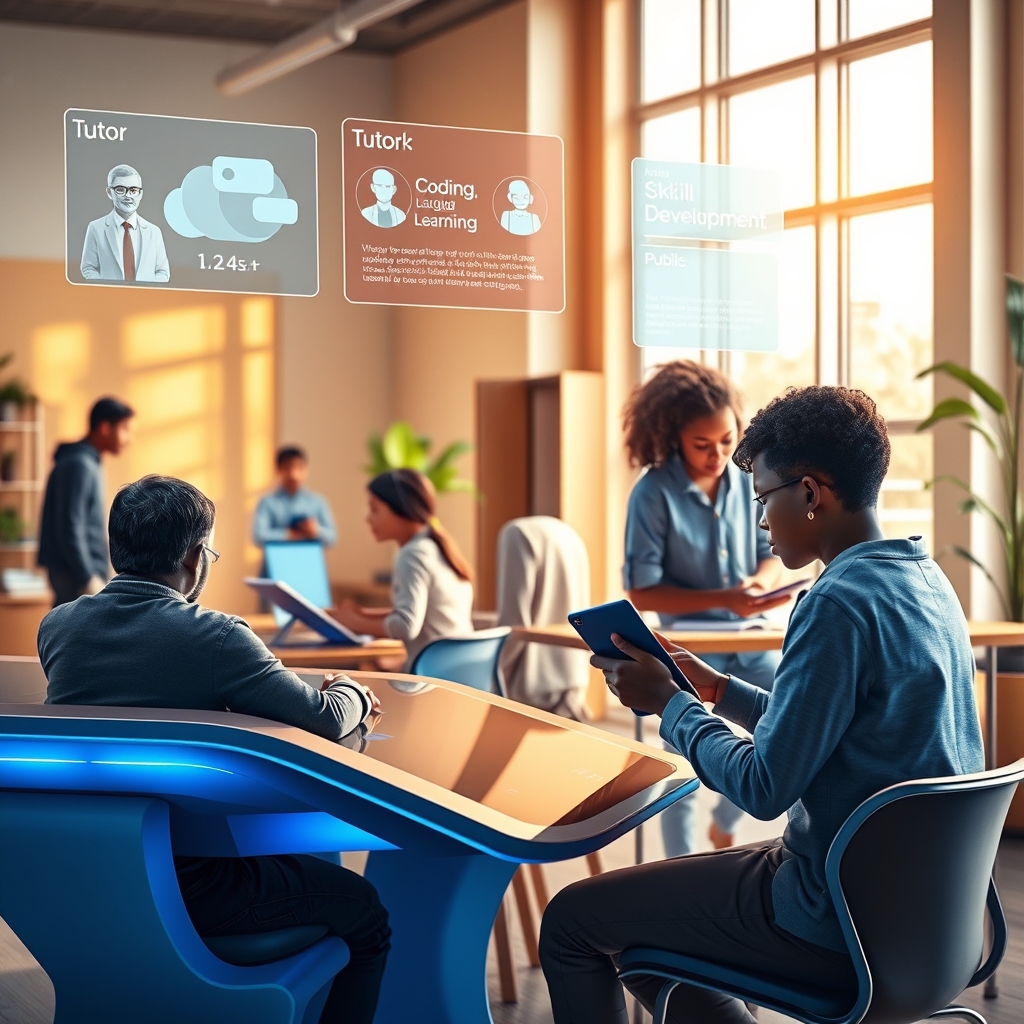
In today’s fast-paced educational landscape, the one-size-fits-all approach to learning is rapidly becoming obsolete. Students come with unique strengths, weaknesses, and learning styles, and the demand for tailored educational experiences has never been higher. This shift has given rise to a dynamic ecosystem of skill development courses and online tutoring, which together are redefining how students engage with academic content, master new abilities, and prepare for future challenges. These adaptive education models are not just supplementary—they are becoming integral to how learning happens.
The Evolution of Supplementary Education
Supplementary education has long been viewed as a way to reinforce classroom learning, but its role has expanded far beyond homework help or test preparation. Today, it encompasses a broad spectrum of offerings, from enrichment programs that challenge advanced learners to remedial classes designed to support those who need extra guidance. The common thread? A focus on personalization. Whether through private tutoring sessions, peer tutoring initiatives, or digital learning platforms, the goal is to meet students where they are and help them progress at their own pace.
This evolution is driven by a growing recognition that traditional classroom settings often struggle to accommodate diverse learning needs. Some students thrive in structured environments, while others require flexibility and self-paced exploration. Supplementary education fills these gaps by offering targeted support, whether it’s through after-school programs that provide hands-on learning experiences or summer school sessions that prevent learning loss during breaks. The result is a more inclusive and responsive educational system.
The Power of Online Tutoring in Modern Education
One of the most transformative developments in supplementary education is the rise of online tutoring. Unlike traditional in-person tutoring, online platforms offer unparalleled accessibility, connecting students with expert instructors regardless of geographic location. This democratization of education has made high-quality tutoring available to students in remote areas, those with busy schedules, or even those who simply prefer the comfort of learning from home.
Online tutoring also leverages technology to create highly personalized learning experiences. Adaptive learning algorithms, interactive whiteboards, and real-time feedback tools allow tutors to tailor their approach to each student’s needs. For example, a student struggling with algebra can receive targeted exercises and explanations, while an advanced learner can dive into accelerated learning modules that challenge them beyond the standard curriculum. This level of customization was once a luxury but is now becoming a standard expectation in modern education.
Skill Development Courses: Beyond Academic Mastery
While academic tutoring remains a cornerstone of supplementary education, skill development courses are gaining traction as essential components of a well-rounded education. These courses go beyond traditional subjects, focusing on practical, real-world skills that prepare students for future careers and personal growth. From coding bootcamps to public speaking workshops, skill development courses equip learners with the tools they need to succeed in an increasingly competitive world.
The beauty of these courses lies in their flexibility. They can be tailored to individual interests, whether a student is passionate about creative writing, data science, or entrepreneurship. Many programs also offer micro-credentials or certificates, which provide tangible proof of a student’s abilities and can be valuable additions to college applications or resumes. This shift toward skill-based learning reflects a broader trend in education: the move from rote memorization to applied knowledge and critical thinking.
Blending Technology and Human Connection
Despite the growing reliance on technology, the human element remains irreplaceable in education. The most effective supplementary education programs strike a balance between digital innovation and personal interaction. For instance, peer tutoring programs foster collaboration and mentorship, allowing students to learn from one another in a supportive environment. Meanwhile, private tutoring—whether online or in-person—provides the individualized attention that many students need to thrive.
Digital learning platforms also play a crucial role in this blend. Platforms like Khan Academy, Coursera, and Duolingo offer self-paced learning opportunities, while live tutoring sessions provide real-time support. This hybrid model ensures that students have access to both structured guidance and the freedom to explore topics at their own pace. It’s a powerful combination that caters to diverse learning preferences and needs.
The Future of Adaptive Learning
As education continues to evolve, the integration of supplementary education into mainstream learning will only deepen. Schools and parents alike are recognizing the value of programs that go beyond the standard curriculum, whether through advanced placement courses, dual enrollment opportunities, or language classes that open doors to global communication. These programs not only enhance academic performance but also foster a love of learning that extends far beyond the classroom.
The rise of adaptive education ecosystems is not just a trend—it’s a fundamental shift in how we approach learning. By embracing personalized, flexible, and technology-driven solutions, we can create educational experiences that empower every student to reach their full potential. Whether through a one-on-one tutoring session, an online course, or an after-school enrichment program, the opportunities for growth are limitless. The key lies in recognizing that education is not a one-time event but a lifelong journey, and the tools we use to support that journey must be as dynamic and unique as the learners themselves.



