The AI-Powered Compass: Navigating the Future of Personalized and Experiential Learning Through Intelligent Systems
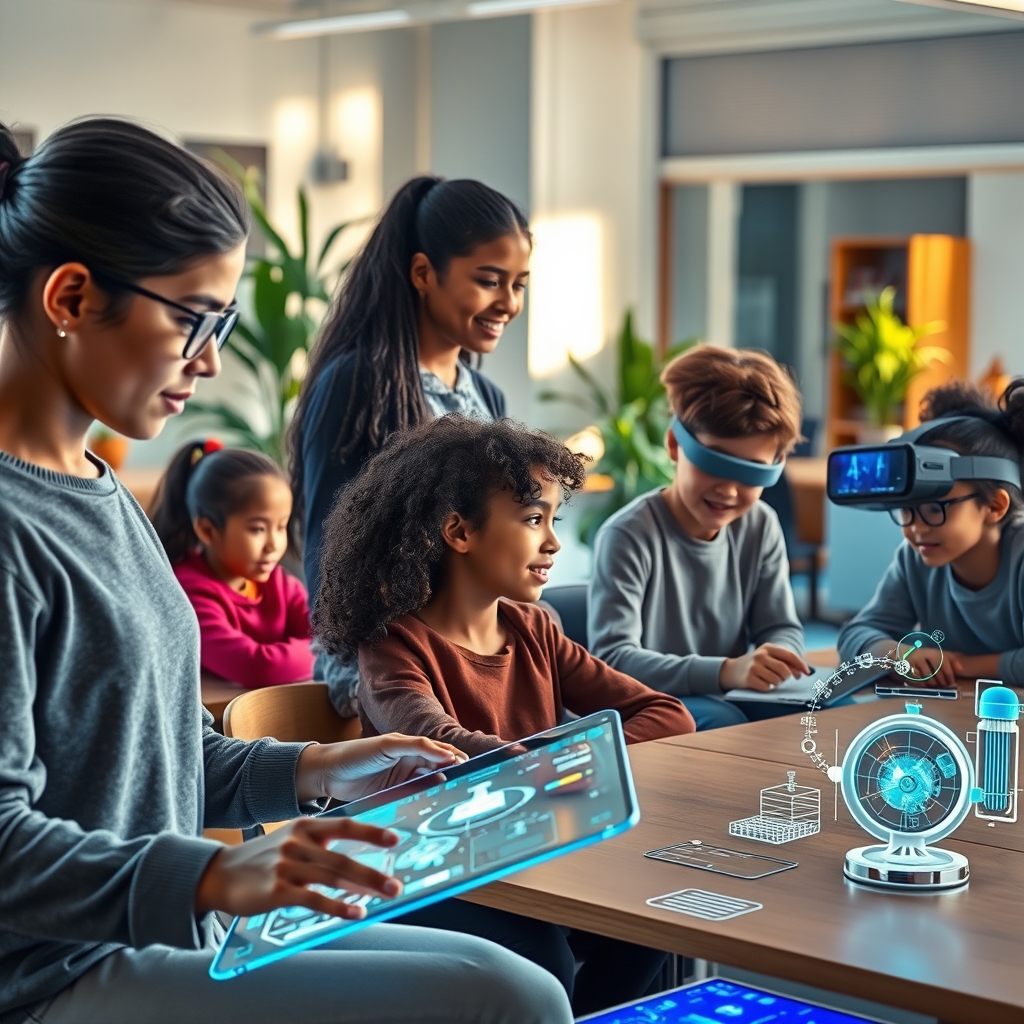
Imagine a classroom where every student embarks on a unique journey, guided not by a one-size-fits-all curriculum but by an intelligent system that adapts in real-time to their strengths, weaknesses, and curiosities. This is not a distant dream but a rapidly unfolding reality, where artificial intelligence is acting as a compass, steering education toward a future where learning is as dynamic and individualized as the learners themselves. The fusion of AI with experiential and personalized learning is not just enhancing education—it is redefining what it means to learn, grow, and thrive in an increasingly complex world.
The Rise of the Intelligent Learning Companion
At the heart of this transformation lies the emergence of intelligent tutoring systems (ITS), which are evolving from simple digital assistants into sophisticated learning companions. These systems leverage machine learning and natural language processing to engage students in dialogue, provide instant feedback, and adapt content to suit individual learning paces. Unlike traditional educational tools, ITS can identify gaps in understanding, offer targeted interventions, and even anticipate challenges before they arise. For example, platforms like Carnegie Learning’s MATHia or Duolingo’s AI-driven language lessons use adaptive algorithms to tailor exercises, ensuring that students are neither bored by repetition nor overwhelmed by complexity.
What sets these systems apart is their ability to create a feedback loop that mirrors the best aspects of human tutoring. They don’t just correct mistakes; they explain why an answer is incorrect, suggest alternative approaches, and encourage students to think critically about their problem-solving process. This level of personalization was once the domain of elite private tutors, but AI is democratizing access, making high-quality, individualized instruction available to learners regardless of geography or socioeconomic status.
Experiential Learning in the Digital Age
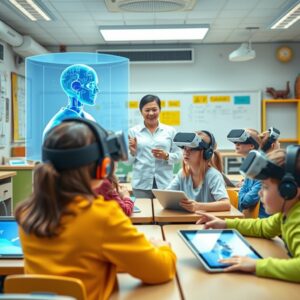
While AI excels at personalization, its true power lies in its ability to enhance experiential learning—an approach that emphasizes learning through doing, reflecting, and applying knowledge in real-world contexts. Generative AI tools are taking this concept to new heights by enabling students to engage in simulations, virtual labs, and interactive scenarios that were previously impossible or prohibitively expensive. For instance, medical students can now practice surgeries in virtual operating rooms, while engineering students can design and test prototypes in digital sandboxes, all with AI acting as a co-pilot, offering guidance and generating real-time data for analysis.
One of the most compelling examples of this synergy is the use of AI in project-based learning (PBL). In PBL, students work on complex, open-ended problems that require collaboration, creativity, and critical thinking. AI tools can assist by generating project ideas, providing research assistance, and even evaluating the feasibility of proposed solutions. For example, a group of students designing a sustainable city might use AI to simulate the environmental impact of their plans, iterate on their designs, and receive instant feedback on potential flaws. This not only deepens their understanding of the subject matter but also prepares them for the kinds of interdisciplinary challenges they will face in their careers.
The Role of Learning Analytics in Shaping Outcomes
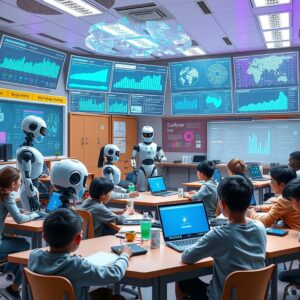
Behind the scenes, learning analytics are playing a pivotal role in this transformation. By collecting and analyzing data on student interactions, engagement levels, and performance, AI systems can identify patterns that human educators might miss. For example, learning analytics can reveal that a student who struggles with algebra concepts in a traditional classroom setting thrives when those same concepts are presented through gamified challenges or real-world applications. Armed with this insight, educators can adjust their teaching strategies to better meet the needs of each student.
Moreover, learning analytics enable a shift from reactive to proactive education. Instead of waiting for a student to fail a test before intervening, AI can flag early signs of struggle and suggest targeted resources or alternative learning pathways. This predictive capability is particularly valuable in online and hybrid learning environments, where students may feel isolated or disengaged. By providing timely support, AI helps ensure that no student falls through the cracks, fostering a more inclusive and equitable educational experience.
Bridging Gaps and Fostering Equity
One of the most profound impacts of AI in education is its potential to address long-standing inequities. Traditional education systems often favor students who thrive in standardized environments, leaving behind those who learn differently or face barriers such as language differences, disabilities, or lack of access to resources. AI-powered tools are breaking down these barriers by offering alternative ways to engage with content. For example, speech-to-text and text-to-speech technologies are making learning more accessible for students with dyslexia or visual impairments, while AI-driven translation tools are helping non-native speakers participate fully in classroom discussions.
Furthermore, AI is enabling the creation of microlearning modules that cater to diverse learning styles and schedules. These bite-sized lessons can be accessed anytime, anywhere, making education more flexible and adaptable to the needs of working professionals, parents, or students in remote areas. By lowering the barriers to entry, AI is not just personalizing learning—it is democratizing it, ensuring that education is a right, not a privilege.
The Human Element in an AI-Augmented World
Despite the remarkable advancements, the role of human educators remains irreplaceable. AI is a tool, not a replacement, and its effectiveness depends on how it is integrated into the learning experience. The best AI-powered systems are those that augment human teaching, freeing educators from administrative tasks and allowing them to focus on what they do best: inspiring, mentoring, and building relationships with their students. For instance, AI can handle grading and data analysis, giving teachers more time to design creative lessons, provide one-on-one support, and foster a classroom culture that values curiosity and collaboration.
Moreover, the ethical implications of AI in education cannot be overlooked. As these systems become more pervasive, it is crucial to ensure that they are designed with transparency, fairness, and privacy in mind. Educators, policymakers, and technologists must work together to establish guidelines that prevent bias, protect student data, and ensure that AI serves as a force for good. This collaborative approach is essential to building trust in AI-powered education and ensuring that its benefits are realized by all learners, not just a privileged few.
As we stand on the brink of this educational revolution, it is clear that AI is not just a tool but a catalyst for change. It is reshaping the way we think about learning, making it more personalized, experiential, and inclusive than ever before. The classrooms of the future will not be defined by rows of desks and standardized tests but by dynamic, adaptive environments where every student is empowered to explore, create, and grow. The journey has just begun, and the possibilities are as limitless as the curiosity of the learners who will shape the world to come.