
Summer School and Beyond: How Seasonal Learning Programs Bridge Gaps and Ignite Potential
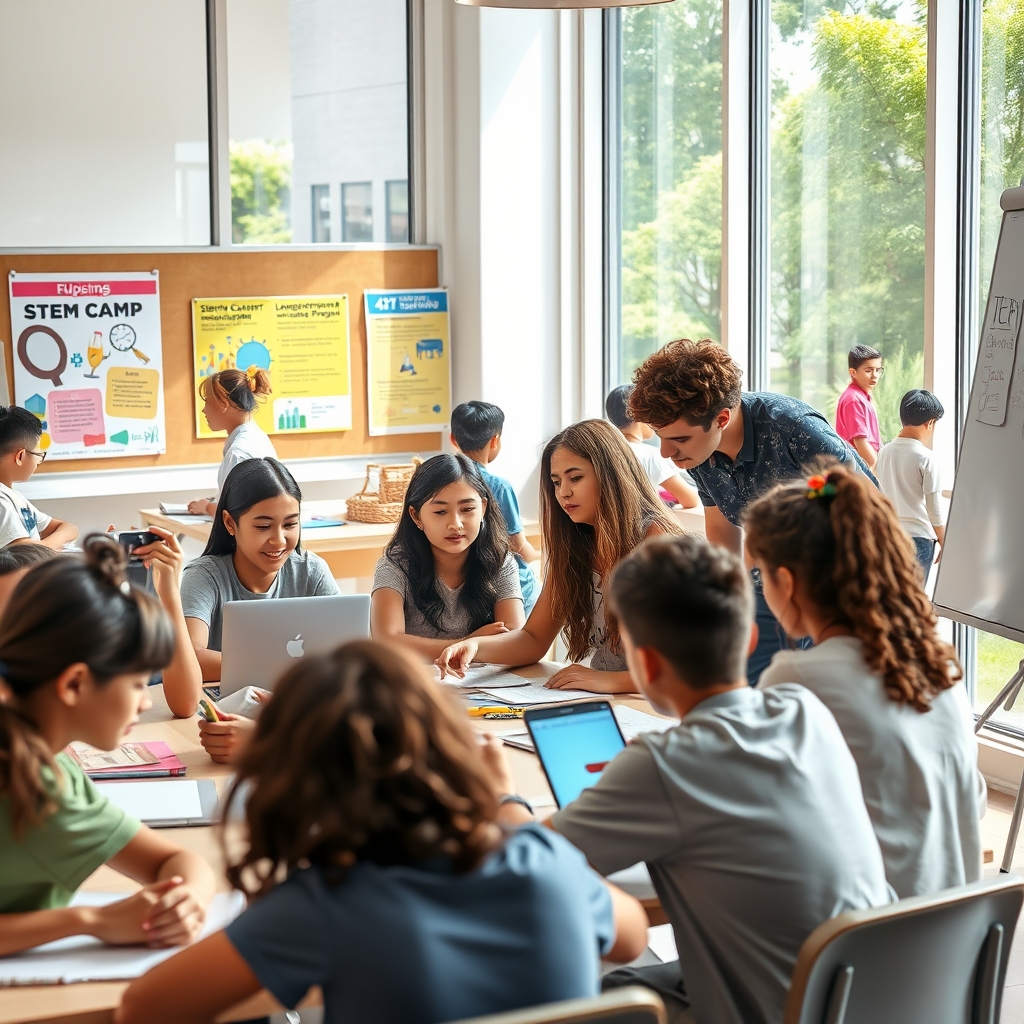
For many students, summer is synonymous with freedom—long days, no homework, and a break from the rigid structure of the academic year. Yet, for others, summer represents an invaluable opportunity to catch up, get ahead, or explore new passions through structured learning. Summer school and seasonal remedial classes have long been a staple of supplementary education, but their role has evolved far beyond mere credit recovery. Today, these programs offer a dynamic blend of academic tutoring, skill development, and enrichment, creating a bridge between traditional schooling and the demands of a rapidly changing world.
The Evolution of Summer School: From Stigma to Strategy
Historically, summer school carried a stigma, often seen as a punitive measure for students who had fallen behind. However, perceptions have shifted dramatically in recent years. Educators and parents now recognize summer learning programs as a proactive strategy to prevent the “summer slide”—the loss of academic skills and knowledge that can occur during extended breaks. Research from the National Summer Learning Association indicates that students can lose up to two months of math and reading skills over the summer, with the effects disproportionately impacting low-income students. Summer school programs, whether in-person or through online tutoring platforms, provide a structured environment to mitigate these losses while offering targeted support in areas where students struggle.
Beyond remediation, modern summer programs emphasize acceleration and enrichment. Advanced Placement (AP) prep courses, dual enrollment opportunities, and specialized skill development workshops allow high-achieving students to dive deeper into subjects they’re passionate about. For instance, a student interested in computer science might spend the summer learning coding languages through an accelerated learning program, while another could explore creative writing or debate through extracurricular-style workshops. These experiences not only bolster academic confidence but also help students discover new interests that can shape their future educational and career paths.
Tailoring Learning to Individual Needs
One of the most significant advantages of summer school and seasonal programs is their ability to offer personalized learning experiences. Unlike the one-size-fits-all approach of traditional classrooms, these programs often feature smaller class sizes, flexible scheduling, and individualized attention from instructors. Private tutoring and peer tutoring models are frequently integrated, allowing students to receive one-on-one support in subjects where they need it most. For example, a student struggling with algebra might work with a tutor to master foundational concepts before the new school year begins, while another could use the time to prepare for standardized tests like the SAT or ACT with focused test preparation strategies.
Digital learning platforms have further expanded the possibilities for personalized summer learning. Adaptive software and AI-driven tools can identify a student’s strengths and weaknesses, tailoring lessons to their specific needs. Platforms like Khan Academy, Duolingo, or Coursera offer self-paced courses in everything from calculus to foreign languages, making it easier than ever for students to explore new subjects or reinforce existing skills. These tools are particularly valuable for students in remote or underserved areas, where access to in-person tutoring or enrichment programs may be limited.
The Role of Enrichment in Summer Learning
While academic tutoring and remediation are critical components of summer programs, enrichment activities play an equally important role in fostering well-rounded development. Enrichment programs go beyond core subjects to engage students in hands-on, experiential learning. STEM camps, arts workshops, and leadership retreats are just a few examples of how summer learning can extend beyond the classroom. These activities not only make learning fun but also help students develop essential soft skills like teamwork, creativity, and problem-solving.
For instance, a summer program focused on environmental science might include field trips to local parks or nature reserves, where students can apply classroom concepts to real-world scenarios. Similarly, a language immersion program could combine formal instruction with cultural activities, such as cooking classes or film screenings, to deepen students’ understanding of the language and its context. These experiences make learning tangible and memorable, reinforcing academic concepts while sparking curiosity and a love for lifelong learning.
Building Confidence and Reducing Anxiety
For many students, the pressure of academic performance can lead to anxiety, particularly when transitioning to a new grade level or preparing for high-stakes exams. Summer school and remedial classes provide a low-stakes environment where students can build confidence in their abilities without the fear of grades or competition. This is especially true for students who may have struggled during the school year. By mastering challenging concepts in a supportive setting, they can start the new school year with a renewed sense of self-assurance.
Peer tutoring and collaborative learning models further enhance this confidence-building process. When students work together, whether in study groups or mentorship programs, they not only reinforce their own understanding but also develop empathy and communication skills. For example, a high school student tutoring a middle schooler in math might solidify their own knowledge while gaining leadership experience. These interactions foster a sense of community and belonging, which is particularly valuable for students who may feel isolated or disengaged during the regular school year.
The Future of Seasonal Learning
As education continues to evolve, so too will the role of summer school and seasonal programs. The rise of micro-credentials and competency-based learning is already influencing how these programs are structured. Instead of focusing solely on seat time or grades, future summer programs may prioritize mastery of specific skills or competencies, allowing students to earn badges or certifications that can be applied to their academic or professional portfolios. This shift aligns with the growing demand for flexible, lifelong learning opportunities that extend beyond traditional degrees.
Moreover, the integration of technology will likely play an even greater role in shaping the future of summer learning. Virtual reality (VR) and augmented reality (AR) could transform how students engage with subjects like history or science, offering immersive experiences that bring lessons to life. For example, a VR-enabled summer course on ancient civilizations might allow students to explore the pyramids of Egypt or walk through the streets of ancient Rome, making history feel vivid and immediate. Similarly, AI-powered tutors could provide instant feedback and personalized support, adapting in real-time to a student’s learning style and pace.
Summer school and seasonal learning programs are no longer just a stopgap for struggling students—they are a vital component of a holistic education system. By blending academic tutoring, enrichment, and skill development, these programs help students of all backgrounds and abilities unlock their full potential. Whether it’s mastering a difficult subject, discovering a new passion, or gaining the confidence to tackle future challenges, the impact of summer learning extends far beyond the classroom. As the lines between formal and informal education continue to blur, these programs will play an increasingly important role in shaping the next generation of learners, innovators, and leaders.



