
The AI Learning Playbook: Crafting Adaptive, Engaging, and Equitable Educational Journeys Through Microlearning and Gamification
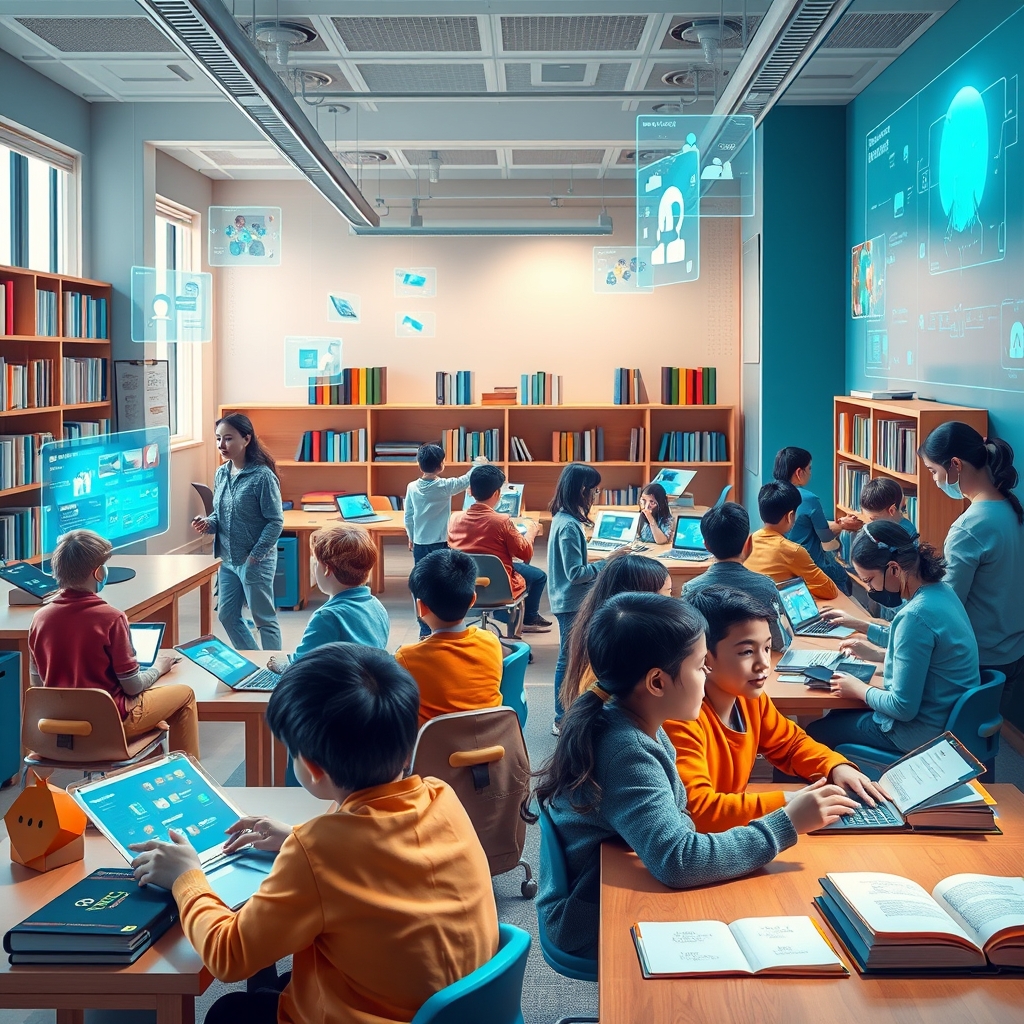
Education is no longer confined to the four walls of a classroom or the rigid structure of a traditional curriculum. The digital transformation of learning has ushered in an era where adaptability, engagement, and equity are not just ideals but achievable realities. At the heart of this evolution lies the fusion of artificial intelligence with innovative pedagogical approaches like microlearning and gamified learning. Together, they are redefining how knowledge is acquired, retained, and applied, making education more dynamic, inclusive, and responsive to the needs of every learner.
The Power of Microlearning in an AI-Driven World
Microlearning, the practice of delivering content in small, focused bursts, has emerged as a game-changer in modern education. Unlike traditional methods that often overwhelm learners with lengthy lectures or dense textbooks, microlearning breaks down complex topics into digestible, bite-sized modules. This approach aligns perfectly with the cognitive load theory, which suggests that the human brain processes information more effectively when it is presented in smaller, manageable chunks. AI amplifies this effect by personalizing these micro-lessons to suit individual learning paces, preferences, and styles.
For instance, AI-powered platforms can analyze a student’s performance in real-time and adjust the difficulty or focus of subsequent micro-lessons accordingly. If a learner struggles with a particular concept, the system can provide additional resources, such as short videos, interactive quizzes, or even one-on-one tutoring through intelligent tutoring systems. This level of personalization ensures that no learner is left behind, fostering a sense of confidence and competence that traditional one-size-fits-all approaches often fail to deliver.
Gamified Learning: Turning Education into an Engaging Adventure
Gamification, the integration of game-like elements into non-game contexts, has proven to be a powerful tool for boosting engagement and motivation in education. By incorporating features such as points, badges, leaderboards, and challenges, gamified learning transforms the educational experience into an interactive and enjoyable journey. AI takes this a step further by dynamically adapting the gamified elements to suit the learner’s progress, ensuring that the experience remains challenging yet achievable.
Consider a language-learning app that uses AI to tailor vocabulary exercises based on a user’s proficiency level. As the learner masters new words, the app introduces more complex phrases or idioms, all while rewarding progress with virtual badges or unlocking new levels. This not only makes learning fun but also instills a sense of accomplishment that keeps learners coming back for more. Moreover, gamification fosters healthy competition and collaboration, as learners can compare their progress with peers or work together to achieve common goals, further enhancing the social aspect of education.
Bridging Gaps with Inclusive Design
One of the most significant advantages of AI-driven microlearning and gamification is their potential to make education more inclusive. Traditional educational systems often struggle to accommodate the diverse needs of learners, particularly those with disabilities, learning differences, or socio-economic barriers. AI-powered tools, however, can adapt content delivery to suit a wide range of needs, ensuring that every learner has an equal opportunity to succeed.
For example, AI can generate real-time captions for videos, provide text-to-speech functionality for learners with visual impairments, or adjust the complexity of language for non-native speakers. Gamified platforms can also offer multiple pathways to success, allowing learners to choose the methods that work best for them. This flexibility not only levels the playing field but also empowers learners to take ownership of their educational journey, fostering a sense of agency and self-efficacy.
The Role of Learning Analytics in Shaping the Future
Behind the scenes, learning analytics play a crucial role in making AI-driven microlearning and gamification so effective. By collecting and analyzing data on learner behavior, performance, and engagement, these systems can identify patterns and trends that inform instructional design. For instance, if a significant number of learners struggle with a particular concept, the system can flag this for educators, who can then adjust the curriculum or provide additional support.
Learning analytics also enable educators to track progress over time, offering insights into how learners are evolving and where they might need additional guidance. This data-driven approach ensures that education is not just personalized but also evidence-based, allowing for continuous improvement and refinement of teaching strategies. Furthermore, learning analytics can help institutions identify systemic barriers to learning, such as gaps in resources or inequities in access, enabling them to take proactive steps toward creating a more equitable educational landscape.
Experiential Learning in the Digital Age
While microlearning and gamification excel at delivering content in engaging ways, experiential learning ensures that knowledge is not just consumed but applied in real-world contexts. AI enhances experiential learning by creating immersive, interactive environments where learners can practice skills, solve problems, and receive instant feedback. For example, virtual labs powered by AI can simulate scientific experiments, allowing students to conduct trials, make mistakes, and learn from them without the constraints of physical resources or safety concerns.
Similarly, AI-driven project-based learning platforms can guide learners through complex, interdisciplinary projects, such as designing a sustainable city or developing a business plan. These platforms can provide scaffolding, resources, and feedback at each stage of the project, ensuring that learners remain engaged and on track. By blending experiential learning with AI, educators can create opportunities for learners to develop critical thinking, creativity, and collaboration skills—qualities that are essential for success in the 21st century.
The Path Forward: Equity, Engagement, and Lifelong Learning
As AI continues to evolve, its potential to transform education grows exponentially. However, the true measure of its success lies not in the sophistication of the technology but in its ability to create equitable, engaging, and lifelong learning opportunities for all. Microlearning and gamification are just two examples of how AI can make education more accessible, enjoyable, and effective. By leveraging these tools, educators can move beyond the limitations of traditional teaching methods and embrace a future where learning is as unique as the individuals pursuing it.
The journey toward this future is not without challenges. Issues such as data privacy, algorithmic bias, and the digital divide must be addressed to ensure that AI-driven education remains fair and inclusive. Yet, with careful planning, collaboration, and a commitment to equity, the fusion of AI with innovative pedagogical approaches holds the promise of a brighter, more inclusive educational landscape. In this landscape, every learner has the tools, support, and opportunities they need to thrive, not just in the classroom but in life.



