
The AI Learning Frontier: How Intelligent Systems Are Cultivating Digital Fluency and Inclusive Critical Thinking Through Experiential Pathways
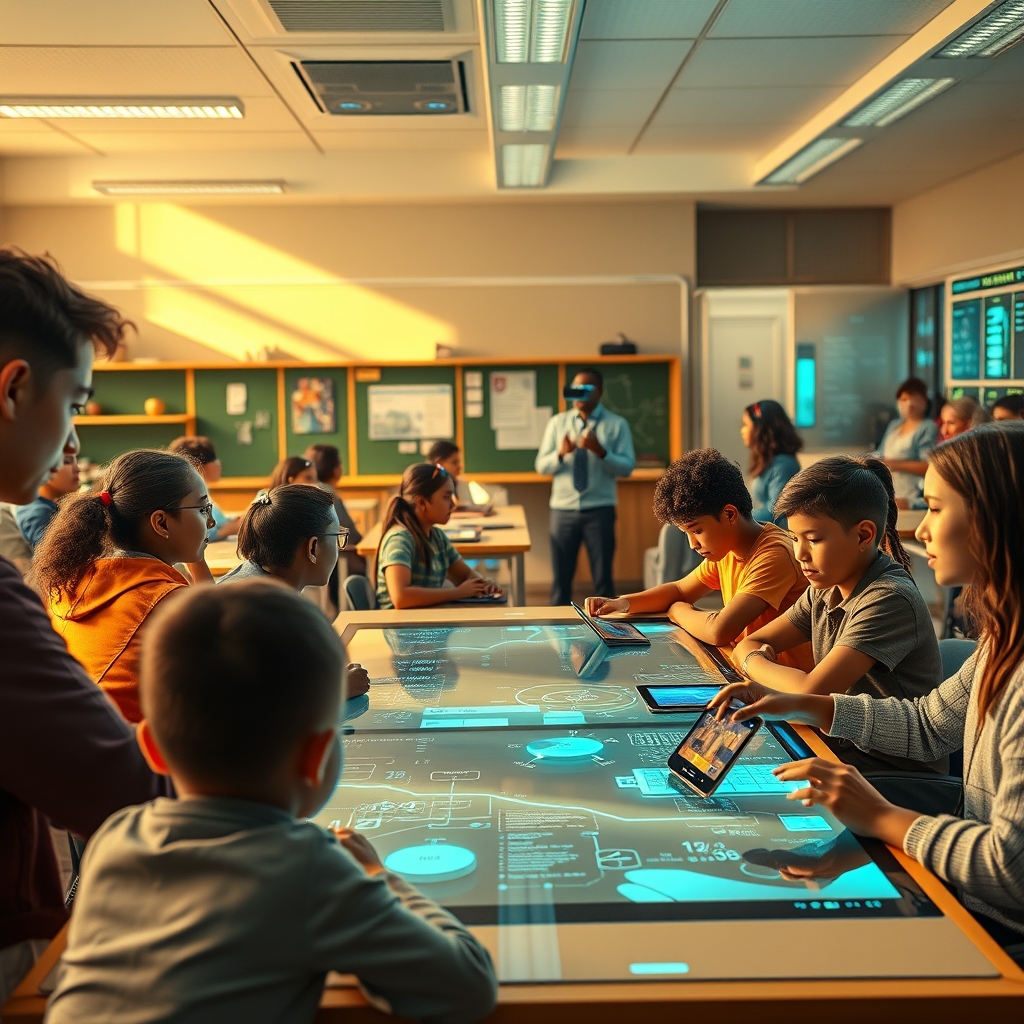
Education is no longer confined to the four walls of a classroom or the static pages of a textbook. The digital transformation sweeping across industries has reached the heart of learning, introducing tools and methodologies that are reshaping how knowledge is acquired, processed, and applied. At the forefront of this evolution is artificial intelligence, a catalyst that is not only enhancing traditional educational models but also redefining the very essence of how we learn. By integrating AI into educational frameworks, institutions are unlocking unprecedented opportunities for personalized, inclusive, and experiential learning—pathways that empower learners to develop critical thinking skills and digital fluency in ways previously unimaginable.
The Rise of Personalized Learning: AI as the Architect of Individual Journeys
One of the most transformative impacts of AI in education is its ability to tailor learning experiences to the unique needs of each student. Traditional education often operates on a one-size-fits-all model, where the pace, content, and delivery are standardized for an entire class. However, this approach fails to account for the diverse learning styles, paces, and interests of individual students. AI-driven platforms are changing this narrative by leveraging data and machine learning algorithms to create dynamic, adaptive learning pathways.
Intelligent tutoring systems, for example, analyze a student’s performance in real-time, identifying strengths, weaknesses, and learning preferences. These systems then adjust the difficulty of tasks, provide targeted feedback, and suggest resources that align with the learner’s needs. The result is a highly personalized experience that keeps students engaged and motivated, reducing the frustration that often accompanies traditional learning environments. For instance, platforms like Duolingo and Khan Academy use AI to adapt lessons based on user performance, ensuring that learners are neither bored by material that is too easy nor overwhelmed by content that is too challenging.
Blended Learning: The Best of Both Worlds
While AI excels at personalization, its true potential is unlocked when combined with blended learning—a hybrid approach that merges traditional face-to-face instruction with digital tools. Blended learning models leverage AI to enhance the in-person experience, creating a seamless integration of technology and human interaction. For example, AI-powered learning management systems (LMS) can track student progress, recommend supplementary materials, and even facilitate collaborative projects by matching students with complementary skills and interests.
This hybrid model is particularly effective in fostering digital literacy, a skill that is increasingly essential in today’s technology-driven world. By exposing students to AI tools, digital platforms, and online resources, blended learning environments help them develop the confidence and competence to navigate the digital landscape. Moreover, AI can assist educators in identifying gaps in digital literacy among students, allowing them to design targeted interventions that ensure no learner is left behind.
Generative Tools: Unlocking Creativity and Critical Thinking
Generative AI tools, such as large language models and AI-powered design platforms, are revolutionizing the way students engage with content. These tools enable learners to generate ideas, create original work, and explore concepts in ways that were previously limited by time, resources, or imagination. For example, students can use AI to draft essays, design prototypes, or even compose music, allowing them to focus on higher-order thinking skills like analysis, evaluation, and creativity.
However, the integration of generative tools into education is not without its challenges. Critics argue that over-reliance on AI could stifle original thought or lead to academic dishonesty. To address these concerns, educators are adopting a balanced approach, using generative tools as a springboard for deeper learning rather than a crutch. For instance, AI-generated drafts can serve as a starting point for students to refine and expand upon, fostering critical thinking and problem-solving skills. By guiding students on how to use these tools responsibly, educators can ensure that AI enhances rather than undermines the learning process.
Learning Analytics: Data-Driven Insights for Inclusive Education
AI’s ability to collect and analyze vast amounts of data is transforming education into a more inclusive and equitable space. Learning analytics—powered by AI—provide educators with real-time insights into student performance, engagement, and behavior. These insights enable teachers to identify at-risk students early, tailor interventions to their needs, and create a more supportive learning environment. For example, AI can detect patterns in student participation, such as a decline in engagement or a struggle with specific concepts, allowing educators to intervene before these issues escalate.
Moreover, learning analytics can help institutions address systemic inequities in education. By analyzing data on student demographics, socioeconomic backgrounds, and learning outcomes, AI can identify disparities in access to resources or opportunities. Armed with this information, educators and policymakers can design targeted programs that ensure all students, regardless of their background, have the support they need to succeed. For instance, AI-driven platforms can recommend scholarships, mentorship programs, or additional learning resources to students from underrepresented or disadvantaged groups, leveling the playing field and promoting educational equity.
Experiential Learning: Bridging the Gap Between Theory and Practice
Experiential learning—learning by doing—is a powerful approach that AI is amplifying in modern education. By simulating real-world scenarios, AI-powered platforms enable students to apply theoretical knowledge in practical contexts, deepening their understanding and retention of concepts. For example, virtual labs in science education allow students to conduct experiments in a risk-free environment, while AI-driven simulations in business courses enable learners to practice decision-making in realistic market scenarios.
Project-based learning (PBL) is another area where AI is making a significant impact. AI tools can assist students in managing complex projects, from brainstorming ideas to organizing tasks and collaborating with peers. For instance, AI-powered project management platforms can break down large projects into manageable steps, assign roles based on individual strengths, and provide real-time feedback on progress. This not only enhances the learning experience but also prepares students for the collaborative and dynamic nature of the modern workforce.
The Future of AI in Education: Challenges and Opportunities
As AI continues to evolve, its role in education will expand, bringing both opportunities and challenges. One of the most pressing concerns is the ethical use of AI, particularly in areas like data privacy, algorithmic bias, and the digital divide. Educators and policymakers must work together to establish guidelines that ensure AI is used responsibly and equitably, protecting students’ rights and promoting inclusivity.
Another challenge is the need for digital literacy among educators. To fully harness the potential of AI, teachers must be equipped with the skills and knowledge to integrate these tools into their pedagogy. Professional development programs that focus on AI literacy, digital fluency, and innovative teaching strategies will be essential in preparing educators for the future of learning.
Despite these challenges, the opportunities presented by AI in education are vast. From personalized learning pathways to inclusive, experiential environments, AI is not just transforming how we learn—it is redefining what it means to be educated in the 21st century. As we stand on the brink of this new frontier, the fusion of human ingenuity and artificial intelligence holds the promise of a more equitable, engaging, and empowering educational landscape, where every learner has the tools and opportunities to thrive in an increasingly complex world.



