
The Unwritten Curriculum: How Study Abroad Programs Cultivate Global Citizenship Through Everyday Experiences
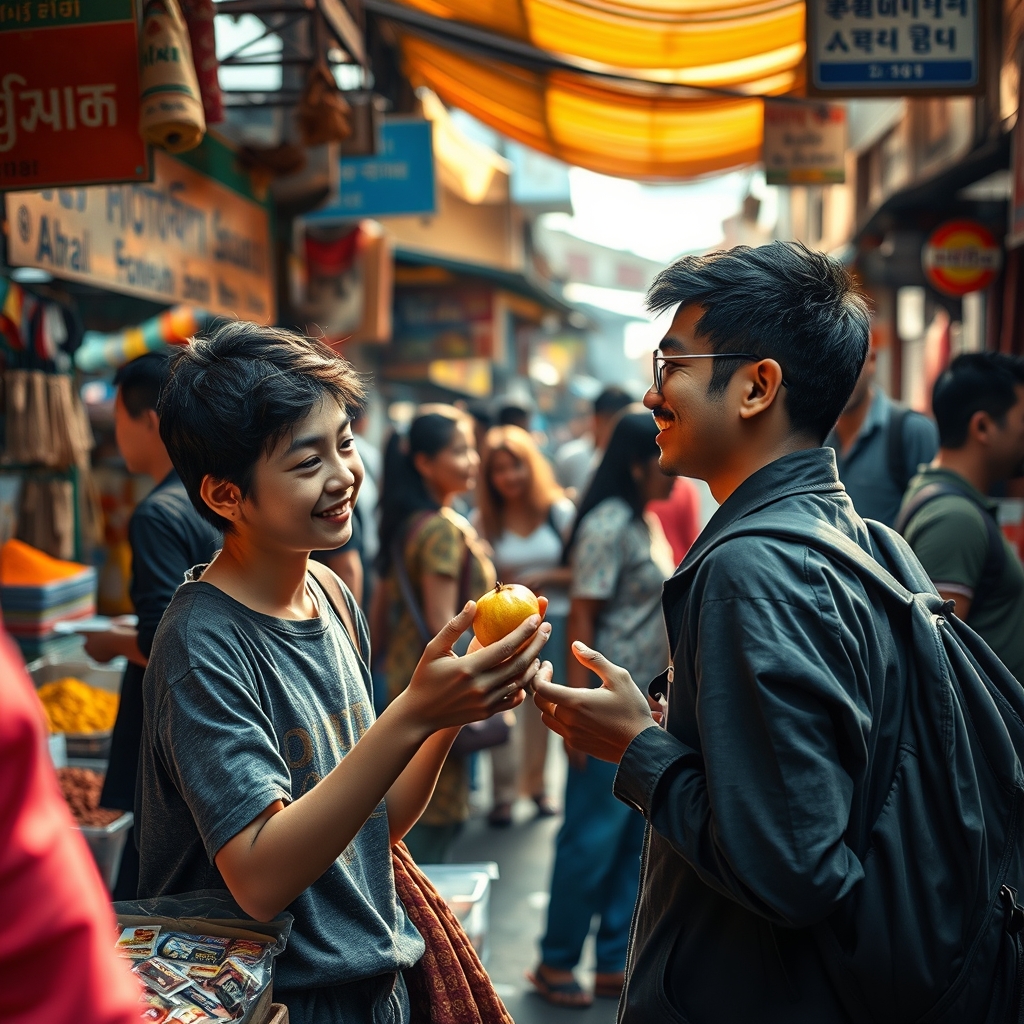
In an era where borders are increasingly porous and digital connectivity shrinks distances, the concept of global citizenship has evolved from a lofty ideal into a practical necessity. Yet, while classrooms around the world now incorporate global perspectives into their curricula, there remains an unwritten curriculum—one that is learned not through textbooks or lectures, but through the lived experiences of studying abroad. These programs do more than transfer academic credits; they reshape worldviews, foster intercultural competence, and cultivate the kind of adaptability that no online course can replicate. The true power of study abroad programs lies not in the destinations they promise, but in the everyday moments that challenge, surprise, and ultimately transform students into citizens of the world.
The Myth of the Perfect Study Abroad Experience
Popular narratives often paint study abroad as a series of Instagram-worthy adventures: sipping espresso in a Parisian café, hiking through the Andes, or exploring ancient temples in Kyoto. While these experiences are undeniably enriching, they represent only a fraction of what it means to live and learn in a foreign country. The reality is far more nuanced—and far more valuable. The unwritten curriculum begins the moment a student steps off the plane, disoriented by a new language, unfamiliar customs, and the sudden absence of the comforts of home. It is in these moments of discomfort that the most profound learning occurs.
Take, for example, the simple act of grocery shopping. In a foreign country, even this mundane task becomes a lesson in cross-cultural adaptability. Labels are indecipherable, payment methods differ, and the products themselves may be unrecognizable. A student might spend 20 minutes searching for a specific ingredient, only to discover that it doesn’t exist—or that there are five local alternatives, each with its own cultural significance. These small challenges force students to think critically, problem-solve, and engage with their surroundings in ways they never would in their home country. Over time, these experiences accumulate, building a resilience and flexibility that are invaluable in an interconnected world.
The Role of Host Families and Local Communities
While universities and Erasmus Plus scholarships provide the structural framework for study abroad, it is often the informal interactions—those that occur outside the classroom—that leave the deepest impact. Host family placements, in particular, serve as a microcosm of cultural exchange, offering students a front-row seat to the rhythms of daily life in their host country. Unlike tourists, who observe culture from a distance, students living with host families become temporary participants in it. They celebrate local holidays, share meals, and navigate the unspoken rules of household dynamics, all while contributing their own perspectives to the mix.
These relationships are not without their challenges. Miscommunications are inevitable, whether due to language barriers or differing expectations. A student might accidentally offend their host family by declining a meal, unaware that refusal is considered rude in their host culture. Conversely, a host family might struggle to understand why their guest prefers solitude over constant socializing. Yet, it is precisely these moments of friction that foster intercultural competence. Students learn to navigate ambiguity, to ask questions rather than make assumptions, and to approach differences with curiosity rather than judgment. These skills extend far beyond the duration of the program, shaping how students engage with diversity in their future careers and communities.
The Language of Connection
One of the most tangible benefits of studying abroad is the opportunity to develop foreign language fluency, but the process is rarely as straightforward as it seems. Language acquisition is not merely about memorizing vocabulary or mastering grammar; it is about learning to communicate in a way that transcends words. A student might spend months studying Spanish in a classroom, only to arrive in Madrid and realize that the language they’ve learned is a simplified, academic version of what people actually speak. Slang, regional accents, and cultural context all play a role in shaping how language is used—and misused—in real life.
This is where language exchange programs and informal interactions become invaluable. Whether through a structured virtual exchange program or casual conversations with classmates, students quickly learn that language is a living, evolving entity. They might struggle to order coffee in a local dialect, only to have a barista patiently guide them through the process. They might mispronounce a word and receive a good-natured correction from a stranger. These interactions, though small, reinforce the idea that language is not just a tool for communication but a bridge to deeper understanding. Over time, students begin to think in their new language, dream in it, and even joke in it—signs that they are no longer just learning a language, but living it.
The Long-Term Impact of Short-Term Programs
While semester-long and year-long study abroad programs are often celebrated for their depth of experience, short-term study abroad programs—those lasting a few weeks to a couple of months—are gaining traction for their accessibility and concentrated impact. These programs are particularly appealing to students who may not have the time or financial resources to commit to a longer stay abroad. Despite their brevity, short-term programs can be just as transformative, offering a condensed version of the challenges and rewards of living in a foreign country.
The key to their effectiveness lies in their intensity. In a short-term program, every day counts. Students are immersed in a new environment from the moment they arrive, with little time to ease into their surroundings. This can be overwhelming, but it also accelerates the learning process. A three-week program in Japan, for example, might include homestays, language classes, cultural workshops, and excursions to historical sites—all designed to maximize exposure to the host culture. By the end of the program, students may not be fluent in Japanese or fully acclimated to local customs, but they will have gained something far more valuable: a new lens through which to view the world.
The Digital Dimension: Virtual Exchange Programs
Not all global learning experiences require a passport. Virtual exchange programs have emerged as a powerful alternative for students who are unable to travel due to financial, health, or logistical constraints. These programs connect students from different countries through online platforms, allowing them to collaborate on projects, engage in discussions, and learn from one another’s perspectives. While they lack the physical immersion of traditional study abroad, virtual exchanges offer their own unique advantages, particularly in the realm of global citizenship education.
One of the most significant benefits of virtual exchange is its ability to foster long-term, sustained interactions. Unlike a short-term study abroad program, which may last only a few weeks, virtual exchanges can span an entire semester or academic year. This extended timeline allows students to build deeper relationships with their international peers, moving beyond surface-level cultural exchanges to tackle complex global issues together. A student in the United States might collaborate with a peer in Kenya to explore solutions to climate change, or a student in Brazil might work with a classmate in Germany to analyze the impact of social media on democracy. These collaborations not only broaden students’ worldviews but also equip them with the skills to navigate an increasingly interconnected world.
Beyond the Classroom: The Hidden Lessons of Study Abroad
The unwritten curriculum of study abroad is not found in syllabi or course descriptions. It is found in the moments of frustration when a student realizes they’ve misunderstood a cultural norm, in the laughter shared with new friends over a failed attempt at cooking a local dish, and in the quiet reflection that comes from sitting alone in a foreign city, watching the world go by. These experiences teach students that global citizenship is not about having all the answers, but about asking the right questions. It is about approaching the world with humility, curiosity, and a willingness to be changed by what you encounter.
Perhaps the most enduring lesson of study abroad is that the world is far more complex—and far more beautiful—than any single narrative can capture. A student who arrives in a foreign country with preconceived notions about its culture will quickly discover that those notions are incomplete, if not entirely inaccurate. They will meet people who defy stereotypes, encounter traditions that challenge their assumptions, and find themselves questioning beliefs they once took for granted. In doing so, they will not only gain a deeper understanding of the world but also of themselves. The unwritten curriculum of study abroad is, at its core, a journey of self-discovery—one that begins with a single step outside one’s comfort zone and ends with the realization that the world is both vast and intimately knowable, if only we are willing to engage with it.



