
The Transformative Power of Peer Tutoring: Building Confidence and Collaboration in Supplementary Education
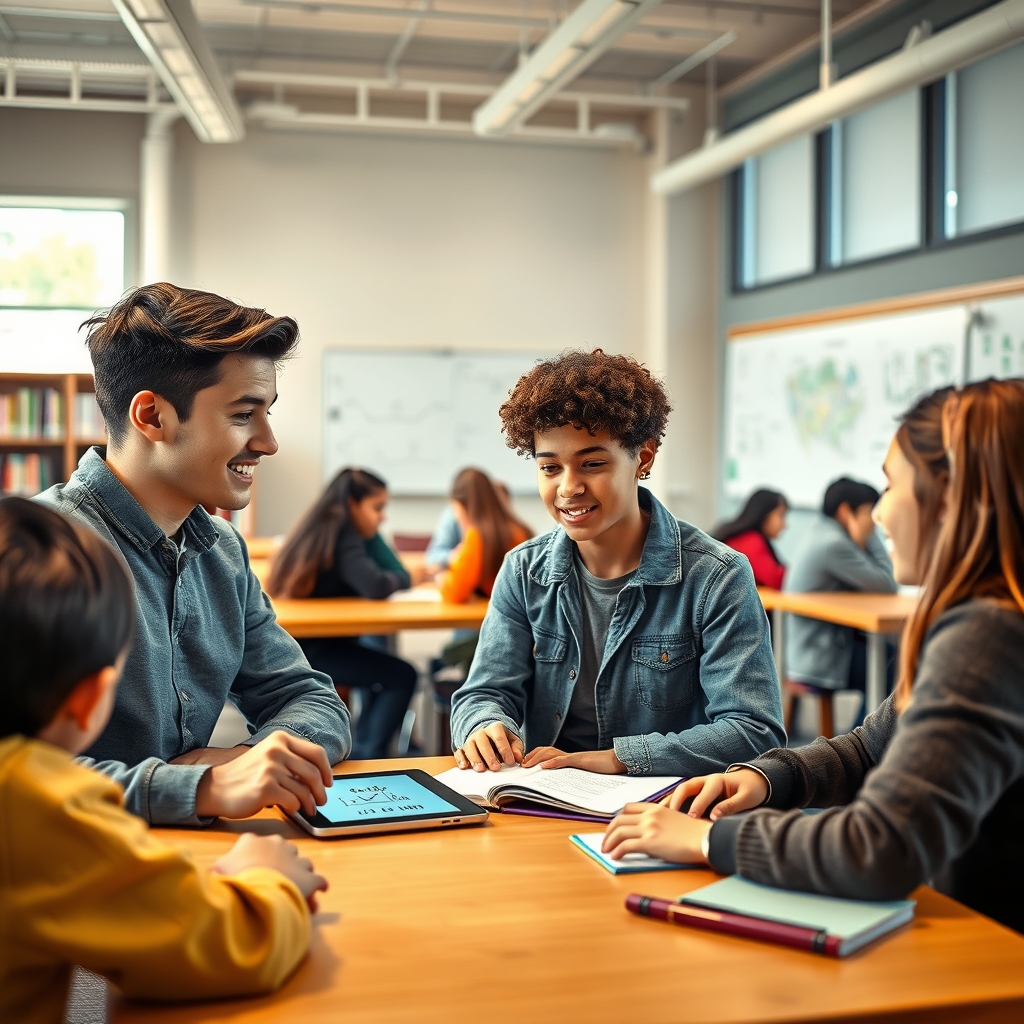
In the ever-evolving landscape of education, the traditional classroom setting often struggles to address the diverse learning needs of every student. While some thrive in structured environments, others may find themselves falling behind due to gaps in understanding, lack of engagement, or simply a different pace of learning. This is where peer tutoring emerges as a powerful tool in supplementary education, offering a unique blend of academic support and interpersonal growth that benefits both tutors and tutees alike.
The Rise of Peer Tutoring in Modern Education
Peer tutoring is not a new concept, but its integration into after-school programs and remedial classes has gained significant traction in recent years. Unlike traditional private tutoring, where an adult or professional educator leads the session, peer tutoring involves students helping one another under the guidance of a teacher or program coordinator. This approach fosters a sense of community and collaboration, breaking down the barriers that often exist between students of different academic levels.
One of the most compelling aspects of peer tutoring is its ability to create a low-pressure learning environment. Students often feel more comfortable asking questions and admitting struggles to their peers than they do with teachers or even parents. This comfort level can lead to more open communication, deeper understanding, and ultimately, better academic outcomes. Additionally, peer tutoring can be seamlessly integrated into online tutoring platforms, making it accessible to students regardless of their location.
Academic Benefits: More Than Just Homework Help
At its core, peer tutoring provides homework help and reinforces classroom learning, but its benefits extend far beyond that. For tutees, working with a peer can demystify complex concepts, as explanations often come in relatable, student-friendly language. This can be particularly effective in subjects like math or science, where abstract ideas can be challenging to grasp. Moreover, peer tutors often employ creative strategies to explain concepts, such as using real-world examples or interactive activities, which can make learning more engaging and memorable.
For the tutors, the experience is equally rewarding. Teaching a concept to someone else requires a deep understanding of the material, which reinforces the tutor’s own knowledge. This phenomenon, known as the “protégé effect,” has been shown to improve the tutor’s academic performance as well. Additionally, serving as a peer tutor can boost confidence, leadership skills, and a sense of responsibility—qualities that are invaluable both inside and outside the classroom.
Peer Tutoring in Test Preparation and Skill Development
Peer tutoring is not limited to general academic support; it can also play a crucial role in test preparation and skill development courses. For example, students preparing for Advanced Placement (AP) courses or standardized tests like the SAT or ACT can benefit from peer-led study groups. These groups allow students to share strategies, practice problems, and hold each other accountable, creating a collaborative and motivating environment. Similarly, peer tutoring can be incorporated into language classes, where students can practice speaking and listening skills with one another in a supportive setting.
Beyond academics, peer tutoring can also be a valuable component of enrichment programs and extracurricular activities. For instance, students involved in coding clubs, debate teams, or science fairs can mentor one another, fostering a culture of shared learning and innovation. This not only enhances their technical skills but also cultivates soft skills like teamwork, communication, and problem-solving.
The Social and Emotional Impact of Peer Tutoring
While the academic benefits of peer tutoring are well-documented, its social and emotional impact is equally profound. For many students, struggling academically can lead to feelings of isolation or inadequacy. Peer tutoring helps combat these negative emotions by creating a sense of belonging and mutual support. Tutees often develop greater self-esteem as they overcome challenges with the help of their peers, while tutors gain a sense of pride and accomplishment from making a difference in someone else’s learning journey.
Moreover, peer tutoring can help bridge gaps between students from different backgrounds or abilities. In diverse classrooms, where students may have varying levels of prior knowledge or language proficiency, peer tutoring can serve as a unifying force. It encourages students to learn from one another’s perspectives, fostering empathy and cultural understanding. This is particularly important in today’s globalized world, where collaboration and communication across differences are essential skills.
Implementing Peer Tutoring in Schools and Communities
For schools and communities looking to implement peer tutoring programs, there are several key considerations to ensure success. First, it’s important to provide training for peer tutors, equipping them with the skills they need to effectively support their peers. This might include workshops on communication, active listening, and strategies for explaining difficult concepts. Additionally, programs should be structured to allow for flexibility, so that tutors and tutees can work together in ways that suit their individual needs and schedules.
Another critical factor is creating a culture that values peer tutoring. This can be achieved by recognizing and celebrating the contributions of peer tutors, whether through awards, certificates, or public acknowledgments. Schools can also integrate peer tutoring into their broader supplementary education offerings, such as after-school programs or summer school, to ensure that it becomes a sustainable and integral part of the learning ecosystem.
Technology can also play a role in scaling peer tutoring initiatives. Digital learning platforms and online tutoring tools can connect students across different classrooms, schools, or even regions, expanding the reach of peer tutoring beyond physical boundaries. These platforms can also provide resources and tracking tools to help monitor progress and ensure that both tutors and tutees are getting the most out of the experience.
As education continues to evolve, the role of peer tutoring in supplementary education is likely to grow even more significant. By leveraging the power of collaboration, peer tutoring not only enhances academic outcomes but also fosters a sense of community and shared purpose among students. It transforms learning from a solitary endeavor into a collective journey, where every student has the opportunity to grow, contribute, and succeed. In a world where the demands of education are constantly changing, peer tutoring offers a timeless and adaptable solution that empowers students to take ownership of their learning and support one another along the way.



