
AI and the Future of Interdisciplinary Learning: Preparing Students for a World Without Boundaries
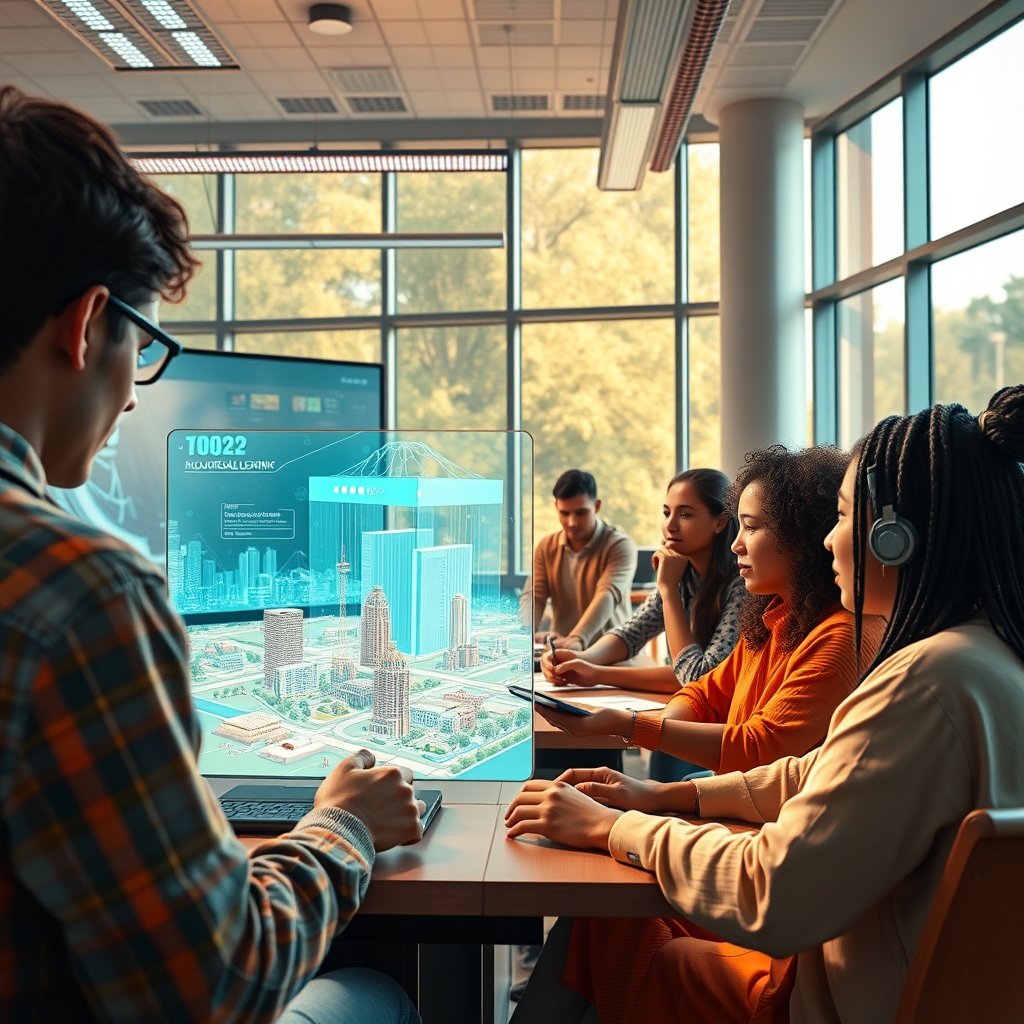
Education has long been structured around rigid subject silos—mathematics in one classroom, literature in another, and science confined to its own domain. Yet, the challenges of the 21st century demand a different approach. Climate change, global health crises, and technological disruption are complex, interconnected problems that defy traditional disciplinary boundaries. This is where Artificial Intelligence (AI) steps in, not just as a tool for automation, but as a catalyst for interdisciplinary learning, fostering the kind of flexible, adaptive thinking that modern learners need to thrive.
The Limitations of Traditional Education
For decades, education systems have prioritized specialization, training students to excel within narrow fields. While this model has produced experts in specific domains, it often falls short in preparing learners for real-world problems that require synthesis across multiple disciplines. A climate scientist, for example, must understand not only atmospheric data but also economics, policy, and social behavior to drive meaningful change. Similarly, an entrepreneur in the tech industry needs a blend of engineering, design, ethics, and business acumen to innovate responsibly.
Yet, most classrooms still operate in isolation, with little opportunity for students to explore the intersections between subjects. This fragmentation limits creativity, stifles innovation, and leaves learners ill-equipped to tackle the multifaceted challenges of the modern world. The question then becomes: How can education evolve to reflect the interconnected nature of knowledge?
AI as the Bridge Between Disciplines
Artificial Intelligence is uniquely positioned to break down these barriers by enabling dynamic, cross-disciplinary learning experiences. Unlike traditional teaching methods, AI-driven platforms can analyze vast amounts of data to identify patterns, suggest connections, and personalize learning pathways that span multiple subjects. For instance, an AI-powered learning system could help a student exploring renewable energy to seamlessly integrate concepts from physics, environmental science, economics, and even ethics, all within a single project.
One of the most promising applications of AI in interdisciplinary learning is through generative tools. These tools can create simulations, case studies, and interactive scenarios that require students to draw on knowledge from various fields. Imagine a virtual lab where students design a sustainable city: they would need to apply principles of engineering, urban planning, environmental science, and social equity to succeed. AI can generate real-time feedback, adjust the complexity of the task based on the student’s progress, and even introduce unexpected variables—like a sudden economic downturn or a natural disaster—to test their adaptability.
The Role of Learning Analytics in Interdisciplinary Mastery
Another way AI enhances interdisciplinary learning is through learning analytics. By tracking a student’s engagement, performance, and problem-solving strategies across different subjects, AI can identify gaps in understanding and suggest targeted interventions. For example, if a student struggles with a project that combines biology and data science, the system might recommend additional resources on statistical analysis or provide a mentor who specializes in bioinformatics.
This data-driven approach also benefits educators, who can use insights from learning analytics to design more effective interdisciplinary curricula. Instead of guessing which connections between subjects will resonate with students, teachers can rely on AI-generated reports to tailor their instruction, ensuring that lessons are both relevant and engaging.
Experiential and Project-Based Learning: The AI Advantage
Interdisciplinary learning thrives in environments where students can apply their knowledge to real-world problems. Project-Based Learning (PBL) and experiential learning are pedagogical approaches that align perfectly with this goal, and AI can amplify their impact. By integrating AI into PBL, educators can create more immersive, adaptive, and scalable learning experiences.
Consider a high school class tasked with developing a solution to food insecurity in their community. With AI support, students could access tools to analyze local agricultural data, simulate the economic impact of their proposed solutions, and even use generative AI to draft policy recommendations. The AI system could also facilitate collaboration between students with different strengths—some might excel in data analysis, while others bring creativity or persuasive communication skills to the table. By working together on a complex, real-world problem, students not only deepen their understanding of individual subjects but also learn how to synthesize knowledge across disciplines.
Fostering Critical Thinking in a Connected World
At its core, interdisciplinary learning is about more than just combining subjects—it’s about cultivating critical thinking and the ability to navigate ambiguity. In a world where information is abundant but context is often lacking, students must learn to evaluate sources, question assumptions, and make connections between seemingly unrelated ideas. AI can play a pivotal role in this process by exposing students to diverse perspectives and challenging them to think beyond their comfort zones.
For example, an AI-powered debate platform could present students with a controversial topic—such as the ethical implications of genetic engineering—and require them to argue from multiple disciplinary viewpoints. A student might need to draw on biology to understand the science, philosophy to explore ethics, and economics to assess the societal impact. Through this process, they develop the intellectual flexibility needed to tackle complex, open-ended problems.
Equity and Inclusion in Interdisciplinary AI Education
While AI has the potential to revolutionize interdisciplinary learning, its benefits must be accessible to all students, regardless of their background. Educational equity is a critical consideration, as disparities in access to technology and resources can exacerbate existing inequalities. To ensure that AI-driven interdisciplinary learning is inclusive, educators and policymakers must prioritize:
- Digital Literacy: Students need foundational skills to navigate AI tools effectively. Schools must integrate digital literacy into their curricula, ensuring that all learners—especially those from underserved communities—have the opportunity to develop these competencies.
- Culturally Responsive AI: AI systems must be designed to reflect the diversity of the students they serve. This means incorporating diverse datasets, avoiding biases in algorithms, and ensuring that learning materials are culturally relevant and inclusive.
- Teacher Training: Educators play a crucial role in facilitating interdisciplinary learning. Professional development programs should equip teachers with the skills to integrate AI tools into their classrooms and design lessons that bridge multiple subjects.
By addressing these challenges, AI can become a powerful force for equity, helping to level the playing field and provide all students with the tools they need to succeed in an interconnected world.
As the boundaries between disciplines continue to blur, education must evolve to reflect the complexity of the modern world. Artificial Intelligence is not just a tool for automating tasks or personalizing learning—it is a gateway to a new era of interdisciplinary education, where students are empowered to think critically, solve problems creatively, and connect ideas across fields. The future of learning lies not in isolated subjects, but in the rich, dynamic intersections between them, and AI is the key to unlocking this potential. By embracing AI-driven interdisciplinary learning, we can prepare students to navigate a world without boundaries, where the most pressing challenges—and the most exciting opportunities—lie at the crossroads of knowledge.



