The Convergence of AI and Blended Learning: Crafting Dynamic, Student-Centric Educational Ecosystems
Education is undergoing a profound transformation, driven by the fusion of artificial intelligence and blended learning methodologies. This synergy is not merely about integrating technology into classrooms but reimagining how knowledge is delivered, absorbed, and applied. As educators and institutions grapple with the demands of a rapidly evolving world, the combination of AI and blended learning emerges as a powerful framework for creating dynamic, student-centric educational ecosystems that prioritize flexibility, engagement, and equity.
The Evolution of Blended Learning
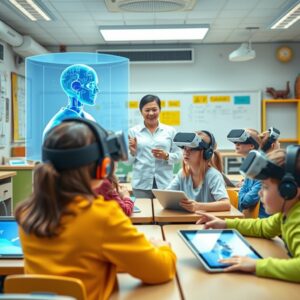
Blended learning, a hybrid approach that combines traditional face-to-face instruction with online learning, has long been celebrated for its ability to cater to diverse learning styles. However, its potential has often been limited by the one-size-fits-all nature of many digital platforms. Enter artificial intelligence—a game-changer that is elevating blended learning from a static model to a highly adaptive and responsive experience. By leveraging AI, educators can now tailor learning pathways to individual students, ensuring that each learner receives the right level of challenge, support, and resources at the right time.
Personalization at Scale
One of the most significant advantages of AI in blended learning is its capacity to deliver personalization at scale. Traditional classrooms, no matter how skilled the teacher, struggle to address the unique needs of every student. AI-powered platforms, however, can analyze vast amounts of data—from student performance to engagement patterns—to create customized learning experiences. For instance, intelligent tutoring systems can identify knowledge gaps in real-time and provide targeted interventions, whether through additional practice problems, explanatory videos, or interactive simulations. This level of personalization ensures that students are neither bored by material they’ve already mastered nor overwhelmed by concepts they find challenging.
Enhancing Digital Literacy and Critical Thinking
In an era where digital literacy is as essential as reading and writing, AI-driven blended learning environments play a crucial role in equipping students with the skills they need to thrive. These platforms often incorporate generative tools, such as AI-powered writing assistants or coding companions, which help students develop critical thinking and problem-solving abilities. For example, a student working on a research project might use an AI tool to generate initial ideas, refine their thesis, or even simulate debates with virtual peers. Such experiences not only deepen subject-matter understanding but also foster the ability to evaluate information critically, collaborate effectively, and communicate ideas persuasively.
The Role of Learning Analytics in Shaping Outcomes
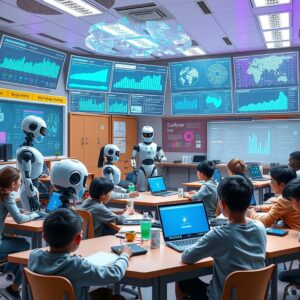
Learning analytics, a field that harnesses data to improve educational outcomes, is another area where AI is making a profound impact. In blended learning environments, AI-driven analytics can track student progress across both in-person and online components, providing educators with actionable insights. For example, if a student consistently struggles with a particular concept during online modules but excels in classroom discussions, the system can flag this discrepancy and suggest alternative teaching strategies. This data-driven approach enables educators to intervene early, preventing small gaps from becoming significant obstacles to learning.
Fostering Inclusive and Equitable Education
One of the most promising aspects of AI-enhanced blended learning is its potential to bridge educational inequities. Students from underserved communities often face barriers such as limited access to resources, language differences, or learning disabilities. AI can help level the playing field by providing adaptive tools that cater to these diverse needs. For instance, speech-to-text and text-to-speech technologies can support students with dyslexia or those learning English as a second language. Similarly, AI-powered translation tools can make educational content accessible to non-native speakers, ensuring that language is no longer a barrier to learning. By creating more inclusive environments, AI and blended learning are helping to democratize education and unlock opportunities for all students.
The Future of Interdisciplinary and Experiential Learning
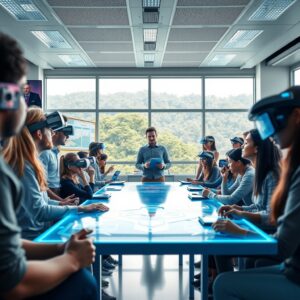
As the boundaries between disciplines continue to blur, AI-enhanced blended learning is paving the way for more interdisciplinary and experiential educational experiences. Imagine a high school science class where students use AI-driven simulations to explore the intersection of biology and environmental science. They might analyze real-world data on climate change, collaborate with peers in a virtual lab, and present their findings using AI-generated visualizations. Such experiences not only make learning more engaging but also prepare students for the complex, interconnected challenges they will face in the future.
Gamification and Engagement
Gamification, the integration of game-like elements into learning, is another area where AI is transforming blended learning. By incorporating features such as badges, leaderboards, and interactive challenges, AI-powered platforms can make learning more engaging and motivating. For example, a history class might use a gamified AI tool to simulate historical events, allowing students to