
The Power of AI-Driven Interdisciplinary Learning: Preparing Students for a Complex World
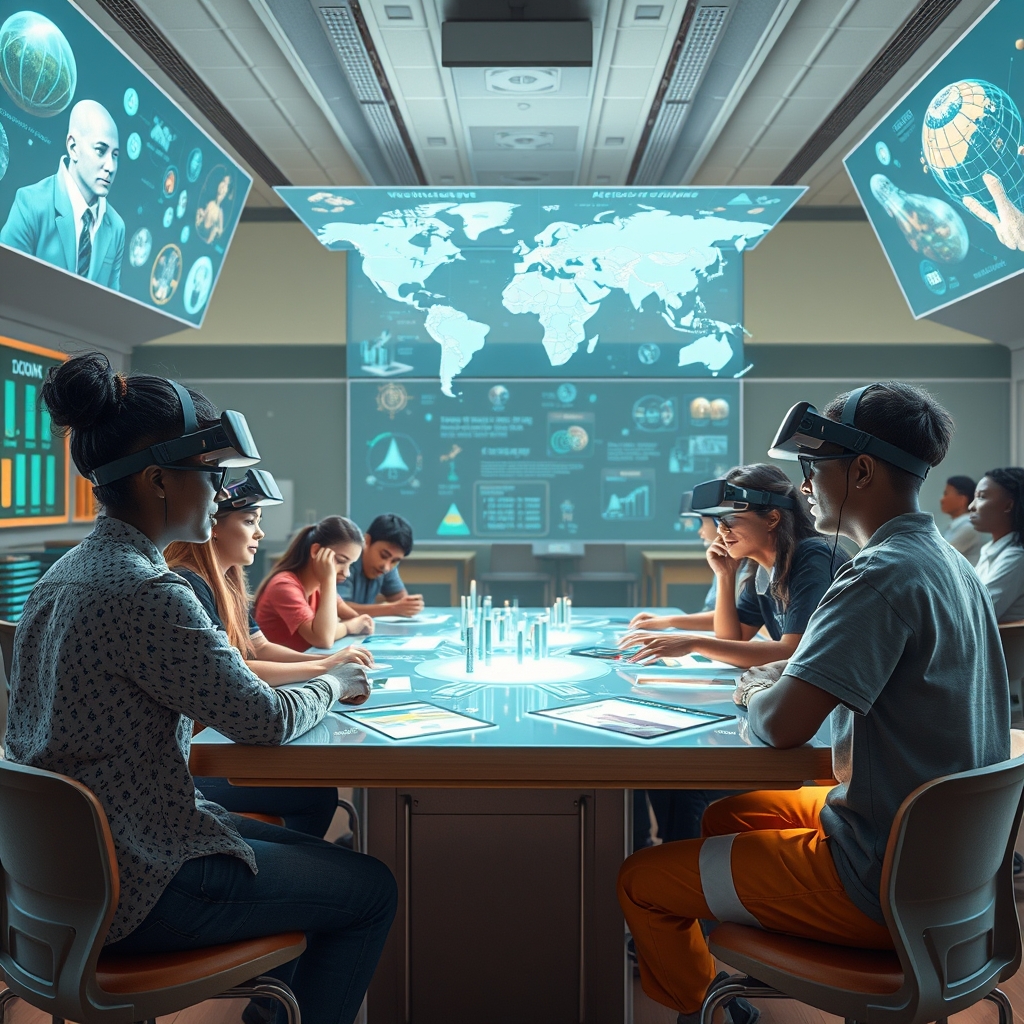
Education is no longer confined to the rigid boundaries of traditional subjects. As the world grows increasingly interconnected, the demand for learners who can navigate complexity, synthesize diverse perspectives, and solve multifaceted problems has never been greater. Artificial intelligence is emerging as a transformative force in this shift, enabling interdisciplinary learning to flourish in ways that were once unimaginable. By breaking down silos between disciplines, AI-driven education is equipping students with the skills they need to thrive in an era defined by rapid change and global challenges.
The Rise of Interdisciplinary Learning in the Digital Age
Interdisciplinary learning is not a new concept, but its implementation has often been hindered by logistical challenges—curriculum constraints, teacher specialization, and the sheer difficulty of integrating multiple subjects into a cohesive learning experience. However, AI is dismantling these barriers by providing tools that dynamically connect ideas, adapt to individual learning styles, and foster collaboration across disciplines. Platforms powered by generative AI can curate content from history, science, literature, and technology, weaving them into a single narrative that resonates with students on a deeper level.
For example, a lesson on climate change might integrate data science to analyze environmental trends, ethics to discuss policy implications, and creative writing to craft persuasive narratives about sustainability. AI can personalize this experience, ensuring that each student engages with the material in a way that aligns with their strengths and interests. This approach not only makes learning more engaging but also mirrors the real-world problems students will encounter outside the classroom, where solutions rarely fit neatly into one discipline.
How AI Enhances Collaboration and Critical Thinking
One of the most significant advantages of AI in interdisciplinary learning is its ability to facilitate collaboration. Intelligent systems can group students based on complementary skills, assign roles in project-based learning scenarios, and even simulate real-world challenges that require input from multiple fields. For instance, an AI-driven simulation might task students with designing a smart city, requiring knowledge of engineering, economics, environmental science, and urban planning. As students work together, AI can provide real-time feedback, suggest resources, and adapt the difficulty of the task to keep them challenged but not overwhelmed.
Moreover, AI fosters critical thinking by encouraging students to question assumptions, evaluate evidence, and consider alternative perspectives. In an interdisciplinary context, this means analyzing how different fields approach the same problem and identifying biases or gaps in knowledge. For example, a student studying the ethics of artificial intelligence might explore philosophical debates about autonomy, legal frameworks around liability, and technological limitations of current AI systems. By synthesizing these perspectives, learners develop a more nuanced understanding of complex issues—a skill that is invaluable in both academic and professional settings.
The Role of Learning Analytics in Interdisciplinary Education
Learning analytics play a crucial role in making interdisciplinary learning more effective. By tracking how students engage with cross-disciplinary content, AI can identify patterns in their learning behaviors, pinpoint areas where they struggle, and recommend targeted interventions. For instance, if a student excels in scientific reasoning but struggles with historical context, the system can adjust the curriculum to provide additional support in that area while continuing to challenge them in others.
These analytics also help educators refine their teaching strategies. By analyzing data on how students interact with interdisciplinary materials, teachers can identify which connections between subjects resonate most and which may need further clarification. This data-driven approach ensures that interdisciplinary learning is not just a buzzword but a meaningful, measurable experience that prepares students for the complexities of the modern world.
Bridging Gaps with Inclusive and Equitable Interdisciplinary Learning
While interdisciplinary learning holds immense promise, its success hinges on ensuring that all students have access to these opportunities. Educational equity must be at the forefront of AI-driven interdisciplinary education to prevent it from becoming another privilege reserved for well-resourced schools. AI can help bridge these gaps by providing scalable, adaptable learning experiences that cater to diverse needs. For example, AI-powered translation tools can make interdisciplinary content accessible to non-native speakers, while adaptive learning platforms can adjust the difficulty of materials to suit students with varying levels of prior knowledge.
Furthermore, AI can help democratize interdisciplinary learning by making high-quality resources available to students in underserved communities. Open educational platforms powered by AI can curate free or low-cost interdisciplinary courses, ensuring that students from all backgrounds have the opportunity to explore connections between subjects. This not only levels the playing field but also fosters a more inclusive learning environment where diverse perspectives are celebrated and integrated into the curriculum.
The Future of Interdisciplinary Learning: AI as a Catalyst for Lifelong Curiosity
The ultimate goal of interdisciplinary learning is not just to prepare students for exams but to instill a lifelong love of learning. AI can act as a catalyst for this by making education more dynamic, relevant, and personalized. Imagine a world where students no longer see subjects as isolated silos but as interconnected threads in a vast tapestry of knowledge. AI can help them navigate this tapestry, guiding them toward discoveries that spark their curiosity and inspire them to explore further.
As AI continues to evolve, so too will the possibilities for interdisciplinary learning. Future advancements may include virtual reality simulations that immerse students in historical events while teaching them scientific principles, or AI tutors that help students design their own interdisciplinary research projects. The potential is limitless, but the core principle remains the same: education should empower students to think critically, solve problems creatively, and connect ideas across disciplines. In a world that grows more complex by the day, these skills are not just desirable—they are essential. And with AI as a partner in the journey, the future of interdisciplinary learning looks brighter than ever.



