
The Silent Revolution: How Generative AI and Digital Literacy Are Redefining Lifelong Learning
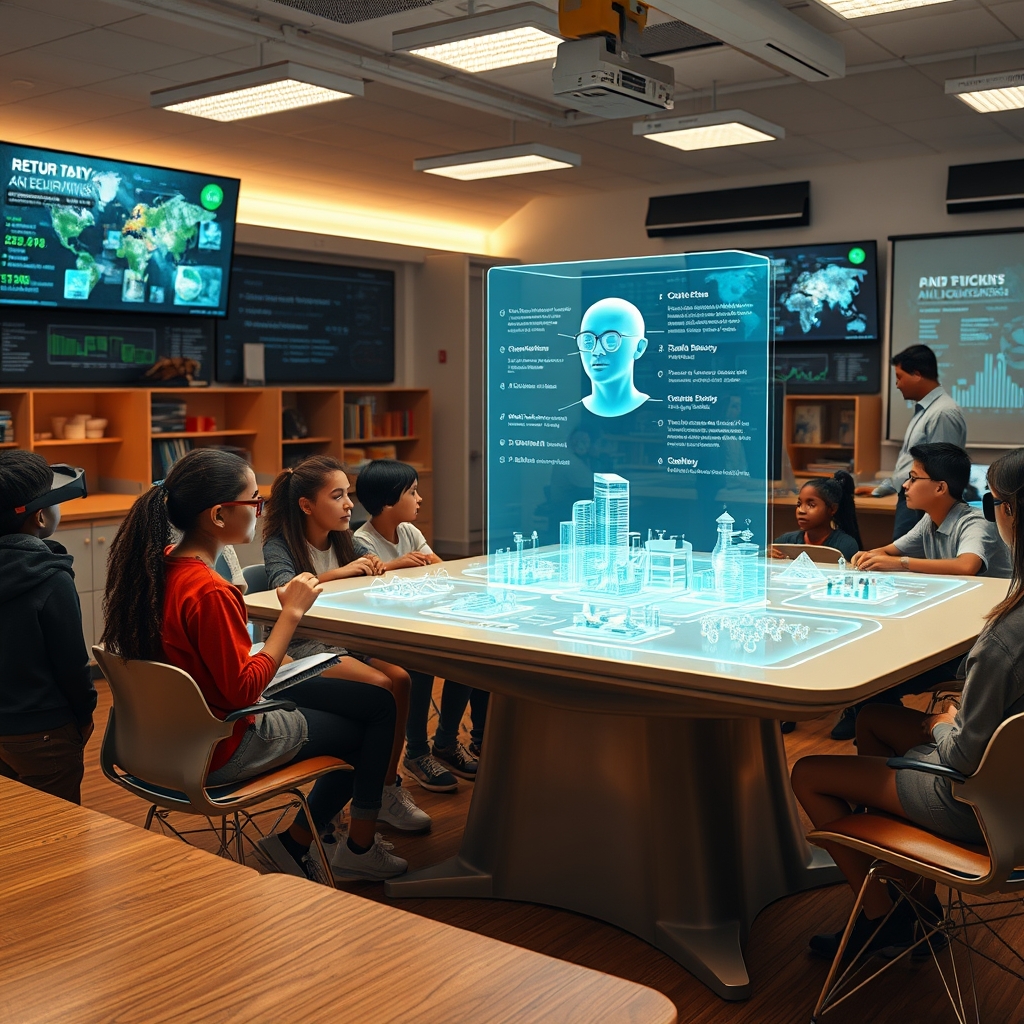
The modern educational landscape is undergoing a transformation so profound that its full implications are only beginning to surface. At the heart of this shift lies the convergence of generative artificial intelligence and digital literacy, two forces that are not only reshaping how knowledge is acquired but also redefining who has access to it. Unlike traditional models that relied on static curricula and one-size-fits-all instruction, today’s learners are navigating a dynamic ecosystem where adaptability, creativity, and critical engagement with technology are paramount. This evolution is not merely about integrating new tools into classrooms; it is about fundamentally altering the relationship between learners, educators, and the very concept of education itself.
The Rise of Generative AI in Education
Generative AI, with its ability to create content, simulate conversations, and even design personalized learning experiences, is emerging as a game-changer in education. Tools like large language models and AI-driven tutoring systems are enabling learners to engage with material in ways that were previously unimaginable. For instance, a student struggling with a complex math problem can now receive step-by-step explanations tailored to their specific misconceptions, while a history enthusiast can explore interactive simulations of historical events, complete with AI-generated dialogues and scenarios. These tools do more than just provide answers—they foster a deeper understanding by allowing learners to experiment, ask questions, and receive instant feedback.
However, the integration of generative AI into education is not without its challenges. Educators must grapple with questions about academic integrity, the potential for over-reliance on AI, and the need to ensure that these tools are used to enhance, rather than replace, human interaction. The key lies in striking a balance: leveraging AI to handle repetitive tasks, such as grading or generating practice problems, while freeing up educators to focus on mentorship, critical thinking, and fostering a love of learning. When used thoughtfully, generative AI can act as a catalyst for creativity, enabling students to explore ideas, collaborate on projects, and develop skills that are essential for the future workforce.
Digital Literacy: The New Foundation of Learning
As generative AI becomes more embedded in educational practices, digital literacy is evolving from a supplementary skill to a fundamental requirement. Digital literacy is no longer just about knowing how to use a computer or navigate the internet; it encompasses the ability to critically evaluate information, understand the ethical implications of technology, and leverage digital tools to solve real-world problems. In an era where misinformation can spread rapidly and AI-generated content blurs the line between fact and fiction, these skills are more important than ever.
Educational institutions are increasingly recognizing the need to integrate digital literacy into their curricula, often through interdisciplinary approaches. For example, a science class might incorporate lessons on how to verify the credibility of sources when researching climate change, while a literature course could explore the ethical considerations of using AI to generate creative writing. By embedding digital literacy into various subjects, educators can help students develop a holistic understanding of how technology intersects with their lives, preparing them to navigate an increasingly digital world with confidence and discernment.
The Role of Lifelong Learning in an AI-Driven World
The rapid pace of technological advancement means that the skills and knowledge acquired in formal education may quickly become outdated. Lifelong learning, once considered a luxury, is now a necessity. The ability to continuously adapt, upskill, and reskill is critical in a world where AI and automation are transforming industries at an unprecedented rate. Online degree programs, microlearning modules, and gamified learning platforms are making it easier than ever for individuals to pursue education on their own terms, whether they are seeking to advance their careers, explore new interests, or simply stay relevant in their fields.
Generative AI is playing a pivotal role in this shift by making learning more accessible and personalized. Intelligent tutoring systems can adapt to an individual’s learning style and pace, while AI-driven platforms can curate content based on their interests and goals. For example, a professional looking to transition into a new field can use AI-powered tools to identify skill gaps, recommend relevant courses, and even generate personalized study plans. This level of customization not only makes learning more efficient but also more engaging, as individuals can focus on what truly matters to them.
Educational Equity in the Digital Age
While the potential of generative AI and digital literacy to transform education is immense, it is crucial to address the digital divide that threatens to leave some learners behind. Access to technology, reliable internet, and digital skills training is not evenly distributed, and without intentional efforts to bridge these gaps, the benefits of AI-driven education will remain out of reach for many. Inclusive education in the digital age requires more than just providing devices; it demands a commitment to ensuring that all learners, regardless of their background or circumstances, have the opportunity to develop the skills they need to thrive.
Initiatives such as community-based digital literacy programs, subsidized internet access, and partnerships between schools and tech companies are steps in the right direction. Additionally, educators must be mindful of designing inclusive learning experiences that accommodate diverse needs, whether through adaptive technologies, multilingual content, or culturally relevant materials. By prioritizing equity, we can ensure that the silent revolution in education is not just a privilege for the few but a transformative force for all.
The Intersection of Experiential and Interdisciplinary Learning
One of the most exciting developments in modern education is the growing emphasis on experiential and interdisciplinary learning. These approaches recognize that real-world problems rarely fit neatly into a single subject area and that the most meaningful learning often occurs when students can apply their knowledge in practical, hands-on ways. Generative AI is amplifying this trend by enabling the creation of immersive, interactive learning experiences that blur the lines between disciplines. For example, a project-based learning activity might task students with designing a sustainable city, requiring them to draw on concepts from science, engineering, economics, and social studies.
AI-powered tools can enhance these experiences by providing real-time data, generating simulations, and even facilitating collaboration among students from different parts of the world. For instance, a group of students working on a global health project could use AI to analyze data from multiple countries, simulate the spread of a disease, and develop intervention strategies. These kinds of experiences not only deepen understanding but also foster critical thinking, creativity, and teamwork—skills that are essential for success in the 21st century.
The fusion of generative AI and digital literacy is not just changing how we learn; it is redefining what it means to be educated in the first place. As technology continues to evolve, so too must our approach to education. The challenge—and the opportunity—lies in harnessing these tools to create learning experiences that are not only effective but also equitable, engaging, and empowering. In this silent revolution, the true measure of success will not be the sophistication of the technology we use, but the depth of the learning it enables and the lives it transforms.



