
The Hidden Power of Remedial Classes: Turning Struggles into Strengths
Education is often seen as a one-size-fits-all journey, but the reality is far more nuanced. For many students, traditional classroom settings may not provide the individualized attention or pacing needed to thrive. This is where remedial classes step in—not as a last resort, but as a strategic tool to bridge gaps, reinforce foundational skills, and unlock potential that might otherwise remain untapped. Far from being a sign of failure, these classes can be the catalyst that transforms academic struggles into strengths.
The Misunderstood Role of Remedial Education
Remedial classes are frequently misunderstood. They are not merely a repetition of material already covered in school; instead, they offer a tailored approach to learning that addresses specific weaknesses. Whether it’s mastering basic arithmetic, improving reading comprehension, or grasping complex scientific concepts, these classes provide the time and space for students to engage with material at their own pace. The stigma attached to remedial education often overshadows its true purpose: to empower students with the confidence and skills they need to succeed in more advanced coursework.
Research has shown that students who participate in remedial programs often experience significant improvements in their academic performance. A study by the National Bureau of Economic Research found that targeted remedial instruction can lead to higher test scores and increased likelihood of graduating from high school. These classes are not just about catching up—they’re about building a stronger, more resilient foundation for future learning.
How Remedial Classes Complement Other Learning Opportunities
Remedial education doesn’t exist in isolation. It often works in tandem with other forms of supplementary education, such as academic tutoring, after-school programs, and online learning platforms. For example, a student struggling with algebra might attend a remedial math class during the school day while also receiving one-on-one tutoring in the evenings. This layered approach ensures that learning is reinforced through multiple touchpoints, increasing the likelihood of retention and mastery.
Moreover, remedial classes can serve as a gateway to more advanced opportunities. Students who build confidence in foundational subjects may later explore enrichment programs, advanced placement courses, or even dual enrollment options. The skills developed in remedial settings—such as critical thinking, problem-solving, and perseverance—are transferable to any academic or professional pursuit. In this way, remedial education acts as a stepping stone rather than a roadblock.
The Role of Technology in Modern Remedial Learning
The rise of digital learning platforms has revolutionized the way remedial education is delivered. Online tutoring, interactive apps, and adaptive learning software allow students to receive personalized instruction outside the traditional classroom. These tools can identify specific areas of weakness and tailor lessons to address them, making remedial learning more efficient and engaging. For instance, platforms like Khan Academy or Duolingo offer targeted exercises that adapt to a student’s progress, ensuring that they are neither bored by material that’s too easy nor overwhelmed by content that’s too difficult.
Technology also makes remedial education more accessible. Students in remote or underserved areas can benefit from online resources that might not be available locally. Additionally, digital platforms often provide instant feedback, allowing students to track their progress in real time. This immediacy can be incredibly motivating, as it highlights both achievements and areas that still need work.
Peer Tutoring: A Collaborative Approach to Remedial Learning
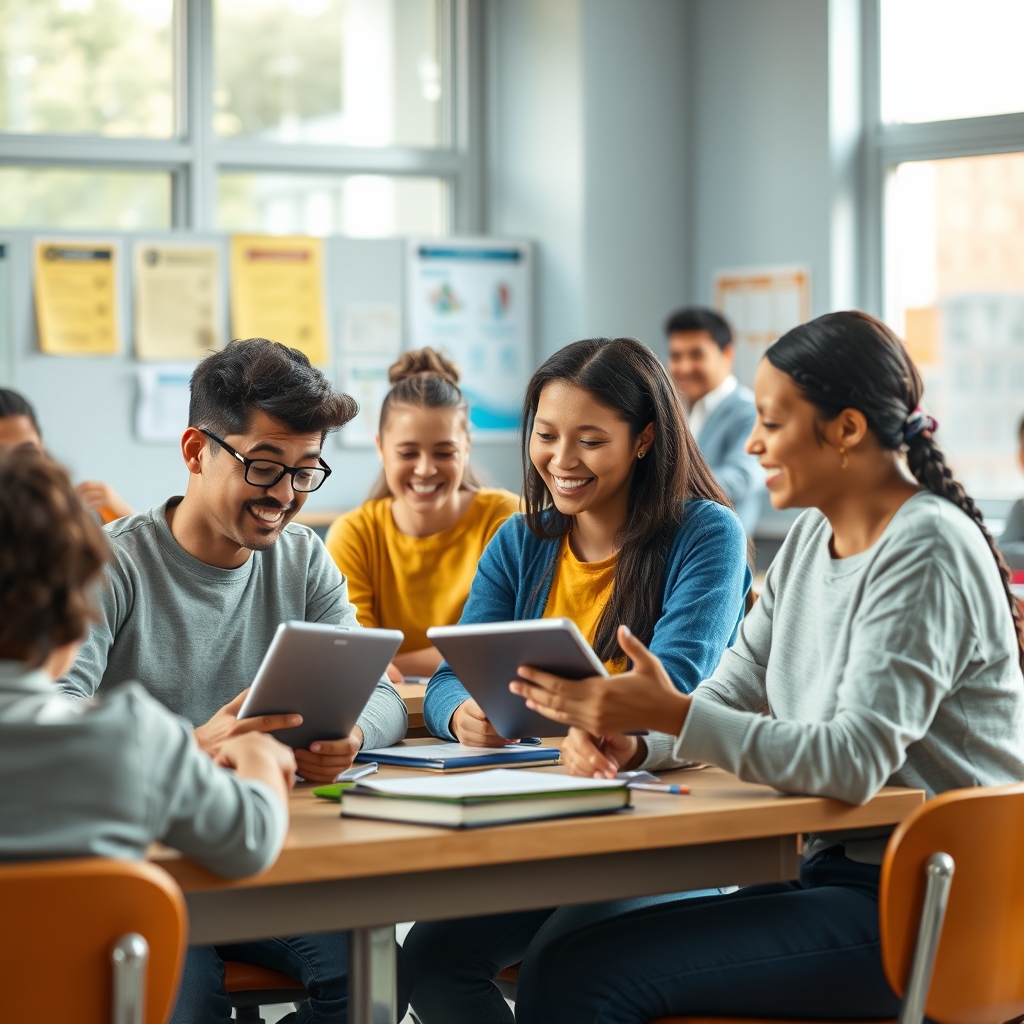
Another effective strategy in remedial education is peer tutoring. This approach leverages the power of collaboration, where students who have mastered a subject help those who are still struggling. Peer tutoring is beneficial for both the tutor and the tutee: the tutor reinforces their own understanding by teaching the material, while the tutee benefits from a relatable and often more approachable source of support. This dynamic can reduce the anxiety that some students feel when seeking help from teachers or adults, making them more open to learning.
Schools that implement peer tutoring programs often see improvements in academic performance and student engagement. For example, a study published in the Journal of Educational Psychology found that students who participated in peer tutoring showed greater gains in math and reading compared to those who did not. The social aspect of peer tutoring also fosters a sense of community and shared purpose, which can be particularly valuable for students who feel isolated in their academic struggles.
Beyond Academics: The Long-Term Benefits of Remedial Classes
While the immediate goal of remedial classes is to improve academic performance, their benefits extend far beyond the classroom. Students who participate in these programs often develop greater self-esteem, resilience, and a growth mindset—the belief that their abilities can be developed through dedication and hard work. These qualities are invaluable in both academic and professional settings, where challenges are inevitable and adaptability is key.
Remedial education also plays a crucial role in leveling the playing field for students from diverse backgrounds. For those who may not have had access to early educational resources or who face language barriers, remedial classes can provide the support needed to compete on equal footing with their peers. In this sense, remedial education is not just about individual success; it’s about creating a more equitable and inclusive educational system.
As the landscape of education continues to evolve, so too does the role of remedial classes. No longer viewed as a remedial measure for struggling students, these programs are increasingly recognized as a vital component of a holistic educational experience. They offer a second chance, a fresh start, and a pathway to success for students who might otherwise be left behind. The true power of remedial education lies not in what it fixes, but in what it unlocks—the potential within every learner to grow, adapt, and ultimately thrive.



