
Bridging Gaps and Building Futures: How AI and Blended Learning Are Creating Inclusive Educational Experiences
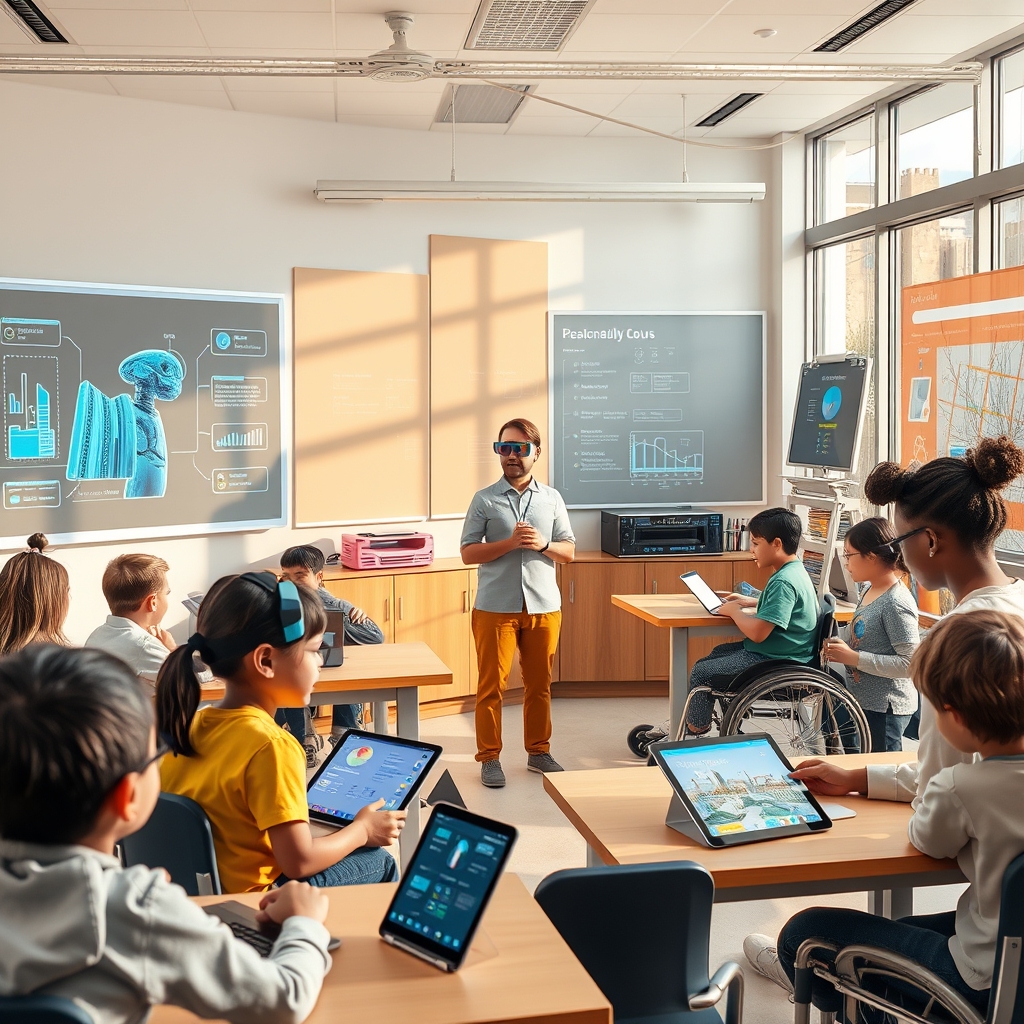
The landscape of education is undergoing a seismic shift, driven by the convergence of artificial intelligence (AI) and innovative pedagogical approaches. As classrooms evolve from traditional brick-and-mortar spaces to dynamic, hybrid environments, the focus is increasingly on creating equitable, engaging, and effective learning experiences for all students. At the heart of this transformation lies the promise of inclusive education, where technology and human-centric design come together to dismantle barriers and unlock potential.
The Power of Personalized Learning in a Digital Age
Personalized learning has long been the holy grail of education, but its implementation has often been constrained by the limitations of time, resources, and one-size-fits-all curricula. Enter AI, a game-changer that is redefining what it means to tailor education to individual needs. Through intelligent tutoring systems and adaptive learning platforms, AI analyzes student performance in real-time, identifying strengths, weaknesses, and learning styles. This data-driven approach enables educators to craft customized learning pathways that meet students where they are, rather than forcing them to conform to a rigid pace or method.
For example, platforms like DreamBox and Khan Academy leverage AI to adjust the difficulty of math problems in real-time, ensuring that students are neither bored by material that is too easy nor overwhelmed by concepts that are too advanced. This level of personalization fosters a sense of agency and confidence in learners, particularly those who may have previously struggled in traditional classroom settings. It also allows teachers to focus on high-value interactions, such as mentoring and facilitating discussions, rather than spending hours grading assignments or preparing differentiated materials.
Blended Learning: The Best of Both Worlds
While AI is a powerful tool, its true potential is unlocked when integrated into a blended learning framework. Blended learning combines face-to-face instruction with online learning experiences, creating a flexible and dynamic environment that caters to diverse learning preferences. This approach is particularly effective in promoting educational equity, as it provides students with multiple entry points to engage with content, whether they thrive in collaborative settings, prefer self-paced study, or require additional support.
In a blended learning model, AI can take on roles that extend beyond content delivery. For instance, generative tools like AI-powered writing assistants or virtual labs can provide students with immediate feedback and opportunities for experimentation. These tools not only enhance digital literacy but also encourage critical thinking by allowing students to explore, iterate, and refine their ideas in a low-stakes environment. Moreover, blended learning can bridge geographical and socioeconomic gaps, making high-quality education accessible to students in remote or underserved communities through online degree programs and hybrid courses.
Fostering Interdisciplinary and Experiential Learning
The integration of AI and blended learning is also paving the way for more interdisciplinary learning experiences. By breaking down the silos between subjects, students can explore real-world problems that require knowledge and skills from multiple domains. For example, a project on climate change might combine elements of science, technology, engineering, and mathematics (STEM) with social studies, ethics, and communication. AI can support this approach by curating resources, generating simulations, or even facilitating virtual collaborations with experts and peers from around the world.
Project-based learning (PBL) and experiential learning are natural extensions of this interdisciplinary mindset. In a PBL classroom, students work on complex, open-ended projects that require them to apply their knowledge to authentic challenges. AI can enhance these experiences by providing tools for data analysis, visualization, or even virtual reality simulations. For instance, students studying urban planning might use AI to model the impact of different design choices on traffic patterns, air quality, or community well-being. These immersive experiences not only deepen understanding but also cultivate skills like problem-solving, collaboration, and creativity.
Data-Driven Insights for Educators and Learners
One of the most transformative aspects of AI in education is its ability to harness learning analytics to inform instruction and improve outcomes. By collecting and analyzing data on student engagement, performance, and behavior, AI can provide educators with actionable insights into what is working—and what isn’t—in their classrooms. For example, learning analytics can identify patterns in student participation, such as which students are disengaging during certain activities or which concepts are causing widespread confusion. Armed with this information, teachers can adjust their strategies, provide targeted interventions, or even redesign their curriculum to better meet the needs of their students.
For learners, AI-powered dashboards can offer personalized feedback and recommendations, helping them track their progress and set goals. This level of transparency empowers students to take ownership of their learning journey, fostering a growth mindset and a commitment to lifelong learning. It also helps to demystify the learning process, making it clear that struggle and failure are not signs of inadequacy but rather opportunities for growth.
Gamification and Microlearning: Making Education Engaging
Engagement is a critical factor in educational success, and AI is enabling new ways to make learning fun and interactive. Gamified learning platforms use game design elements—such as points, badges, leaderboards, and challenges—to motivate students and reinforce concepts. AI can enhance these experiences by dynamically adjusting the difficulty of tasks, providing personalized rewards, or even creating adaptive storylines that respond to student choices. For example, a language-learning app might use AI to generate unique quests based on a student’s proficiency level, ensuring that the content remains challenging yet achievable.
Similarly, microlearning—the practice of breaking down complex topics into bite-sized, easily digestible chunks—is gaining traction as a way to accommodate the fast-paced, attention-scarce world we live in. AI can curate and deliver microlearning modules tailored to individual needs, making it easier for students to fit learning into their busy schedules. Whether it’s a five-minute video on a key historical event or a quick quiz on a scientific concept, microlearning leverages the power of repetition and reinforcement to enhance retention and understanding.
Challenges and Considerations
While the potential of AI and blended learning is undeniable, their implementation is not without challenges. One of the most pressing concerns is ensuring that these technologies are accessible to all students, regardless of their socioeconomic background or abilities. Digital transformation in education must be accompanied by efforts to address the digital divide, such as providing devices and internet access to underserved communities, as well as designing inclusive interfaces that accommodate diverse needs, including those of students with disabilities.
Another consideration is the ethical use of AI in education. As AI systems collect and analyze vast amounts of student data, it is crucial to prioritize privacy, security, and transparency. Educators, policymakers, and technologists must work together to establish clear guidelines and safeguards to protect student information and ensure that AI is used responsibly and equitably. This includes addressing biases in AI algorithms, which can perpetuate existing inequalities if not carefully monitored and corrected.
As we stand on the precipice of a new era in education, the fusion of AI and blended learning offers a beacon of hope for creating more inclusive, engaging, and effective learning experiences. By leveraging technology to personalize instruction, foster interdisciplinary collaboration, and provide data-driven insights, we can empower students to become lifelong learners and critical thinkers, prepared to navigate the complexities of an ever-changing world. The journey is not without its challenges, but with thoughtful implementation and a commitment to equity, the future of education is brighter than ever.



