
How Artificial Intelligence is Revolutionizing Personalized Learning in Modern Education
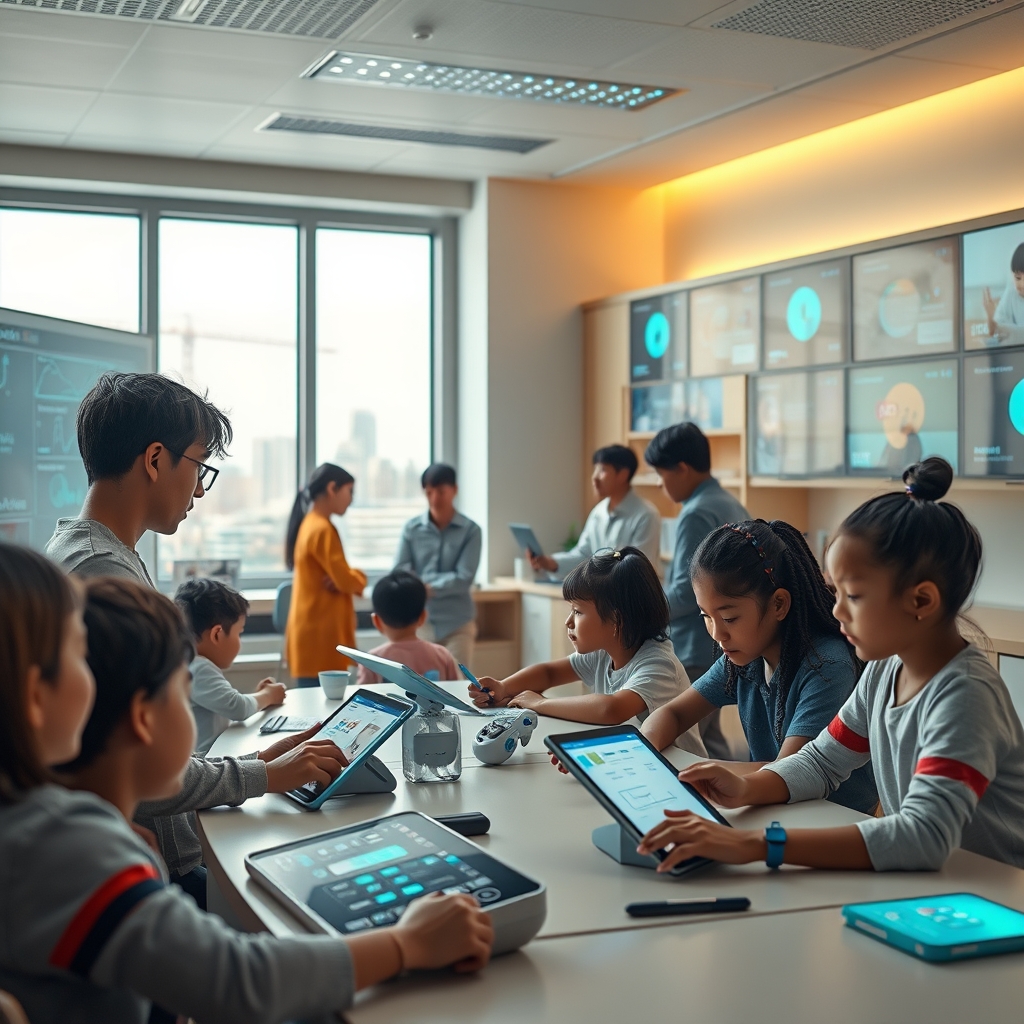
Education is undergoing a profound transformation, driven by the rapid advancement of technology. At the heart of this change is artificial intelligence (AI), which is reshaping how students learn, how teachers instruct, and how educational institutions operate. One of the most significant impacts of AI in education is its ability to enable personalized learning, a method that tailors educational experiences to the unique needs, pace, and interests of each learner. This shift is not just enhancing academic outcomes but also fostering educational equity by bridging gaps that traditional one-size-fits-all approaches often leave unaddressed.
The Rise of Intelligent Tutoring Systems
Among the most promising applications of AI in education are Intelligent Tutoring Systems (ITS). These platforms leverage machine learning and natural language processing to simulate one-on-one tutoring, providing students with immediate feedback, adaptive challenges, and personalized guidance. Unlike conventional classroom settings, where teachers may struggle to address the diverse needs of every student, ITS can identify knowledge gaps in real time and adjust the difficulty of tasks accordingly. For example, platforms like Carnegie Learning and Squirrel AI have demonstrated remarkable success in improving math and science proficiency by offering customized problem sets and step-by-step explanations tailored to each learner’s progress.
What makes ITS particularly powerful is their ability to scale. In classrooms where resources are limited, these systems can provide high-quality, individualized support to students who might otherwise fall behind. This is especially critical in underfunded schools or remote areas, where access to experienced educators is scarce. By democratizing access to personalized instruction, AI is helping to level the playing field and promote inclusive education.
Blended Learning: The Best of Both Worlds
While AI-driven tools are transforming digital learning, they are not replacing traditional education but rather enhancing it through blended learning models. Blended learning combines face-to-face instruction with online, AI-powered resources, creating a hybrid environment that maximizes the strengths of both approaches. For instance, students might attend a lecture in person but then use an AI-based platform to reinforce concepts through interactive exercises, simulations, or gamified quizzes. This flexibility allows learners to engage with material in ways that suit their preferences, whether they thrive in collaborative settings or prefer self-paced study.
Educational institutions are increasingly adopting blended learning to accommodate diverse learning styles and schedules. Universities offering online degree programs and hybrid learning options have seen higher retention rates and student satisfaction, as these models provide the structure of traditional education with the convenience of digital tools. Moreover, AI can analyze student performance data to recommend the optimal balance between in-person and online activities, ensuring that each learner receives the support they need to succeed.
Generative AI and the Future of Content Creation
Another groundbreaking development in AI-driven education is the rise of generative tools. These systems, such as large language models and AI-powered design platforms, can create customized learning materials on demand. For example, a teacher could use generative AI to produce tailored reading passages, practice questions, or even entire lesson plans based on a student’s current level and interests. This not only saves educators time but also ensures that content is relevant and engaging for each learner.
Generative AI is also being used to enhance interdisciplinary learning by creating dynamic, cross-curricular projects. For instance, a student studying environmental science might use an AI tool to generate a scenario involving data analysis, policy writing, and creative storytelling—all within a single project. This approach fosters critical thinking and experiential learning, as students apply knowledge from multiple subjects to solve real-world problems. However, it also raises important questions about digital literacy, as educators must teach students how to critically evaluate AI-generated content and use these tools responsibly.
Learning Analytics: Data-Driven Insights for Educators
Behind the scenes, AI is also empowering educators with learning analytics, a field that uses data to improve teaching and learning outcomes. By analyzing patterns in student behavior—such as time spent on tasks, error rates, and engagement levels—AI can provide teachers with actionable insights into their students’ progress. For example, if an AI system detects that a group of students is struggling with a particular concept, it can alert the teacher and suggest targeted interventions, such as additional practice exercises or small-group discussions.
Learning analytics can also help institutions identify broader trends, such as which teaching methods are most effective or which students are at risk of dropping out. This data-driven approach enables schools to make informed decisions about curriculum design, resource allocation, and student support services. Moreover, it aligns with the growing emphasis on lifelong learning, as professionals can use AI-powered platforms to track their skill development and identify areas for further growth.
Gamified and Microlearning: Making Education Engaging
One of the challenges in modern education is maintaining student engagement, particularly in digital environments. AI is addressing this issue through gamified learning and microlearning, two approaches that make education more interactive and accessible. Gamification incorporates elements of game design—such as points, badges, and leaderboards—into learning activities to motivate students and reinforce concepts. AI can personalize these experiences by adjusting the difficulty of challenges or offering rewards based on individual performance.
Microlearning, on the other hand, breaks down complex topics into bite-sized, easily digestible modules. AI can curate these modules based on a student’s prior knowledge and learning goals, making it ideal for busy professionals or students who prefer to learn in short bursts. Platforms like Duolingo and Khan Academy have successfully integrated these techniques, proving that AI can make learning not only effective but also enjoyable.
Challenges and Ethical Considerations
Despite its transformative potential, the integration of AI in education is not without challenges. One of the most pressing concerns is educational equity. While AI has the power to democratize access to personalized learning, it also risks exacerbating existing inequalities if not implemented thoughtfully. For example, students in low-income communities may lack access to the devices or high-speed internet required to use AI-powered tools effectively. Additionally, biases in AI algorithms—such as those that favor certain demographics or learning styles—can inadvertently disadvantage marginalized groups.
Another ethical consideration is data privacy. AI systems rely on vast amounts of student data to function effectively, raising questions about how this information is collected, stored, and used. Educational institutions must prioritize transparency and security to ensure that students’ privacy is protected. Furthermore, there is a need for ongoing professional development to help educators understand how to use AI tools responsibly and integrate them into their teaching practices effectively.
As AI continues to evolve, its role in education will only grow more significant. The key to harnessing its full potential lies in striking a balance between innovation and inclusivity, ensuring that these technologies serve all learners, not just a privileged few. By embracing AI-driven personalized learning, educators can create more dynamic, engaging, and equitable learning environments that prepare students for the challenges of the future. The journey has just begun, and the possibilities are as limitless as the curiosity of the learners themselves.



