
The Global Classroom: Embracing International Student Mobility for a More Connected World
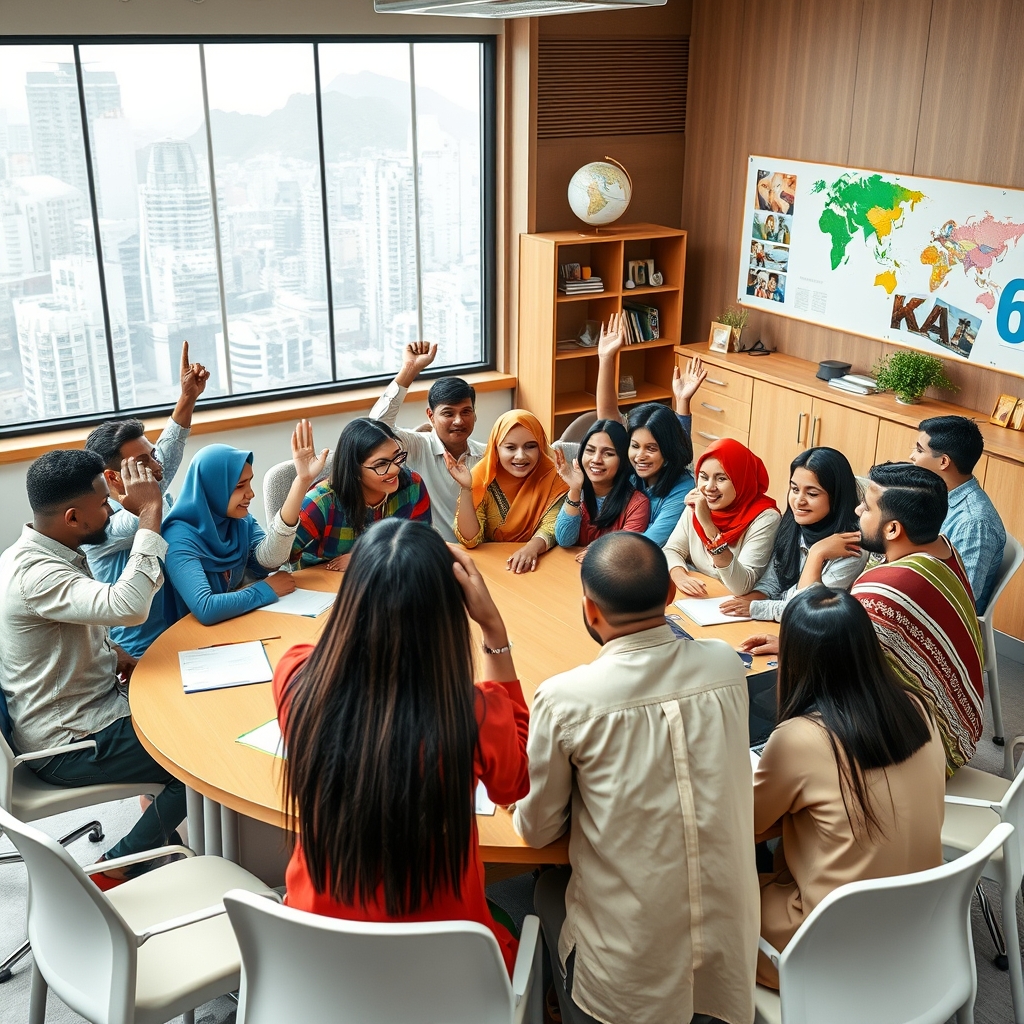
In an increasingly interconnected world, the concept of international student mobility has become a cornerstone of global education. This phenomenon, which involves students from one country studying in another, is not just a trend but a powerful tool for fostering global citizenship, cultural exchange, and personal growth. From the bustling streets of Tokyo to the historic halls of Oxford, students are stepping out of their comfort zones, embracing new cultures, and gaining a global perspective that can shape their future.
Understanding International Student Mobility
International student mobility refers to the movement of students across national borders for the purpose of education. This can range from short-term study abroad programs to long-term semester abroad experiences. The benefits of international student mobility are manifold. It exposes students to diverse cultures, languages, and educational systems, thereby enhancing their intercultural competence and cross-cultural adaptability.
Global Citizenship Education
At the heart of international student mobility lies the concept of global citizenship education. This approach to learning encourages students to understand and appreciate the interconnectedness of the world. By studying in a foreign country, students gain a firsthand understanding of different societal norms, political systems, and economic structures. This knowledge can foster empathy, tolerance, and a sense of global responsibility.
Cultural Exchange Programs
Cultural exchange programs are a key component of international student mobility. These programs facilitate the exchange of students between countries, allowing them to live and study in a foreign environment. The benefits of cultural exchange programs are immense. They promote mutual understanding between cultures, break down stereotypes, and create a more harmonious global community. Moreover, they provide students with a unique opportunity to develop their language skills and gain a deeper appreciation for other languages.
Study Abroad Programs: A Gateway to Global Learning
Study abroad programs are a popular form of international student mobility. These programs allow students to spend a semester or a year studying in a foreign country. The Erasmus Plus Scholarship, a popular EU-funded program, offers tuition waivers and other financial benefits to students participating in these programs. This makes study abroad more accessible to students from all backgrounds.
Host Family Placement
One of the most enriching aspects of study abroad programs is the opportunity to live with a host family. This not only provides students with a more immersive cultural experience but also helps them develop practical language skills. Host families often offer students a glimpse into the local way of life, from cooking traditional meals to participating in local festivals. This can foster a deeper connection with the local culture and community.
Cultural Immersion
Cultural immersion is a key aspect of study abroad programs. It involves students fully engaging with the local culture, from attending local events to participating in community service projects. This can help students develop a more nuanced understanding of the local culture and its complexities. Moreover, it can foster a sense of belonging and identity, which can be beneficial for students’ personal growth and development.
Language Exchange Programs: Breaking Down Language Barriers
Language exchange programs are another form of international student mobility. These programs allow students to study a foreign language in a foreign country. The benefits of language exchange programs are immense. They provide students with a unique opportunity to develop their language skills, gain a deeper understanding of the local culture, and make new friends from around the world.
Intercultural Competence
Intercultural competence is a key skill that students can develop through language exchange programs. This involves the ability to understand and appreciate different cultures, communicate effectively across cultural boundaries, and adapt to new cultural situations. Developing intercultural competence can be beneficial for students’ personal growth and development, as well as their future careers.
Educational Tourism
Educational tourism is a form of international student mobility that involves students traveling to a foreign country for the purpose of education and cultural exploration. This can range from short-term study tours to long-term educational travel experiences. The benefits of educational tourism are immense. It allows students to gain a firsthand understanding of a foreign culture, develop their language skills, and make new friends from around the world.
In conclusion, international student mobility is a powerful tool for fostering global citizenship, cultural exchange, and personal growth. From study abroad programs to language exchange programs, there are numerous opportunities for students to step out of their comfort zones, embrace new cultures, and gain a global perspective that can shape their future. As we continue to navigate the complexities of an increasingly interconnected world, the importance of international student mobility cannot be overstated. It is a journey that can transform lives, broaden horizons, and create a more connected and understanding global community.



